x

Meie kunstnike poolt tellimusel valmistatud käsitsi maalitud õli-kainaste teos teie soovitud suuruses ja raamis. ( Osta print Osta pilt)





























Vali meie eelmääratud suurused, mis vastavad teose algupärastele proportsioonidele.

Sa võite sisestada oma mõõtmed konkreetse raami või ruumi sobivuse tagamiseks. Kui teie valitud suurus ei vasta originaalpildi proportsioonidele, siis kärvime kunstiteost või laiendame maali täiendavate käsitsi maalitud elementidega. Enne tootmise algust saadetakse teile heakskiitmiseks digitaalne eelvaade.
Palun pidage meeles, et ekraanil kuvatav eelvaade ei kajasta tegelikku kärpimist või laiendamist. Ainult eelvaade näitab täpselt lõplikku kompositsiooni.
Kuigi on saadaval kohandatud suurused, soovitame originaalproportsioonide säilimiseks valida mõõdud eelmääratletud nimekirjast.
Maailmline tarne 3–4 nädala jooksul tavalise 5 nädala asemel. (21 august). Kvaliteedis kompromisse ei tehta.


La revue blanche
Reproduktsiooni suurus
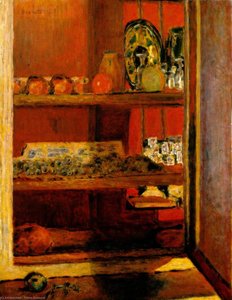
Pierre Bonnard's “La Revue blanche,” created in 1894, isn’t merely a depiction of two women; it’s an embodiment of the Nabis aesthetic—a deliberate rejection of academic formalism and a fervent embrace of sensory experience. Produced by Edward Ancourt for *La Revue blanche*, a Parisian periodical championing avant-garde literature and art, this lithograph exemplifies Bonnard's signature style: a masterful blend of muted hues and flattened perspective that seeks to distill the essence of everyday life.
Bonnard’s artistic sensibilities were profoundly shaped by Japonisme—the fascination with Japanese art and culture sweeping through Europe at the time. Like many Nabis artists, he drew inspiration from *ukiyo-e* prints, particularly their use of bold outlines and simplified forms to convey emotion and atmosphere. This influence is palpable in “La Revue blanche,” where Bonnard employs a similar technique to create a sense of stillness and contemplation amidst the bustling Parisian backdrop.
The choice of lithography as Bonnard’s primary print medium speaks volumes about his artistic philosophy. Lithography, unlike etching or engraving, allowed for multiple impressions from a single stone, making it accessible to a wider audience and aligning perfectly with the Nabis desire to democratize art. Furthermore, Bonnard skillfully exploited the capabilities of color lithography, achieving vibrant hues and nuanced tonal gradations that would have been impossible with traditional printmaking methods.
Beyond its formal innovations, “La Revue blanche” resonates with subtle symbolic undertones. The two women seated together—one holding a book, the other gazing intently—represent intellectual engagement and quiet contemplation within the domestic sphere. Bonnard’s deliberate use of color—primarily pale yellows and blues—creates an atmosphere of serenity and warmth, inviting viewers to immerse themselves in the beauty of ordinary moments.
“La Revue blanche” stands as a testament to Bonnard's enduring contribution to Post-Impressionism. His unwavering commitment to capturing light and color with unparalleled sensitivity continues to inspire artists and collectors alike. As evidenced by reproductions available at Most-Famous-Paintings.com, this iconic artwork remains accessible to anyone seeking to experience the profound emotional impact of Bonnard’s masterful vision.


1867 - 1947 , Prantsusmaa

Discover Most-Famous-Paintings.com's premium art poster prints. Featuring 12-color archival pigments for vivid color fidelity and versatile sizing for bespoke decor. Expertly crafted museum-quality reproductions designed for discerning collectors and professional decorators.


Püsige kursis viimaste kunstiuudistega, eksklusiivsete pakkumistega ja sisustamisideetega.
Kirjeldage meile oma projekti ja meie kunstieksperdid pakuvad teile 3 isikupärast kunstiettepanekut.
Laske meil koostada just teile mõeldud 3 valikut – tasuta!


 Eelvaade
 Saada
Saada Jaga
Jaga
 Teave teose kohta

 Laadi alla
 Sarnased teosed
 Röntgenuuring
 Slaidietendus

 Loe lähemalt







 Klaasivalik on saadaval ainult suuruses kuni 110 cm