x

 Acrylic On CanvasWallArtPop Art
 1990
1990 145.0 x 182.0 cm
Muuseumikvaliteediga giclée- või kangasprint kiire tootmisega ja paindlikud viimistlusvõimalused. ( Switch to hand made Painting Switch to Image)





























Vali meie eelmääratud suurused, mis vastavad teose algupärastele proportsioonidele.

Saate sisestada oma mõõdud, et need sobiks konkreetse raami või ruumi sisse. Kui valitud suurus ei vasta originaalteose proportsioonidele, lõigame teose ära või laiendame pilti peegeldatud või ühtlase servaga. Enne tootmisprotsessi algust saadetakse Teie kinnitamiseks digitaalne näidis.
Palun märka, et ekraanil kuvatav eelvaade ei kajasta tegelikku lõigamist või laiendamist. Ainult näidis kujutab täpselt lõplikku kompositsiooni.
Kuigi erimõõdu on saadaval, soovitame originaaproportsioonide säilitamiseks valida mõõt ette määratud nimekirjast.
Ülemaailmne tarne () 2 nädala jooksul, tavalise 4/5 nädala asemel. (29 juuli)


The den
Reproduktsiooni suurus
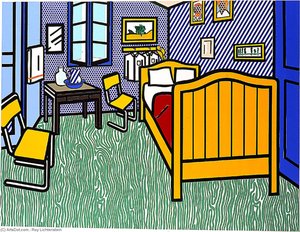
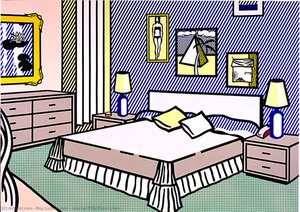
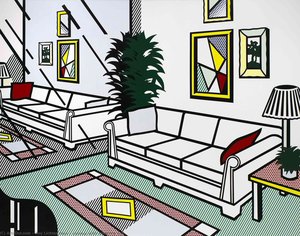
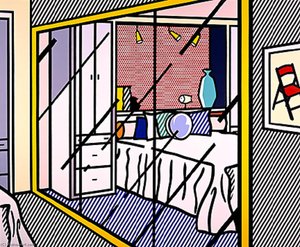
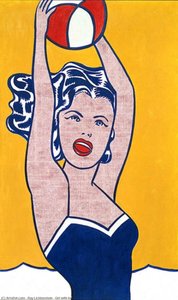
Roy Lichtenstein's "The Den," completed in 1990, isn’t merely a depiction of an interior living room; it’s a masterful distillation of Pop Art principles—a deliberate provocation against the perceived seriousness of traditional fine art. Produced by Gemini G.E.L., this woodcut and screenprint embodies Lichtenstein's signature aesthetic: bold color blocks juxtaposed with meticulously crafted Ben-Day dots, creating an illusion of texture and depth that belies its deceptively simple composition.
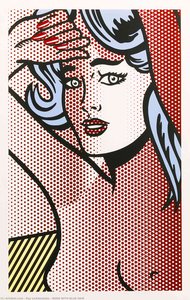
The color palette—primarily reds, yellows, blues, black, and white—is aggressively reductive, mirroring the limited color palettes found in commercial printing. Lichtenstein’s technique relies heavily on Ben-Day dots – tiny colored squares meticulously applied to create shading and texture. This method mimics the halftone printing process used in comic books, instantly conveying a sense of immediacy and artificiality. The resulting surface is strikingly graphic, prioritizing visual impact over nuanced tonal variation.
"The Den" emerged during Lichtenstein’s peak period as a Pop Artist, responding to the cultural anxieties of the 1960s and ’70s. He deliberately adopted the conventions of mass media—comic strips and advertising—to critique consumer culture and challenge artistic elitism. By flattening perspective and simplifying forms, Lichtenstein aimed to dismantle illusionistic painting techniques and engage viewers in a dialogue about representation itself. The artwork serves as a testament to Lichtenstein's unwavering commitment to pushing boundaries within the art world.
Despite its apparent simplicity, “The Den” carries significant symbolic weight. The vase of flowers represents beauty and fragility—themes frequently explored in Romantic art—but presented within a deliberately stylized framework. Lichtenstein’s use of bold colors and geometric shapes evokes the energy and dynamism of Pop Art, conveying a sense of playful detachment from emotional expression. Ultimately, “The Den” invites contemplation on how we perceive reality and celebrates the transformative power of artistic innovation.


1923 - 1997 , USA
Avastage Roy Lichtensteini 25 parimat teost! Sukelduge popkunsti maailma, õppige maalidest ja tehnikatest. Kvaliteetsed reproduktsioonid ja interjööridisaini ideed Most-Famous-Paintings.com-is. Vaadake kollektsiooni!

Avastage Metropolitani muuseumi 25 kõige ikoonilisemat kunstiteost! Sukeldume maalikunstnike maailma, impressionismi võlu ja ajalooliste värvikombinatsioonide sisse. Leidke täiuslik seina kaunistus Most-Famous-Paintings'is – kvaliteetsed reproduktsioonid ja sisustus ideed. Avastage kogu kollektsioon online!
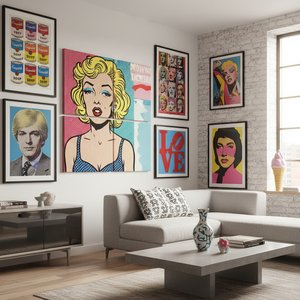
Avastage 10 popkunstistiili ikoonilist teost Andy Warholist Roy Lichtensteini. Lugege kunstiteoste lugusid, tehnikat ja ajaloogu. Leidke oma seina jaoks täiuslik maali Most-Famous-Paintings.com-is! Vaadake kollektsiooni.

Avastage James Abbott McNeill Whistler'i 25 võrratut meistriteost! Sukelduge esteetilisse kunstimaailma, õppige tema maalitehnikatest ja leidke täiuslik seina kaunistus Most-Famous-Paintings.com-ist. Kunstikollektsioonid & reprodutsioonid.
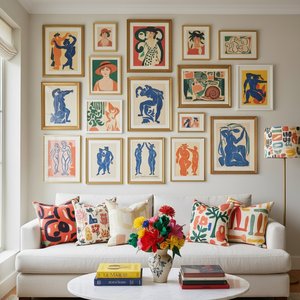
Avastage Henri Matisse 25 ikoonilist teost! Sukelduge värviküllase Fauvismi maailma, modernse kunsti ajaloosse ja inspireerige oma interjööri. Kvaliteetsed kunstireprodutsioonid Most-Famous-Paintings.com-is. Avasta kogu kollektsioon online!


Püsige kursis viimaste kunstiuudistega, eksklusiivsete pakkumistega ja sisustamisideetega.
Kirjeldage meile oma projekti ja meie kunstieksperdid pakuvad teile 3 isikupärast kunstiettepanekut.
Laske meil koostada just teile mõeldud 3 valikut – tasuta!


 Preview
 Saada
Saada Jaga
Jaga
 Teave teose kohta

 Laadi alla
 Sarnased teosed
 Röntgenuuring
 Slaidietendus
 Loe lähemalt







 Klaasivalik on saadaval ainult suuruses kuni 110 cm