


x


 Preview
 Tellimaks maali Osta digipilt
 Saada
Saada
 Teave teose kohta
 Lisa lemmikutesse
 Laadi alla
 Sarnased teosed
 Röntgenuuring
 Slaidietendus
Muuseumikvaliteediga giclée- või kangasprint kiire tootmisega ja paindlikud viimistlusvõimalused.





























Vali meie eelmääratud suurused, mis vastavad teose algupärastele proportsioonidele.

Saate sisestada oma mõõdud, et need sobiks konkreetse raami või ruumi sisse. Kui valitud suurus ei vasta originaalteose proportsioonidele, lõigame teose ära või laiendame pilti peegeldatud või ühtlase servaga. Enne tootmisprotsessi algust saadetakse Teie kinnitamiseks digitaalne näidis.
Palun märka, et ekraanil kuvatav eelvaade ei kajasta tegelikku lõigamist või laiendamist. Ainult näidis kujutab täpselt lõplikku kompositsiooni.
Kuigi erimõõdu on saadaval, soovitame originaaproportsioonide säilitamiseks valida mõõt ette määratud nimekirjast.
Ülemaailmne tarne () 2 nädala jooksul, tavalise 4/5 nädala asemel. (28 juuli)


Vanavanema kujundus
Reproduktsiooni suurus
William Blake’s “The Ancient of Days,” created in 1794, stands as an emblem of Romantic art and visionary imagination—a testament to Blake's profound spiritual convictions. As the frontispiece to his prophetic poem “Europe a Prophecy,” it encapsulates the essence of Blake’s artistic philosophy: a fusion of poetry, painting, and printmaking into a cohesive exploration of divine order amidst chaos.
The artwork depicts Urizen, a figure embodying reason and law, crouching within a circular design against a backdrop of swirling clouds. His outstretched hand holds a compass over a darker void below—a potent symbol representing God’s creative act and striving for comprehension. Blake meticulously crafted the composition to draw the viewer's gaze inward, fostering a sense of movement and dynamism through diagonal lines converging towards the central figure.
Blake’s distinctive style blends Romantic aesthetics with his intensely personal vision. Bold, sweeping lines define Urizen’s form and dominate the turbulent cloudscape, contributing to an atmosphere brimming with energy. The color palette is dominated by warm hues—golden yellows, fiery oranges, and rich reds—contrasting sharply with cooler blues and blacks in the background. Blake skillfully employed watercolor and etching techniques, layering colors and applying subtle textures to imbue the image with depth and realism.
“The Ancient of Days” emerged during a pivotal moment in European intellectual history—the Romantic Age—characterized by disillusionment with Enlightenment ideals and a burgeoning fascination with emotion and imagination. Blake’s work reflects his profound spiritual experiences, fueled by mystical interpretations of biblical texts and informed by the burgeoning interest in alchemy and esoteric traditions. It served as inspiration for artists like George Washington, who sought to capture the sublime beauty of nature.
The artwork transcends mere visual representation; it communicates complex symbolic meanings rooted in Blake’s mythology. The compass symbolizes humanity's quest for knowledge and truth amidst existential uncertainty—a challenge to rational thought presented as a force striving to grasp the immensity of divine creation. Urizen’s posture conveys both vulnerability and determination, embodying the struggle between order and chaos inherent in human existence. Viewing “The Ancient of Days” evokes awe, contemplation, and an appreciation for Blake's unparalleled ability to convey spiritual insight through artistic expression.
Hand-painted reproductions of “The Ancient of Days” are available at Most-Famous-Paintings.


1757 - 1827 , United Kingdom

Avastage Metropolitani muuseumi 25 kõige ikoonilisemat kunstiteost! Sukeldume maalikunstnike maailma, impressionismi võlu ja ajalooliste värvikombinatsioonide sisse. Leidke täiuslik seina kaunistus Most-Famous-Paintings'is – kvaliteetsed reproduktsioonid ja sisustus ideed. Avastage kogu kollektsioon online!
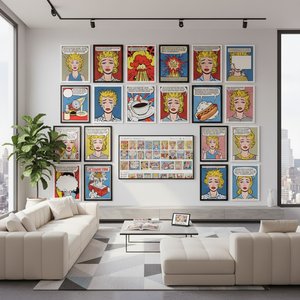
Avastage Roy Lichtensteini 25 parimat teost! Sukelduge popkunsti maailma, õppige maalidest ja tehnikatest. Kvaliteetsed reproduktsioonid ja interjööridisaini ideed Most-Famous-Paintings.com-is. Vaadake kollektsiooni!
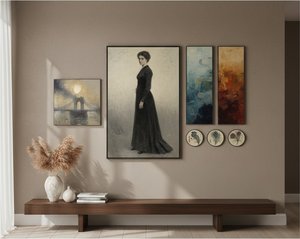
Avastage James Abbott McNeill Whistler'i 25 võrratut meistriteost! Sukelduge esteetilisse kunstimaailma, õppige tema maalitehnikatest ja leidke täiuslik seina kaunistus Most-Famous-Paintings.com-ist. Kunstikollektsioonid & reprodutsioonid.

Explore the mystical art & poetic genius of William Blake (1757-1827). Discover his revolutionary illuminated printing, rich symbolism, and lasting influence on Romanticism. Find handmade reproductions at Most-Famous-Paintings.
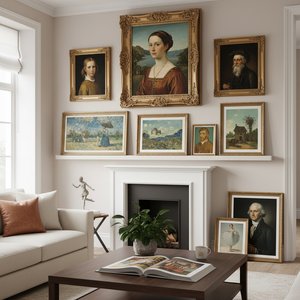
Avastage Rahvusgalerii Washingtoni 25 parimat teost! Sukeldu Cézanne'i, Matisse'i ja Picasso maalidest inspireeritud kunstiajalukku. Leidke täiuslik seinakaunistus või luksuslik reproduktsioon kodusse Most-Famous-Paintings.com-is. Vaadake kogu kollektsiooni online!


Püsige kursis viimaste kunstiuudistega, eksklusiivsete pakkumistega ja sisustamisideetega.
Kirjeldage meile oma projekti ja meie kunstieksperdid pakuvad teile 3 isikupärast kunstiettepanekut.
Laske meil koostada just teile mõeldud 3 valikut – tasuta!


 Jaga
Jaga


 Loe lähemalt







 Klaasivalik on saadaval ainult suuruses kuni 110 cm


