


x

 Tellimaks maali Osta digipilt
 Saada
Saada
 Teave teose kohta
 Lisa lemmikutesse
 Laadi alla
 Sarnased teosed
 Röntgenuuring
 Slaidietendus
Muuseumikvaliteediga giclée- või kangasprint kiire tootmisega ja paindlikud viimistlusvõimalused.





























Vali meie eelmääratud suurused, mis vastavad teose algupärastele proportsioonidele.

Saate sisestada oma mõõdud, et need sobiks konkreetse raami või ruumi sisse. Kui valitud suurus ei vasta originaalteose proportsioonidele, lõigame teose ära või laiendame pilti peegeldatud või ühtlase servaga. Enne tootmisprotsessi algust saadetakse Teie kinnitamiseks digitaalne näidis.
Palun märka, et ekraanil kuvatav eelvaade ei kajasta tegelikku lõigamist või laiendamist. Ainult näidis kujutab täpselt lõplikku kompositsiooni.
Kuigi erimõõdu on saadaval, soovitame originaaproportsioonide säilitamiseks valida mõõt ette määratud nimekirjast.
Ülemaailmne tarne () 2 nädala jooksul, tavalise 4/5 nädala asemel. (22 juuli)


Sowing
Reproduktsiooni suurus
William H. Johnson’s painting, Sowing (1942), transports the viewer into a sun-drenched tableau of rural existence. It is more than just a depiction of figures walking through the countryside; it is a vibrant narrative steeped in the resilience and enduring rhythm of agricultural life. The composition immediately draws the eye to the central grouping: a man on the left, a woman on the right, moving together with their donkey. They are laden not only with the tools of their trade—a plow visible among their belongings—but also with everyday necessities, suggesting a journey both literal and metaphorical.
Johnson employs a palette that sings with life. The colors are rich, saturated, and applied with a palpable energy that speaks to the artist's mastery of paint. One can almost feel the warmth of the sun beating down on this scene. Beyond the main subjects, the environment breathes through carefully placed details. In the background, a tree anchors the left side, lending depth, while the sky above is animated by the presence of two birds—one near the upper left corner and another drifting toward the center-right. These elements are not mere decoration; they are integral parts of the atmosphere, contributing to the overall dynamic and captivating quality of the piece.
Painted in 1942, this work emerges from a period of immense global tension, yet it grounds itself firmly in enduring American traditions. William H. Johnson’s own life—a journey marked by study in Paris and deep roots in African American culture—informs the symbolic weight carried within the canvas. While the scene depicts labor, there is an undercurrent of profound cultural continuity. The depiction of community effort, symbolized by the shared passage with the donkey, speaks to a collective perseverance that transcends the immediate historical moment.
The act of sowing itself carries universal symbolism: hope, renewal, and the promise of future harvest. The plow represents industry and the necessary work required for sustenance, while the pairing of man and woman suggests partnership—a harmonious collaboration essential to both farming and life itself. Johnson masterfully weaves together these elements, creating a visual poem about interdependence. For the collector or designer, this piece offers more than just decoration; it offers an infusion of grounded optimism, reminding us that beauty and strength are often found in the steady rhythm of shared effort.


1901 - 1970

Avastage Metropolitani muuseumi 25 kõige ikoonilisemat kunstiteost! Sukeldume maalikunstnike maailma, impressionismi võlu ja ajalooliste värvikombinatsioonide sisse. Leidke täiuslik seina kaunistus Most-Famous-Paintings'is – kvaliteetsed reproduktsioonid ja sisustus ideed. Avastage kogu kollektsioon online!

Explore 25 iconic Sir Alfred Munnings paintings! Discover the beauty of British Impressionism, equine art & rural England. Find museum-quality reproductions and elevate your home decor with Most-Famous-Paintings. Explore the full collection online.
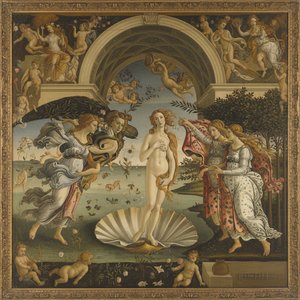
Avastage Sandro Botticelli 25 parimat teost! Sukeldume Renessansi ilu, müütide ja Firenze suurmeistri ajatusse maailma. Kvaliteetsed reproduktsioonid ja kunst interjööris – Most-Famous-Paintings.com-is. Avasta kõik meistriteosed veebis!
Avastage Alte Pinakothek Müncheni 25 suurimat meistriteost! Sukeldume renessansi, baroki ja klassikalise kunsti maailma. Leonardo da Vinci, Rubens ja teised – leidke inspiratsiooni interjööri kujunduseks Most-Famous-Paintings.com-is. Vaadake kollektsiooni!
Avastage Rahvusgalerii Washingtoni 25 parimat teost! Sukeldu Cézanne'i, Matisse'i ja Picasso maalidest inspireeritud kunstiajalukku. Leidke täiuslik seinakaunistus või luksuslik reproduktsioon kodusse Most-Famous-Paintings.com-is. Vaadake kogu kollektsiooni online!


Püsige kursis viimaste kunstiuudistega, eksklusiivsete pakkumistega ja sisustamisideetega.
Kirjeldage meile oma projekti ja meie kunstieksperdid pakuvad teile 3 isikupärast kunstiettepanekut.
Laske meil koostada just teile mõeldud 3 valikut – tasuta!


 Jaga
Jaga


 Loe lähemalt







 Klaasivalik on saadaval ainult suuruses kuni 110 cm


