


x

Käsinmaalattu öljyväri kankaalle haluamassasi koossa ja kehyksissä, taiteilijoidemme valmistamana tilauksesta. ( Osta printti Osta kuva)





























Valitse valmiista mitoistamme sellaiset, jotka vastaavat teoksen alkuperäisiä mittasuhteita.

Voit syöttää omat mitat sopimaan tiettyyn kehykseen tai tilaan. Jos valitsemasi koko ei vastaa alkuperäisen kuvan mittasuhteita, rajaamme taideteoksen tai jatkamme maalausta käsin maalatuilla elementeillä. Digitaalinen esikatselu lähetetään hyväksyttäväksi ennen tuotannon aloittamista.
Huomioithan, että näytöllä oleva esikatselu ei vastaa todellista rajausta tai jatkamista. Vain digitaalinen mallikuva näyttää lopullisen sommittelun tarkasti.
Vaikka mittatilaustyöt ovat mahdollisia, suosittelemme valitsemaan mitan ennalta määritetystä listasta alkuperäisten mittasuhteiden säilyttämiseksi.
Maailmanlaajuinen toimitus () 3–4 viikossa tavallisen 5 viikon sijaan. (19 elokuu). Laadusta ei tingitä.


L'Eté
Replikaatin koko
Giuseppe Arcimboldo’s L'Été (Summer), painted around 1573, isn’t merely a still life; it’s an audacious reimagining of the season itself, rendered in a breathtaking explosion of color and meticulously arranged natural elements. This iconic work, now housed within the Louvre Museum in Paris, stands as a testament to Arcimboldo's unparalleled skill in transforming the mundane – fruits, vegetables, herbs – into a remarkably lifelike human portrait. More than just a clever illusion, L’Été is a complex allegory brimming with Renaissance symbolism and a subtle commentary on power, fertility, and the cyclical rhythms of nature.
At first glance, the composition appears chaotic—a dense tapestry of peaches, artichokes, wheat stalks, and countless other botanical treasures. However, closer inspection reveals an astonishingly deliberate arrangement. Arcimboldo masterfully manipulated the edges of each element to create implied lines that subtly suggest facial features: a gentle curve mimicking a smile, the pointed form of a nose, and the suggestion of eyes within the shadowed recesses of a leafy border. The absence of traditional perspective—the flattening of space—further enhances the surreal quality, drawing the viewer into this vibrant, almost dreamlike world.
Arcimboldo’s technique was nothing short of extraordinary. He likely employed oil paint on a wood panel, meticulously layering pigments to achieve the rich textures and luminous colors that characterize the work. The fruits and vegetables themselves were not simply painted; they were carefully selected for their form, color, and texture – a smooth peach juxtaposed against the rough surface of an artichoke, the grainy grain of wheat creating a sense of volume. This deliberate attention to detail elevates the piece beyond a simple still life, transforming it into a sculptural composition.
The choice of materials is integral to the artwork’s impact. Arcimboldo didn't rely on artificial pigments; he harnessed the natural hues of his subjects – the vibrant reds and yellows of ripe fruits, the earthy browns of vegetables – creating an authentic and deeply resonant visual experience. The inclusion of herbs and flowers further reinforces the connection to nature, grounding the fantastical portrait in a tangible reality.
L’Été is steeped in symbolism, reflecting the intellectual currents of the Renaissance. Arcimboldo frequently used his composite portraits to subtly satirize or comment on contemporary figures, often employing allegorical representations of power, wealth, and morality. In this instance, the abundance of fruits and vegetables speaks directly to themes of fertility, prosperity, and the cyclical nature of seasons – all vital concepts within the Renaissance worldview.
The portrait’s resemblance to a bust-length human face is not accidental. Arcimboldo was deeply influenced by Neo-Platonism, which sought to reconcile classical philosophy with Christian theology. He believed that beauty resided in the harmony and proportion of nature, and his portraits were intended to evoke this sense of balance and order. The arrangement of elements within L’Été mirrors this philosophical ideal – a carefully constructed microcosm reflecting the larger universe.
Beyond its technical brilliance and symbolic richness, L'Été possesses a profound emotional impact. It evokes a sense of abundance, joy, and the fleeting beauty of summer’s bounty. The sheer density of color and form creates a feeling of immersion, transporting the viewer to a vibrant garden overflowing with life. Arcimboldo’s ability to transform ordinary objects into extraordinary works of art speaks to his genius as a visual storyteller – a master of illusion who invites us to see the world in a new and imaginative light.
Most-Famous-Paintings offers meticulously crafted, hand-painted reproductions of L'Été, allowing you to bring this iconic masterpiece into your home or office. Experience the artistry and symbolism of Arcimboldo’s vision firsthand – a timeless testament to the power of imagination and the beauty of nature.

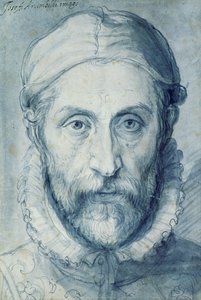
1527 - 1593 , Italia

Explore the dramatic world of Italian Baroque art. Discover how masters like Caravaggio used chiaroscuro and tenebrism to revolutionize painting through light, shadow, and profound realism. A definitive guide for history lovers and art collectors.


Pysy ajan tasalla uusimmista taideuutisista, eksklusiivisista tarjouksista ja sisustusideoista.
Kerro meille projektistasi, niin taideasiantuntijamme tarjoavat sinulle kolme henkilökohtaista taidesuositusta.
Anna meidän kuratoida 3 vaihtoehtoa juuri sinulle – Ilmaiseksi!


 Esikatselu
 Jaa
Jaa Jaa
Jaa
 Tarkemmat tiedot

 Lataa
Lataa
 Samanlaisia
 Röntgenkuva
 Diaesitys

 Näytä lisää







 Lasivaihtoehto on saatavilla vain alle 110 cm kokoisina teoksina


