x


 Commander la reproduction Acheter l'image haute résolution
 Partager
 Détails de l'œuvre
 Ajouter aux favoris
 Télécharger
 Articles similaires
 Radiographie
 Diaporama
Impression giclée ou sur toile de qualité musée, avec une production rapide et des finitions au choix.





























Choisissez parmi nos formats prédéfinis qui respectent les proportions originales de l’œuvre.

Vous pouvez saisir vos propres dimensions pour vous adapter à un cadre ou à un espace spécifique. Si la taille sélectionnée ne correspond pas aux proportions de l'image originale, nous recadrerons l'œuvre ou étendrons l'image avec une bordure en miroir ou une couleur unie. Une maquette numérique vous sera envoyée pour approbation avant le début de la production.
Veuillez noter que l'aperçu à l'écran ne reflète pas le recadrage ou l'extension réelle. Seule la maquette montrera avec précision la composition finale.
Bien que des tailles personnalisées soient disponibles, nous vous recommandons de choisir une dimension dans la liste prédéfinie afin de préserver les proportions originales.
Livraison dans le monde entier () en 2 semaines au lieu des 4/5 semaines habituelles. (23 juillet)


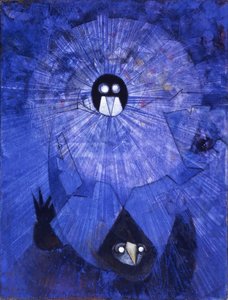
untitled (9089)
Format de reproduction
Max Ernst’s “untitled (9089)” stands as a testament to the power of subconscious exploration—a cornerstone achievement of Dada and Surrealist art movements that irrevocably altered the landscape of European artistic expression in the aftermath of World War I. Born in Brühl, Germany, in 1891, Ernst eschewed traditional academic training, prioritizing instead a relentless pursuit of philosophical understanding and psychological insight.
The painting immediately captivates with its arresting visual language. Dominating the lower half of the frame is a horse ridden by a solitary man—a figure rendered in muted tones that convey both vulnerability and determination. Surrounding him is an overgrown jungle teeming with stylized trees, bushes, and birds; these elements aren’t merely decorative but serve as conduits for conveying primal anxieties and desires.
Ernst's distinctive technique—primarily grattage—is central to the artwork’s impact. This method involves scraping paint across a canvas surface covered with textured objects beneath – often found materials like burlap or wood grain – creating an intricate interplay of visible marks and hidden impressions. The resulting surface is deliberately uneven, mirroring the turbulent emotional state inherent in Surrealist thought.
Beyond its formal qualities, “untitled (9089)” resonates deeply with symbolic meaning. The horse represents strength and nobility, yet it’s subjugated by human will—a motif frequently employed by Ernst to critique societal hierarchies and explore themes of domination and resistance. Similarly, the jungle symbolizes the untamed wilderness of the unconscious mind, where repressed emotions and instincts emerge into conscious awareness.
The painting's emotional impact is palpable: a blend of melancholy contemplation mingled with an underlying current of defiance. It invites viewers to confront unsettling truths about human nature and to embrace the transformative potential of confronting one’s inner demons—a core tenet of Surrealist art’s enduring legacy.
Consider commissioning a high-quality reproduction of “untitled (9089)” for your home or studio. Its textured surface and evocative imagery will undoubtedly spark conversation and inspire creativity, transporting you to the realm of Ernst's visionary imagination.

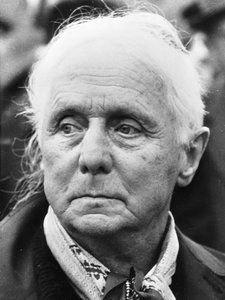
1891 - 1976 , Allemagne

Explore the captivating landscapes of Alfred Worthington (1834-1927), a pivotal figure bridging Victorian realism & early Impressionism. Discover his Welsh hunting scenes, artistic evolution, and collecting guide.
Plongez dans l'univers surréaliste de Max Ernst ! Découvrez les 25 œuvres les plus emblématiques du maître allemand, entre frottage, collage et rêves éveillés. Inspirez votre décoration intérieure avec Most-Famous-Paintings : reproductions de tableaux de qualité muséale et collection d'art unique. Explorez la co

Explorez les fondements philosophiques et l'évolution du surréalisme avec Most-Famous-Paintings. Découvrez les œuvres emblématiques de Dalí, Magritte et Breton. Un voyage fascinant au cœur d'un mouvement artistique révolutionnaire.

Explorez l'évolution fascinante de la peinture surréaliste : des racines dadaïstes à l'influence de Freud, en passant par les techniques automatiques et les figures clés comme Dalí. Découvrez un mouvement artistique révolutionnaire.

Explore the captivating world of James Ward (1769-1859), a master of British Romantic landscape & animal painting. Discover his iconic 'Gordale Scar' and exquisite portraits – a timeless art investment. Learn about his influences, style, and enduring legacy.


Restez informé(e) des dernières actualités artistiques, des offres exclusives et des idées de décoration.
Parlez-nous de votre projet et nos experts en art vous proposeront 3 suggestions d'œuvres personnalisées.
Laissez-nous sélectionner 3 œuvres rien que pour vous – Gratuit !


 Partager


 Afficher la suite







 L'option verre n'est disponible que pour les dimensions inférieures à 110 cm.