x

Impressions giclées ou sur toile de qualité musée, avec une production rapide et des finitions au choix. ( Commander la reproduction peinte à la main Télécharger l'image haute résolution)





























Choisissez parmi nos formats prédéfinis qui respectent les proportions originales de l’œuvre.

Vous pouvez saisir vos propres dimensions pour vous adapter à un cadre ou à un espace spécifique. Si la taille sélectionnée ne correspond pas aux proportions de l'image originale, nous recadrerons l'œuvre ou étendrons l'image avec une bordure en miroir ou une couleur unie. Une maquette numérique vous sera envoyée pour approbation avant le début de la production.
Veuillez noter que l'aperçu à l'écran ne reflète pas le recadrage ou l'extension réelle. Seule la maquette montrera avec précision la composition finale.
Bien que des tailles personnalisées soient disponibles, nous vous recommandons de choisir une dimension dans la liste prédéfinie afin de préserver les proportions originales.
Livraison dans le monde entier () en 2 semaines au lieu des 4/5 semaines habituelles. (18 août)


untitled (9089)
Format de la reproduction
In the vast, labyrinthine landscape of twentieth-century modernism, few works capture the unsettling beauty of the human psyche quite like Max Ernst’s “untitled (9089).” This masterpiece serves as a profound gateway into the realms of Dada and Surrealism, movements that emerged from the fractured reality of post-World War I Europe. Ernst, a pioneer who eschewed traditional academic constraints in favor of psychological exploration, invites the viewer to step away from the rational world and enter a dreamscape where the boundaries between the animate and inanimate dissolve. The painting is not merely a visual experience; it is an invitation to wander through the untamed wilderness of the unconscious mind.
The composition is anchored by a striking, central motif: a solitary man mounted upon a horse, navigating a dense, primordial jungle. This figure, rendered in muted and somber tones, evokes a sense of profound vulnerability amidst the overwhelming scale of nature. As your eyes traverse the canvas, you encounter a surreal ecosystem teeming with life—stylized trees, thickets of bushes, and watchful birds that seem to emerge from the very texture of the earth. Scattered throughout this verdant chaos are other human figures, some resting and others observing, creating a sense of a shared yet deeply isolated existence within this mysterious landscape.
What truly distinguishes this work is Ernst’s revolutionary approach to medium and method. Eschewing the smooth, polished finishes of classical painting, Ernst utilized grattage—a technique of scraping paint across a canvas layered over textured surfaces like burlap or wood grain. This process allows the underlying textures to bleed through the pigment, creating an intricate, organic surface that feels alive with movement. The resulting visual language is one of deliberate unevenness, where every scratch and scrape mirrors the turbulent emotional currents of the Surrealist movement.
For the discerning collector or interior designer, this technique offers a tactile depth that is rare in traditional portraiture or landscapes. The interplay of light and shadow across these textured ridges creates a dynamic quality; the painting appears to shift and breathe depending on the viewer's perspective and the ambient lighting of the room. It is a work that demands attention, providing a sophisticated focal point that brings an air of intellectual mystery and avant-garde elegance to any curated space.
Beyond its formal brilliance, “untitled (9089)” is rich with symbolic weight. The horse, traditionally a symbol of strength and nobility, appears here in a state of subjugation to human will, perhaps reflecting Ernst’s critique of societal hierarchies and the struggle for dominance. The jungle itself acts as a powerful metaphor for the repressed instincts and primal anxieties that lie beneath the surface of civilized behavior. It is a place where the "id" emerges into the light, presenting a landscape that is simultaneously enchanting and threatening.
The emotional impact of the piece is a complex tapestry of melancholy contemplation and quiet defiance. There is a haunting stillness to the scene, yet it is charged with an underlying current of tension. To possess a reproduction of this work is to bring a piece of art history’s most profound psychological inquiries into one's home. It serves as a constant reminder of the beauty found in the unknown and the enduring power of the imagination to transform chaos into a structured, albeit surreal, vision of existence.

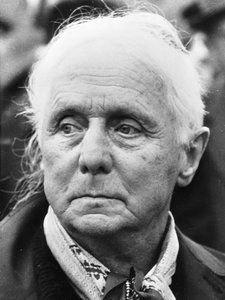
1891 - 1976 , Allemagne

Explore the profound depths of Surrealism. From Dalí’s dreamscapes to Magritte’s enigmas, master the history of the subconscious mind through our expert art guide and discover museum-quality oil reproductions of the world's most iconic surrealist masterpieces.


Restez informé(e) des dernières actualités artistiques, des offres exclusives et des idées de décoration.
Parlez-nous de votre projet et nos experts en art vous proposeront 3 suggestions d'œuvres personnalisées.
Laissez-nous sélectionner 3 œuvres rien que pour vous – Gratuit !


 Aperçu en situation
 Envoyer
 Partager
 Détails de l'œuvre

 Télécharger
 Articles similaires
 Radiographie
 Diaporama

 Lire la suite







 L'option verre n'est disponible que pour les dimensions inférieures à 110 cm.