
Adja értékesésre műveiét
Kedvencek listája Kosár Cart
x
ElőnézetElőnézet AR előnézetAR előnézet Váltás nyomtatványra Váltás nyomtatványraÁttérés a kézzel festett másolatra Áttérés a kézzel festett másolatra MegosztásMegosztás
RészletekRészletek Kedvencekhez ad Kedvencekhez ad LetöltésLetöltés Hasonló alkotásokHasonló alkotások X-ray felvételX-ray felvétel DiavetítésDiavetítés

Mountain Forest

Vibrant German Expressionism captures a lush forest scene by Ernst Ludwig Kirchner; explore the emotional depth of this 1920 masterpiece today.

Ernst Ludwig Kirchner (1880-1938): A vezető német expresszionista, a Die Brücke alapító tagja. Fedezd fel lenyűgöző, érzelemre hangolt alkotásait a modern városokról, nők frånkójáról és tájakról – egy korai 20. századi művészet erőteljes hangszórója.

Vásároljon egy nagy felbontású, javított digitális képet, amely sokkal jobb minőségű, mint az online előnézet.

Minden fájlt szakembereink a legmodernebb eszközök és precíz, kézi retusálás segítségével készítenek el aprólékosan. Gondoskodunk arról, hogy minden kép kivételes tisztasággal, pontos színhelyességgel és részletgazdag finomsággal rendelkezzen.

A végleges fájl 72 órán belül e-mailben megérkezik, professzionális, szerkesztői és nyomtatási környezetbe optimalizálva az azonnali használathoz. Ez ugyanaz a minőség, amelyben a legmeghatározóbb tervezőstúdiók, kiadók és galériák is megbízhatnak.

Digitális alkotás

Töltsön le nagy felbontású fájlt személyes kiállításokhoz, nyomtatáshoz és kreatív projektekhez. (Váltás nyomtatványra Váltás nyomtatványraÁttérés a kézzel festett másolatra Áttérés a kézzel festett másolatra)

Összesen

$9.99

Minden digitális kép rendeléséhez tartozó extrák

Szakértői digitális kézbesítés, garantáltan

Amikor a Most-Famous-Paintings.com weboldalt választja, nem csupán egy képet kap – professzionálisan felmagasított digitális műalkotást kap, amely precizitással készült, és amelyet megelégsedési gwarancia tesz biztoslássá. Az alábbiakban automatikusan minden benne 】

shipping_icon
Gyors e-mail teslimítés

A nagy felbontású digitális képmásolatát a megrendelést követő 72 órán belül e-mailben elküldjük Önnek – azonnal használható formátumban.

canvas_icon
MI-alapú digitális feldolgozású fájl

Műve professzionális módon kerül optimalizálásra fejlett mesterséges intelligencia eszközök és manuális szerkesztés segítségével, biztosítva a maximális részletességet, tisztaságot és színpontosságot.

insurance_icon
Örök életű ingyenes újradelivery

Véletlenül törölted vagy elvesztetted a fájlodat? Ne aggódj – bármikor ingyenesen újra megküldjük neked.

tax_icon
Nincs importköltség – soha

Élvezze műalkotásait azonnal, vám, illeték vagy szállítási költség nélkül – a digitális letöltések mindig adamentesek.

color_icon
Színpontosság Garancia

Professzionális eszközök és színkezelés segítségével garantáljuk, hogy digitális képe a lehető legpontosabban tükrözze az eredeti színeket.

return_icon
60 napos elégedettségi garancia

Ha nemມີ elégedett a digitális képpel, 60 napon belül átmunkáljuk azt, vagy 100% visszatérítjük az amountot – kérdés nélkül.

guarantee_icon
100% Pénzvisszatérítési garancia

Nem érheted el a teljes elégedettséget? 60 napon belül teljes visszatérítést kapsz a digitális fájlod megérkezése után – kérdés बिना.

discount_icon
Tömegrendelési kedvezmények

Vásároljon 3 képet, spóroljon 10%-et - Vásároljon 5-öt, spóroljon 15%-et - Vásároljon 10+ képet, spóroljon 20%-at. Kiváló kreatív projektekhez, galériákhoz és ügynökségekhez.

Rövid tények

  • Year: 1920
  • Artist: Ernst Ludwig Kirchner
  • Title: Mountain Forest
  • Subject or theme: Nature, forest scene
  • Artistic style: Expressionism

Művészeti kvíz

Minden kérdésre csak egy helyes válasz létezik.

Kérdés 1:
The artwork 'Mountain Forest' is associated with which art movement?
Kérdés 2:
Who is the artist credited with creating 'Mountain Forest'?
Kérdés 3:
What general subject matter dominates the scene described in 'Mountain Forest'?
Kérdés 4:
The painting 'Mountain Forest' was created around what time period?
Kérdés 5:
A key characteristic of Kirchner's style, evident in this work, is:

A gyűjtemény leírása

The Luminous Embrace of Nature in Kirchner's Vision

To stand before this depiction, "Mountain Forest," is to step through a veil into a vibrant, almost feverish dreamscape of the natural world. Ernst Ludwig Kirchner, master of German Expressionism, has captured more than just a woodland scene; he has bottled an emotional resonance—the exhilarating, sometimes overwhelming, feeling of immersion in nature. The canvas pulses with life, a tapestry woven from lush greens and punctuated by bursts of unexpected color from the abundant flora. It is a journey rendered visible, inviting the viewer to wander down the depicted path as if their own footsteps were about to tread upon the painted earth.

Technique and the Expressionist Brushstroke

Kirchner’s handling of paint here is masterful in its apparent spontaneity. While the subject matter—a forest teeming with life, featuring figures strolling along a winding way—suggests tranquility, the technique itself speaks to an underlying energy. The brushstrokes are not merely descriptive; they are emotive. They possess a distinct vigor, giving dimension and depth that seems almost palpable. Observe how the varied foliage is rendered: it is rich, layered, and deeply saturated, suggesting both the density of the woods and the sheer joy of discovery found within them. This large scale allows the artist to envelop the viewer, making the forest feel vast and immediate.

Historical Echoes: Modernity Amidst Wilderness

Painted in 1920, this work emerges from a period of profound societal upheaval for Germany. Kirchner’s art often wrestled with the anxieties of modern urban life, yet here, he finds solace—or perhaps an escape—within the embrace of the forest. The presence of figures within the scene is telling; they are not merely decorative elements but participants in a shared experience. They suggest a yearning for connection, a retreat from the industrial clamor that characterized the early 20th century. The woods become a sanctuary, a place where the raw spirit can breathe.

Symbolism of the Path and the Bloom

The pathway itself functions as a potent symbol—the journey of life, the passage through experience. It draws the eye deep into the composition, promising revelation around every bend. Complementing this sense of movement are the flowers; they are not painted with delicate realism but with an almost ecstatic vibrancy. These blooms represent moments of pure, unadulterated beauty, punctuating the deeper mystery of the woods. For the collector or designer, this piece offers more than mere decoration; it is a focal point imbued with narrative—a reminder to seek out the vibrant pockets of joy in one's own journey.

Bringing the Forest Home

Reproducing such an emotionally charged work requires sensitivity to Kirchner’s original intensity. Owning a reproduction of "Mountain Forest" allows one to curate a space that feels both deeply rooted and vibrantly alive. It is ideal for those who appreciate art that speaks in feeling rather than just form—a piece that will draw conversation, evoke wanderlust, and infuse any room with the rich, complex beauty of an untamed natural spirit.

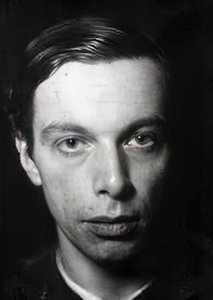
Művész életrajza

A Life Forged in Expression: The World of Ernst Ludwig Kirchner

Ernst Ludwig Kirchner, a name inextricably linked to the raw emotional core of German Expressionism, emerged from a Germany poised on the cusp of profound transformation. His birth in Aschaffenburg, Bavaria, in 1880, wasn’t merely an arrival into the world; it was the beginning of a life deeply intertwined with artistic rebellion and personal struggle. The fragmented landscapes that shaped his early years – dictated by his father's profession as a paper scientist – instilled within him a persistent sense of displacement, a feeling that would become a recurring theme in his art. From Frankfurt to Perlen, and finally settling in Chemnitz, young Kirchner absorbed the anxieties simmering beneath the surface of a rapidly modernizing nation. Initially guided towards architecture at the Königliche Technische Hochschule in Dresden, it was the magnetic pull of painting – fueled by an admiration for masters like Albrecht Dürer and a growing disillusionment with academic conventions – that ultimately defined his artistic destiny. He found kinship with fellow revolutionaries – Fritz Bleyl, Karl Schmidt-Rottluff, and Erich Heckel – forging bonds that would irrevocably alter the course of 20th-century art.

The Bridge Between Worlds: Die Brücke and Artistic Revolution

In 1905, Kirchner became a founding member of *Die Brücke* (“The Bridge”), an artistic collective dedicated to dismantling traditional aesthetic boundaries and forging a new path toward a more visceral, emotionally charged form of expression. This wasn’t simply a stylistic choice; it represented a fundamental philosophical stance. The group sought inspiration from sources often dismissed by the established art world – the primal artistry of Africa and Oceania, the intensely colored visions of Vincent van Gogh, and the haunting psychological depths explored by Edvard Munch. Rejecting the idealized beauty championed by academic painting, *Die Brücke* embraced distortion, jarring color palettes, and expressive brushwork to convey the anxieties and alienation inherent in modern life. Kirchner’s early works, born from this collaborative spirit, pulsed with a restless energy, reflecting the group's shared desire to break free from artistic constraints. The studio became a crucible for experimentation, a space where social norms were challenged alongside artistic conventions. The exploration of the human form, particularly the female nude, within both urban and natural settings, became a recurring motif, allowing Kirchner to investigate movement, emotion, and the complexities of modern existence.

Defining a Style: Urban Anxieties and Bold Visions

Kirchner’s artistic style is immediately recognizable for its distinctive characteristics. He didn't treat color as a mere tool for accurate representation; instead, he wielded it with deliberate intensity to evoke powerful emotional responses – vibrant, often non-naturalistic hues that heightened the sense of unease or urgency within his compositions. His brushstrokes were energetic and visible, contributing to the overall feeling of immediacy and raw emotion. Figures and objects were frequently distorted or elongated, reflecting a subjective rather than objective reality. Kirchner’s paintings weren't simply depictions of scenes; they were profound explorations of the human psyche, capturing the psychological impact of modern urban life in early 20th-century Germany. Paintings like *The Street* (1908) are not merely representations of cityscapes; they are portraits of alienation, capturing the frenetic energy and emotional detachment experienced by individuals navigating a rapidly changing world. He didn’t shy away from portraying the darker aspects of modernity – the loneliness, the anonymity, the overwhelming sense of being swallowed by the sheer scale of urban existence. This unflinching gaze established him as a chronicler of his time, an artist who dared to confront the anxieties simmering beneath the surface of societal progress.

Influences and Development: A Synthesis of Traditions

Kirchner’s artistic development was shaped by a complex interplay of influences. He initially admired the precision and clarity of Albrecht Dürer's work, seeking a connection to Germany’s rich artistic heritage. However, he quickly moved beyond academic conventions, embracing the bold color palettes and expressive distortions of Vincent van Gogh and the psychologically charged landscapes of Edvard Munch. Crucially, Kirchner found inspiration in non-European art – particularly the primitive sculptures of Africa and Oceania – which offered him a direct connection to primal emotions and spiritual energies. This fascination with “primitive” forms led him to experiment with woodcut printing, developing a distinctive technique characterized by bold lines and stark contrasts. The influence of *Die Brücke* itself was paramount; the group’s shared commitment to emotional expression and their rejection of traditional aesthetics fostered a dynamic creative environment where Kirchner's style continued to evolve.

Tragedy and Legacy: A Lasting Impact

Kirchner’s life was tragically marked by personal struggles, culminating in his untimely death in 1938. The horrors of World War I triggered a severe mental breakdown, forcing him to retreat to Switzerland in search of solace. However, even in exile, he continued to create, his work reflecting the lingering trauma and isolation he experienced. The rise of Nazism brought further hardship; over 600 of his works were confiscated and branded as “degenerate” art – a devastating blow that underscored the political climate’s hostility towards modern artistic expression. Facing persecution and declining health, Kirchner tragically took his own life in Davos, Switzerland, in 1938. Despite this heartbreaking end, Ernst Ludwig Kirchner's legacy remains profoundly influential. He stands as a central figure of German Expressionism, inspiring generations of artists with his bold style, emotionally resonant depictions of modern life, and unwavering commitment to artistic truth. His work continues to be exhibited in major museums worldwide, serving as a powerful reminder of the enduring power of art to confront, challenge, and ultimately illuminate the human condition.
  • Influenced By: Albrecht Dürer, Vincent van Gogh, Edvard Munch, Primitive Art (African & Oceanic)
  • Influenced: Kirchner’s work profoundly impacted subsequent generations of Expressionist and Modern artists. His exploration of psychological themes and his innovative use of color and form continue to inspire contemporary art practices.
Ernst Ludwig Kirchner

Ernst Ludwig Kirchner

1880 - 1938 , Németország

Rövid tények

  • Artistic Movement Or Style: Expressionizmus
  • Artists Or Movements Influenced By This Artist:
    • Die Brücke
    • Modern művészet
  • Artists Who Influenced This Artist:
    • Albrecht Dürer
    • Van Gogh
    • Munch
  • Date Of Birth: 1880. május 6.
  • Date Of Death: 1938. június 15.
  • Full Name: Ernst Ludwig Kirchner
  • Nationality: Német
  • Notable Artworks:
    • A utca (1908)
    • Szárazföldi táncos (1912)
    • Önismeret (1910)
  • Place Of Birth: Aschaffenburg, Németország

