x

 Oil On CanvasWallArtRomantic Landscape
 181719th Century
 102.0 x 127.0 cm
Kézzel festett olajvastú vászon, az Ön által választott méretben és keretben, művészeink készítik meglévőre. ( Nyomat rendelése Kép letöltése)





























Válasszon előre meghatározott méreteink közül, amelyek megfelelnek a műalkotás eredeti arányainak.

Ön megadhat saját méreteket egy adott kerethez vagy térhez igazításhoz. Ha a kiválasztott méret nem egyezik az eredeti kép arányával, akkor a műalkotást levágjuk, vagy további kézzel festett elemekkel meghosszabbítjuk a festményt. A gyártás megkezdése előtt küldünk Önnek egy digitális előnézetet jóváhagyásra.
Kérjük, vegye figyelembe, hogy a képernyőn megjelenő előnézet nem tükrözi a tényleges vágást vagy kiterjesztést. Csak az előnézet fog pontosan mutatni a végső kompozíciót.
Bár egyedi méretek állnak rendelkezésre, javasoljuk, hogy válasszon egy méretet az előre meghatározott listából az eredeti arányok megőrzése érdekében.
Világszerte elérhető szállítás () 3-4 hét alatt a szokásos 5 hét helyett. (15 augusztus). A minőség nem kérdőjelezhető.


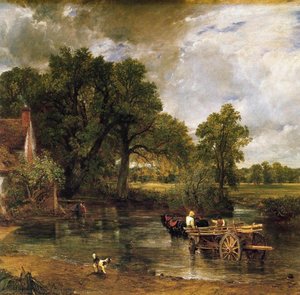
Flatford Mill (Scene on a Navigable River)
Reprodukció mérete
In the quiet corners of the English countryside, where the River Stour winds through the verdant heart of Suffolk, lies a scene captured forever in John Constable’s 1817 masterpiece, Flatford Mill (Scene on a Navigable River). This is not merely a depiction of a watermill; it is an evocative window into the Romantic soul. To gaze upon this canvas is to step into a world where the boundaries between nature and emotion blur. Constable, a poet of the land, moved away from the rigid, studio-bound traditions of his era to embrace the ephemeral truth of the outdoors. He sought to capture the very breath of the landscape—the way a sudden cloud might cast a fleeting shadow over a meadow, or how the light dances upon a moving current. For the discerning collector or interior designer, this painting offers more than visual beauty; it provides an atmosphere of profound tranquility and a timeless connection to the natural world.
The composition itself is a masterclass in balance and depth. The foreground invites the viewer to linger by the river’s edge, where the calm, reflective waters mirror the lush greenery of the surrounding banks. A moored boat rests quietly on the left, serving as a subtle reminder of the human rhythm that beats in harmony with the river's flow. As the eye wanders toward the right, two figures stroll along a winding path, their small scale emphasizing the grandeur and vastness of the landscape. This careful arrangement creates an atmospheric perspective that draws the viewer deep into the distance, toward a bridge that sits nestled among rolling hills and dense, leafy canopies. The sky, punctuated by soft, white clouds, breathes life into the scene, ensuring that the painting feels less like a static image and more like a living, breathing moment in time.
What truly distinguishes this work is Constable’s revolutionary approach to technique. Eschewing the polished, porcelain-like finishes favored by his contemporaries, he employed loose, energetic brushstrokes and rich tonal harmonies. He utilized a sophisticated use of chiaroscuro—the dramatic interplay between light and shadow—to imbue the landscape with a sense of three-dimensional reality. This technique allows the sunlight to appear as if it is actually piercing through the foliage, creating highlights that shimmer against the deep, earthy shadows of the riverbanks. For those looking to adorn a space with art, the texture of such a piece brings a tactile richness to a room, offering a focal point that changes character depending on the light of the day.
Beyond its technical brilliance, Flatford Mill carries a profound symbolic weight. The mill itself stands as a symbol of human industry and the enduring relationship between man and nature—a recurring motif in Constable’s life, as his father was a prominent local merchant. There is a gentle tension here between the industriousness of the mill and the serene, untouched beauty of the river. This duality evokes a sense of nostalgia for a pastoral era, making it an ideal acquisition for those seeking to bring a sense of peace, heritage, and organic warmth into a modern interior. To own a reproduction of this work is to invite the restorative power of the English countryside into one's home, fostering an environment of reflection and quiet inspiration.
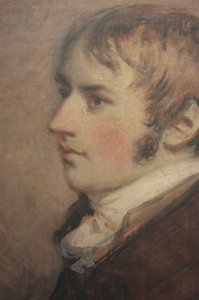
1776 - 1837 , Egyesült Királyföld
Fedezze fel John Constable 25 legszebb művészeti alkotását! Ismerje meg a romantika ikonikus tájképeit, Dedham Vale szépségét és a természet lenyűgöző ábrázolásait. Vászonkép reprodukcióinkkal eleganciát csempészhet otthonába – Most-Famous-Paintings.com

Fedezze fel John Singer Sargent 25 legikonikusabb művészeti alkotását! Portrék, impresszionista stílus és a fény játéka – inspirálódjon Sargent életrajzából és vászonképeiből. Művészeti reprodukciók otthonába a Most-Famous-Paintings-on!

Fedezze fel a romantikus tájképfestészet 10 legikonikusabb műalkotását! Caspar David Friedrich, J.M.W. Turner és más mesterek festményeinek története – inspiráló olajfestmények otthonába. Most-Famous-Paintings.com: múzeumi minőségű reprodukciók és egyedi dekorációk online.

Explore the life & art of John Constable, the Romantic painter who revolutionized landscape with emotive scenes of rural England. Discover his techniques, legacy, and key works – perfect for collectors & enthusiasts.

Explore the profound legacy of John Constable. Discover how his mastery of light, atmosphere, and the English landscape redefined Romanticism through timeless, museum-quality oil reproductions for discerning collectors.


Maradjon naprakész a legfrissebb művészeti hírekkel, exkluzív ajánlatokkal és dekorációs ötletekkel.
Írja le nekünk projektjét, és művészeti szakértőink 3 személyre szabott műalkotási javaslatot készítenek Önnek.
Hagyjuk, hogy mi válogassunk ki Önnek 3 legjobb opciót – Ingyenesen!


 Megtekintés
 Küldés
 Megosztás
 Részletek

 Letöltés
 Hasonló darabok
 X-ray felvétel
 Diavetítés
 Összes részlet megjelenítése







 Az üvegkeretes opció csak 110 cm alatti méretben érhető el