


x


 Preview
 Készíttetnék festményként Kép letöltése
 Megosztás
 Részletek
 Kedvencekhez ad
 Letöltés
 Hasonló alkotások
 X-ray felvétel
 Diavetítés
 Acrylic On CanvasWallArtModernism
 1929
1929 70.0 x 83.0 cm
 Royal Scottish Academy of Art - Architecture
Múzeumi minőségű giclée vagy vászonnyomat, gyors gyártással és rugalmas finomítási lehetőségekkel.





























Válasszon előre meghatározott méreteink közül, amelyek megfelelnek a műalkotás eredeti arányainak.

Megadhat saját méreteket is egy konkrét kerethez vagy helyszínhez igazítva. Amennyiben a kiválasztott méret nem egyezik az eredeti kép arányokkal, a műalkotást le fogjuk vágni, vagy kiegészítjük a képet tükrözött vagy egyszínű szélekkel. A gyártás megkezdése előtt egy digitális tervezetet küldünk jóváhagyásra.
Kérjük, vegye figyelembe, hogy a képernyőn látható előnézet nem tükrözi a tényleges levágást vagy kiegészítést. Csak a tervezet mutatja pontosan a végső kompozíciót.
Bár az egyedi méretek is elérhetőek, az eredeti arányok megőrzése érdekében azt javasoljuk, hogy válasszon a előre meghatározott listából származó méretet.
Világszerte történő kiszállítás területére 2 hét alatt, a szokásos 4-5 hét helyett. 28 július


Duddingston
A reprodukció mérete
William George Gillies’ “Duddingston” isn't merely a depiction of a small Highland village; it’s a carefully constructed evocation of place, time, and the quiet dignity of rural life in 1929 Scotland. Painted against the backdrop of Holyrood Park, nestled beside the historic Duddingston Loch, this work captures a moment suspended between tradition and modernity, offering a poignant glimpse into a vanishing way of existence.

Gillies, a pivotal figure in Scottish art of the 20th century, masterfully employs a style that blends elements of Cubism with a distinctly Romantic sensibility. The composition is deliberately understated, eschewing dramatic diagonals or bold color clashes in favor of a harmonious balance achieved through careful arrangement and subtle tonal shifts. He’s not striving for photographic realism; instead, he's distilling the essence of Duddingston – its character, its atmosphere – into a series of carefully observed shapes and colors.
The painting’s strength lies in Gillies’ masterful manipulation of light and texture. He utilizes broken brushstrokes to create a sense of atmospheric depth, suggesting the hazy quality of a Scottish afternoon. The buildings are rendered with a rough, almost tactile quality, hinting at their weathered stone construction and the passage of time. Notice how he builds up layers of paint – thin washes layered over thicker impasto – to capture both the solidity of the structures and the fleeting effects of light on their surfaces. The muted palette—dominated by browns, greys, and ochres—grounds the scene in a sense of earthy realism.
Crucially, Gillies avoids sentimentality. There are no idealized figures or dramatic gestures; instead, he presents a straightforward portrayal of everyday life – villagers going about their business, a horse tethered to a post, a winding road leading into the distance. This restraint amplifies the painting’s quiet power, inviting the viewer to contemplate the simple beauty and enduring spirit of the place.
Gillies' artistic journey reveals fascinating influences. Following his studies in Paris with André Lhote, he was profoundly impacted by Paul Klee’s playful use of color and childlike imagination. This influence is particularly evident in “Duddingston,” where Gillies employs a similar approach to color – not for decorative effect, but as a means of conveying mood and atmosphere. However, unlike Klee's more overtly whimsical style, Gillies anchors his work firmly within the traditions of Scottish landscape painting, drawing inspiration from artists like Cézanne and the Romantic painters who preceded him.
The choice of Duddingston itself is significant. The village’s rich history – dating back to the 12th century – provides a powerful context for the painting. Situated adjacent to Holyrood Park, it's a place steeped in legend and tradition, offering a tangible link to Scotland’s past. The loch, with its ancient origins and association with monastic settlements, further enhances the sense of timelessness.
“Duddingston” is more than just a landscape painting; it's a testament to Gillies’ keen observational skills and his ability to capture the essence of a place. It stands as a poignant reminder of Scotland’s rural heritage, inviting us to appreciate the beauty of everyday life and the enduring power of memory. Reproductions of this work offer a valuable opportunity to bring this evocative scene into your home or office, allowing you to experience the quiet charm and understated elegance of Duddingston for years to come.


1898 - 1973 , Egyesült Királyság
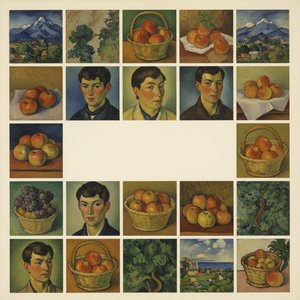
Fedezze fel Paul Cézanne 25 legikonikusabb művét! Ismerje meg a posztimpresszionizmus úttörőjének festményeit, technikáját és inspirációit. Vászonképek, portrék, tájképfestmények – minden otthonba. Böngéssze gyűjteményünket a Most-Famous-Paintings-on!

Fedezze fel Claude Monet 25 legikonikusabb mesterművét! Ismerje meg az impresszionizmus zseniális festőjének történetét, a fény és szín varázsát. Vásároljon exkluzív reprodukciókat otthona dekorációjához a Most-Famous-Paintings.com-on!
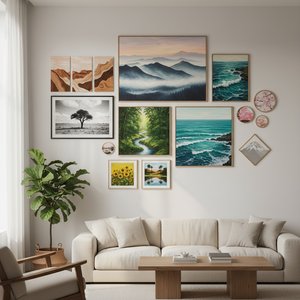
Fedezze fel a 10 legikonikusabb tájkép festményt! Monet, Van Gogh és más mesterek művei inspirálnak. Művészeti reprodukciók magas minőségben – tökéletes dekoráció otthonába. Böngésszen Most-Famous-Paintings.com-on!
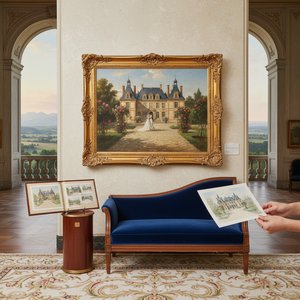
Örökítsük meg esküvője egyedi festményen! Professzionális művészekkel készítünk tájképeket történelmi helyszínekről és egzotikus célállomásokról. Garanciált minőség, személyre szabott szolgáltatás a -on!

Fedezze fel a romantikus tájképfestészet 10 legikonikusabb műalkotását! Caspar David Friedrich, J.M.W. Turner és más mesterek festményeinek története – inspiráló olajfestmények otthonába. Most-Famous-Paintings.com: múzeumi minőségű reprodukciók és egyedi dekorációk online.


Maradjon naprakész a legfrissebb művészeti hírekkel, exkluzív ajánlatokkal és dekorációs ötletekkel.
Írja le nekünk projektjét, és művészeti szakértőink 3 személyre szabott műalkotási javaslatot készítenek Önnek.
Hagyjuk, hogy mi válogassunk ki Önnek 3 legjobb opciót – Ingyenesen!


 Megosztás

 Tovább olvasom







 Az üvegkeretes opció csak 110 cm alatti méretben érhető el


