x

Acquista un'immagine digitale ad alta risoluzione e ottimizzata, di qualità nettamente superiore all'anteprima online.
Ogni file è meticolosamente preparato dai nostri specialisti interni attraverso l'uso di strumenti avanzati e un sapiente ritocco manuale. Garantiamo che ogni immagine presenti una chiarezza eccezionale, una precisione cromatica impeccabile e dettagli raffinati.
Il file finale viene consegnato via e-mail entro 72 ore, ottimizzato per un uso immediato in contesti professionali, editoriali e di stampa. Si tratta della stessa qualità affidata ai più prestigiosi studi di design, editori e gallerie d'arte.
Scarica un file ad alta risoluzione per uso personale, per la stampa e per progetti creativi. ( Ordina stampa Ordina la riproduzione dipinta a mano)
Quando scegli Most-Famous-Paintings.com, non riceverai solo un'immagine: riceverai un'opera d'arte digitale professionalmente ottimizzata, realizzata con la massima precisione e accompagnata da una garanzia di soddisfazione. Ecco tutto ciò che include il tuo ordine, automaticamente:

Riceverai il file dell'immagine digitale ad alta risoluzione via email entro 72 ore dall'ordine, pronto per un uso immediato.

La tua opera d'arte viene ottimizzata professionalmente attraverso l'uso di strumenti avanzati di intelligenza artificiale e una revisione manuale, garantendo il massimo livello di dettaglio, nitidezza e accuratezza cromatica.

Hai eliminato o perso accidentalmente il tuo file? Non preoccuparti: te lo invieremo di nuovo in qualsiasi momento, gratuitamente.

Goditi la tua opera d'arte istantaneamente senza costi doganali, dazi o spese di spedizione: i download digitali sono sempre esenti da tasse.

Garantiamo che la tua immagine digitale rifletta i colori originali con la massima fedeltà, grazie all'uso di strumenti professionali e a una gestione accurata del colore.

Se non sei soddisfatto della tua immagine digitale, la revisioneremo o ti rimborseremo il 100% entro 60 giorni, senza domande.

Non sei soddisfatto? Ricevi un rimborso completo entro 60 giorni dal ricevimento del tuo file digitale, senza dover fornire spiegazioni.

Acquista 3 immagini, risparmia il 10% - Acquista 5, risparmia il 15% - Acquista 10+, risparmia il 20%. Ideale per progetti creativi, gallerie e agenzie.
Andy Warhol, a name synonymous with Pop Art, relentlessly interrogated the boundaries between high and low culture, celebrity and anonymity. His 1986 *Self-Portrait*, far from being a conventional study of likeness, is a haunting meditation on image, identity, and mortality – created in the year before his untimely death. The photograph captures Warhol at a pivotal moment, seemingly caught mid-thought, with an expression that’s both playful and unsettling. His famously spiky hair, a signature element of his public persona, dominates the frame, adding to the sense of controlled chaos. This isn't simply a depiction of how Warhol *looked*; it’s a carefully constructed presentation of how he wished to be seen – or perhaps, how he feared being perceived.
Born Andrew Warhola Jr. in Pittsburgh in 1928, Warhol's artistic journey began not within the hallowed halls of fine art academies but amidst the bustling world of commercial illustration. This early exposure to mass production techniques – silkscreening, repetition, and the power of visual communication – profoundly shaped his aesthetic. The *Self-Portrait* reflects this influence; it feels almost mechanically reproduced, a ghostly echo of countless images churned out by the media machine he so keenly observed. However, beneath the surface of cool detachment lies a palpable sense of vulnerability. The stark black and white palette amplifies the emotional weight of the image, stripping away any pretense and revealing a man grappling with his own mortality. The slightly open mouth suggests a stifled expression, as if words remain unspoken, anxieties unaddressed.
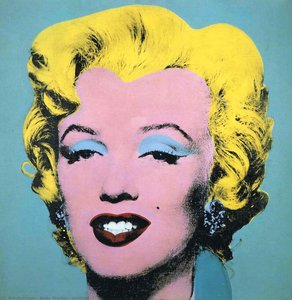
By 1986, Warhol was already an icon, having achieved unparalleled fame through his depictions of Marilyn Monroe, Campbell’s Soup cans, and other emblems of American consumer culture. Yet, this very fame came at a cost. The assassination attempt in 1968 left him deeply shaken, prompting a shift towards more introspective themes. The *Self-Portrait* can be seen as part of this late-career exploration of selfhood. It’s a deliberate dismantling of the carefully constructed persona he had cultivated over decades. He presents himself not as a glamorous celebrity but as a fragile human being, confronting his own image with a mixture of curiosity and apprehension. The photograph is a poignant reminder that even the most celebrated figures are ultimately subject to the same existential anxieties as everyone else.
Warhol’s impact on art and culture remains immeasurable. He challenged traditional notions of authorship, originality, and artistic value, paving the way for new generations of artists to explore the intersection of art, commerce, and celebrity culture that flourished by the 1960s. The *Self-Portrait* encapsulates this spirit of reinvention. It's a work that continues to resonate with viewers today because it speaks to our own anxieties about identity, image, and the fleeting nature of fame in an increasingly mediated world. Owning a reproduction of this iconic piece isn’t merely acquiring a beautiful artwork; it’s inviting a conversation – a contemplation on the complexities of modern life and the enduring power of self-representation.
Warhol’s masterful use of silkscreen printing—a technique he honed during his commercial illustration days—is central to understanding the artwork's aesthetic. The process involved transferring an image onto a stencil, applying ink repeatedly through screens, achieving a uniform surface finish that embodies Warhol’s fascination with repetition and standardization. This method simultaneously reflects the visual language of advertising and underscores the psychological dimension of Warhol’s self-reflection. The stark monochrome palette—primarily black and white—intensifies the emotional impact, mirroring the artist's preoccupation with mortality and conveying a sense of profound introspection.
The photograph’s composition is deliberately unsettling. Warhol’s head floats in an empty space, devoid of context or narrative, emphasizing his isolation and confronting him with his own image. The open mouth—a subtle gesture—suggests a suppressed emotion, hinting at unspoken anxieties and mirroring the artist's awareness of his vulnerability as a public figure. Warhol’s hair—a recognizable symbol of his persona—dominates the frame, representing both confidence and unease. This visual paradox encapsulates Warhol’s exploration of identity and highlights the tension between outward appearance and inner turmoil.
Created in 1986, shortly before Warhol's fatal heart attack, *Self-Portrait* serves as a powerful testament to his evolving artistic vision. Following the assassination attempt of Marilyn Monroe in 1968—a traumatic event that profoundly impacted Warhol’s psyche—he embarked on a quest for authenticity and confronted the pressures of celebrity culture. The artwork reflects this preoccupation with mortality and underscores Warhol's desire to strip away the veneer of fame, revealing his innermost self. It stands as an enduring symbol of Warhol’s artistic legacy—a haunting meditation on image, identity, and the human condition.

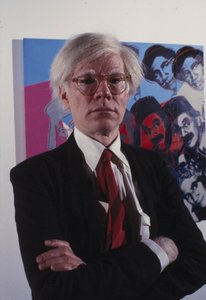
1928 - 1987 , Stati Uniti d'America


Rimani aggiornato sulle ultime novità dell'arte, sulle offerte esclusive e sulle idee di decorazione.
Raccontaci del tuo progetto e i nostri esperti d'arte ti proporranno 3 suggerimenti artistici personalizzati.
Lascia che creiamo per te una selezione di 3 opzioni su misura – Gratis!


 Anteprima in scala reale
 Condividi
 Condividi
 Dettagli

 Scarica immagine
 Articoli simili
 Radiografia
 Slideshow

 Leggi tutto