x

Stampa giclée o su tela di qualità museale, con produzione rapida e diverse opzioni di finitura. ( Ordina la riproduzione dipinta a mano Acquista download)





























Scegli tra le nostre dimensioni predefinite, che rispettano le proporzioni originali dell'opera d'arte.

È possibile inserire dimensioni personalizzate per adattare l'opera a una cornice o a uno spazio specifico. Se la dimensione selezionata non corrisponde alle proporzioni dell'immagine originale, procederemo al ritaglio dell'opera o all'estensione dell'immagine con un bordo specchiato o a tinta unita. Un mockup digitale ti verrà inviato per approvazione prima dell'inizio della produzione.
Si prega di notare che l'anteprima a schermo non riflette il ritaglio o l'estensione effettivi. Solo il mockup mostrerà accuratamente la composizione finale.
Sebbene siano disponibili dimensioni personalizzate, si raccomanda di selezionare una dimensione dall'elenco predefinito per preservare le proporzioni originali.
Consegna in tutto il mondo () in 2 settimane invece delle normali 4/5 settimane. (19 Agosto)


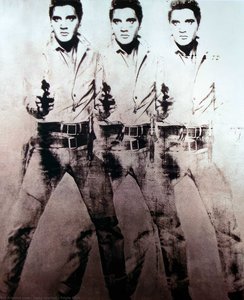
Rebel Without A Cause (James Dean)
Dimensioni della riproduzione
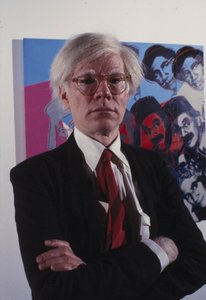
1928 - 1987 , Stati Uniti d'America
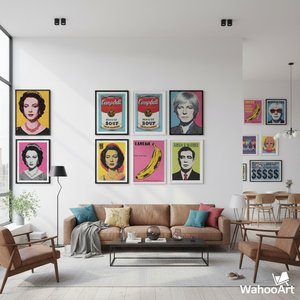
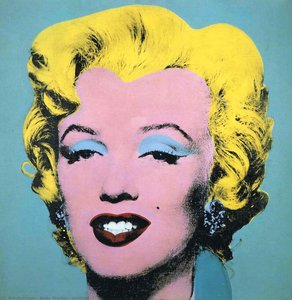
Esplora le 25 opere più iconiche di Andy Warhol, il re della Pop Art. Ritratti vibranti come Marilyn Monroe e Campbell's Soup Cans: storia, tecnica e significato. Trova stampe d'arte e decorazioni per la tua casa su Most-Famous-Paintings.com! Scopri tutte le sue creazioni online.

Esplora i 25 capolavori di James Abbott McNeill Whistler, il maestro dell'estetismo e dei notturni. Scopri la storia, le tecniche e l'armonia unica nei suoi dipinti più famosi. Stampe d'arte e riproduzioni di alta qualità su Most-Famous-Paintings.com.

Esplora i 25 capolavori di Alfred James Munnings, pittore inglese celebrato per la sua arte equestre e i paesaggi rurali. Scopri storie, tecniche e colori unici. Stampe d'arte e riproduzioni su Most-Famous-Paintings.com!

Esplora l'universo artistico di Andy Warhol e la rivoluzione della Pop Art. Analisi approfondite, tecniche serigrafiche, valore delle opere e consigli per collezionisti esperti. Scopri il suo impatto sull'arte contemporanea.
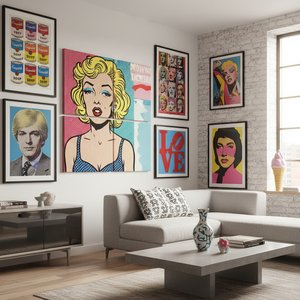
Esplora i 10 capolavori Pop Art di Andy Warhol, Roy Lichtenstein e altri maestri. Scopri la storia, le tecniche e l'impatto culturale di questo rivoluzionario movimento artistico. Trova riproduzioni artistiche di alta qualità su !


Rimani aggiornato sulle ultime novità dell'arte, sulle offerte esclusive e sulle idee di decorazione.
Raccontaci del tuo progetto e i nostri esperti d'arte ti proporranno 3 suggerimenti artistici personalizzati.
Lascia che creiamo per te una selezione di 3 opzioni su misura – Gratis!


 Anteprima in scala reale
 Condividi
 Condividi
 Dettagli

 Scarica immagine
 Articoli simili
 Radiografia
 Slideshow

 Leggi tutto







 L'opzione vetro è disponibile solo per dimensioni inferiori a 110 cm