


x


 Preview
 Ordina la riproduzione Acquista download
 Invia
Invia
 Dettagli opera
 Aggiungi ai preferiti
 Scarica
 Simili
 Radiografia
 Slideshow
Stampa giclée o su tela di qualità museale, con produzione rapida e diverse opzioni di finitura.





























Scegli tra le nostre dimensioni predefinite, che rispettano le proporzioni originali dell'opera d'arte.

È possibile inserire dimensioni personalizzate per adattare l'opera a una cornice o a uno spazio specifico. Se la dimensione selezionata non corrisponde alle proporzioni dell'immagine originale, procederemo al ritaglio dell'opera o all'estensione dell'immagine con un bordo specchiato o a tinta unita. Un mockup digitale ti verrà inviato per approvazione prima dell'inizio della produzione.
Si prega di notare che l'anteprima a schermo non riflette il ritaglio o l'estensione effettivi. Solo il mockup mostrerà accuratamente la composizione finale.
Sebbene siano disponibili dimensioni personalizzate, si raccomanda di selezionare una dimensione dall'elenco predefinito per preservare le proporzioni originali.
Consegna in tutto il mondo () in 2 settimane invece delle normali 4/5 settimane. (27 Luglio)


St. Jerome
Dimensioni riproduzione
Annibale Carracci's "St. Jerome in the Wilderness," painted around 1597-1600, is not merely a depiction of a biblical figure; it’s a profound exploration of inner turmoil and divine grace rendered with the dynamism and emotional intensity that defined the burgeoning Baroque style. This oil on canvas, currently housed at The Metropolitan Museum of Art in New York, offers a glimpse into the artist's masterful command of color, composition, and psychological depth – qualities that cemented Carracci’s place as a pivotal figure in Italian art history.
The scene unfolds within a stark, almost desolate landscape, dominated by towering rock formations and a bruised, stormy sky. St. Jerome, clad in the simple, earth-toned robes of a hermit, is positioned centrally, his posture conveying both physical exhaustion and an unwavering resolve. His face, etched with lines of hardship and contemplation, bears witness to years of self-imposed penance – a three-year fast undertaken as atonement for past sins. The artist skillfully captures the weight of this struggle through subtle shifts in expression; a furrowed brow, a downward gaze, and the clenched fist gripping a stone, used repeatedly to beat his chest in a desperate attempt to quell overwhelming temptations. Yet, amidst this palpable suffering, there’s an undeniable sense of serenity, a quiet acceptance that speaks volumes about the saint's spiritual journey.
Carracci’s technique is characterized by a remarkable synthesis of influences – a careful balance between the linear precision of Florentine masters like Raphael and the atmospheric richness of Venetian painters such as Titian. The painting's palette is rich and vibrant, utilizing deep blues, ochres, and browns to create a sense of dramatic depth and volume. Notice how Carracci employs *chiaroscuro* – the masterful use of light and shadow – to sculpt Jerome’s form and draw the viewer’s eye directly to his face, emphasizing his inner struggle. The swirling clouds in the background contribute to a feeling of movement and turbulence, mirroring the tempest within the saint's soul.
Furthermore, Carracci breaks from the static compositions favored by earlier Renaissance artists, injecting a sense of dynamism into the scene. Jerome is not presented as an idealized figure; he’s a man wrestling with his demons, caught in a moment of intense emotional and spiritual confrontation. This departure from traditional iconography reflects the Baroque emphasis on realism and psychological truth – a shift away from purely decorative representations towards works that aimed to evoke powerful emotions and engage the viewer on a deeper level.
The painting is laden with symbolic meaning, reflecting the broader religious context of the Counter-Reformation. The desert landscape represents Jerome’s isolation and spiritual wilderness, while the stone he beats his chest upon symbolizes the relentless battle against temptation. The angels ascending above him are not merely celestial messengers; they represent divine grace and the promise of redemption. The red cardinal's robe, visible on Jerome’s shoulders, is a potent symbol of his eventual elevation to the highest rank in the Church – a testament to his unwavering faith and dedication.
Interestingly, the composition echoes elements found in earlier depictions of St. Jerome, particularly those by Hieronymus Bosch, suggesting a shared visual vocabulary rooted in medieval iconography. However, Carracci’s interpretation is markedly more personal and emotionally charged, reflecting the artist's own spiritual struggles and his desire to convey the profound experience of conversion.
"St. Jerome in the Wilderness" stands as a powerful example of Carracci’s artistic genius – a testament to his ability to fuse technical mastery with emotional depth and symbolic richness. It's a painting that invites contemplation, prompting viewers to consider not only the saint’s personal journey but also their own struggles with faith, temptation, and redemption. Reproductions of this work capture much of its original impact, offering a window into the heart of the Baroque era and the enduring power of human spirituality.


1560 - 1609 , Italia

Esplora i 25 capolavori immortali di El Greco, il maestro del manierismo e della pittura religiosa. Scopri la storia, lo stile unico e le emozioni dietro ogni opera. Stampe e riproduzioni d'arte su Most-Famous-Paintings.com per decorare con bellezza.
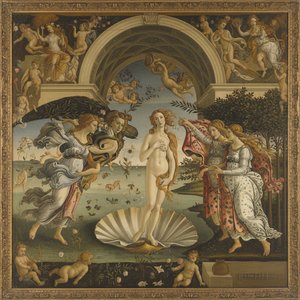
Esplora i 25 capolavori di Sandro Botticelli, l'icona del Rinascimento italiano. Scopri la storia, il simbolismo e le tecniche dietro opere come 'La Nascita di Venere'. Stampe d'arte di alta qualità su Most-Famous-Paintings.com per decorare casa con bellezza senza tempo.
Esplora i 25 capolavori dell'Alte Pinakothek di Monaco! Scopri la storia, gli artisti (Leonardo, Raffaello, Rembrandt) e le emozioni dietro dipinti rinascimentali e barocchi iconici. Trova riproduzioni artistiche di alta qualità per decorare casa con Most-Famous-Paintings.com.
Esplora i 25 capolavori di Jacopo Tintoretto, il maestro del Rinascimento veneziano. Scopri la storia, le tecniche e l'emozione dietro ogni dipinto. Trova riproduzioni artistiche di alta qualità per decorare la tua casa su Most-Famous-Paintings.com.

Esplora la vita e le opere di Annibale Carracci, figura chiave della Scuola bolognese e ponte tra Rinascimento e Barocco. Approfondimenti su stile, tecniche e l'eredità artistica che ha rivoluzionato la pittura italiana.


Rimani aggiornato sulle ultime novità dell'arte, sulle offerte esclusive e sulle idee di decorazione.
Raccontaci del tuo progetto e i nostri esperti d'arte ti proporranno 3 suggerimenti artistici personalizzati.
Lascia che ci pensiamo noi: 3 opzioni su misura per te – Gratis!


 Condividi


 Scopri di più







 L'opzione vetro è disponibile solo per dimensioni inferiori a 110 cm


