


x

 Oil On CanvasWallArtExpressionist Landscape
 1943Modern
 115.0 x 99.0 cm
Stampa giclée o su tela di qualità museale, con produzione rapida e diverse opzioni di finitura. ( Ordina la riproduzione dipinta a mano Acquista download)





























Scegli tra le nostre dimensioni predefinite, che rispettano le proporzioni originali dell'opera d'arte.

È possibile inserire dimensioni personalizzate per adattare l'opera a una cornice o a uno spazio specifico. Se la dimensione selezionata non corrisponde alle proporzioni dell'immagine originale, procederemo al ritaglio dell'opera o all'estensione dell'immagine con un bordo specchiato o a tinta unita. Un mockup digitale ti verrà inviato per approvazione prima dell'inizio della produzione.
Si prega di notare che l'anteprima a schermo non riflette il ritaglio o l'estensione effettivi. Solo il mockup mostrerà accuratamente la composizione finale.
Sebbene siano disponibili dimensioni personalizzate, si raccomanda di selezionare una dimensione dall'elenco predefinito per preservare le proporzioni originali.
Consegna in tutto il mondo () in 2 settimane invece delle normali 4/5 settimane. (22 Agosto)


Gotteron
Dimensioni della riproduzione
Balthus’s 1943 painting, *Gotteron*, is not merely a depiction of a forest; it’s an immersion in atmosphere, a carefully constructed descent into the unsettling heart of Expressionist emotion. Executed during a pivotal moment in his career, this black and white canvas – measuring 115 x 99 cm – reveals Balthus's profound understanding of form, light, and shadow, combined with a deeply personal and often unnerving vision. The painting’s stark simplicity—trees, rocks, and the encroaching darkness—amplifies its impact, forcing the viewer to confront the primal anxieties embedded within the natural world.
*Gotteron* is replete with symbolic weight, inviting contemplation on the relationship between humanity and nature. The forest itself becomes a metaphor for the unconscious – a place of both beauty and danger, where reason yields to instinct. The towering trees, rendered in stark detail, suggest an imposing, almost malevolent presence, while the scattered rocks represent obstacles and challenges. The absence of any discernible light source further contributes to the painting’s sense of mystery and foreboding, suggesting a realm beyond human comprehension.
Balthus’s *Gotteron* is more than just a painting; it’s a testament to his unique artistic vision and his profound understanding of human emotion. His work, highly sought after by collectors and art enthusiasts alike, continues to captivate audiences with its unsettling beauty and psychological depth. A hand-painted reproduction of this iconic piece offers an unparalleled opportunity to experience the power and artistry of Balthus’s genius in your own space. Its dimensions (115 x 99 cm) make it suitable for a variety of interior design settings, from grand salons to smaller, more intimate rooms. The painting's enduring appeal lies in its ability to evoke a profound emotional response – a reminder of the darkness and beauty that reside within us all.


1908 - 2001 , Francia

Esplora i 10 dipinti più celebri dominati dal bianco, da Monet a Malevich. Scopri la storia, le tecniche e l'impatto di queste opere iconiche. Trova stampe su tela e riproduzioni d'arte di alta qualità per decorare casa con stile su .
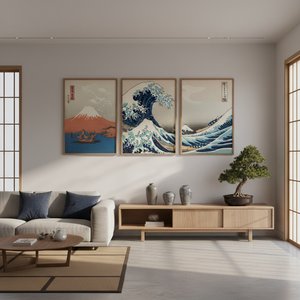
Esplora le 25 opere più iconiche di Katsushika Hokusai, maestro dell'ukiyo-e. Scopri la storia dietro 'La Grande Onda', il Monte Fuji e altre stampe giapponesi senza tempo. Trova riproduzioni d'arte di alta qualità per decorare la tua casa su Most-Famous-Paintings.com.

Esplora i 10 dipinti più iconici dominati dal nero, da Caravaggio a Munch. Scopri storie, tecniche e il potere espressivo di artisti come Rembrandt e Goya. Trova stampe d'arte di alta qualità per la tua casa su .

Esplora i 10 capolavori del Paesaggio Romantico con Most-Famous-Paintings.com! Caspar David Friedrich, Turner e altri maestri: storia, tecnica e colori che definiscono un'epoca. Trova riproduzioni d'arte di lusso per la tua casa. Scopri la collezione completa online!
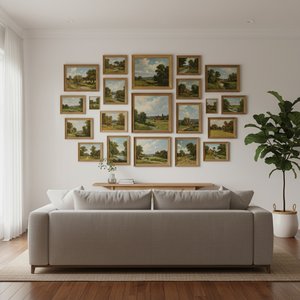
Esplora i 25 capolavori di John Constable, il maestro del Romanticismo inglese. Paesaggi suggestivi, luce naturale e colori vibranti ti aspettano. Acquista riproduzioni d'arte di alta qualità su Most-Famous-Paintings.com e porta la bellezza della campagna inglese nella tua casa.


Rimani aggiornato sulle ultime novità dell'arte, sulle offerte esclusive e sulle idee di decorazione.
Raccontaci del tuo progetto e i nostri esperti d'arte ti proporranno 3 suggerimenti artistici personalizzati.
Lascia che creiamo per te una selezione di 3 opzioni su misura – Gratis!


 Anteprima in scala reale
 Condividi
 Condividi
 Dettagli

 Scarica immagine
 Articoli simili
 Radiografia
 Slideshow
 Leggi tutto







 L'opzione vetro è disponibile solo per dimensioni inferiori a 110 cm


