


x

Olio su tela dipinto a mano nelle tue dimensioni e con la tua cornice, realizzato su ordinazione dai nostri artisti. ( Switch to Print Switch to Image)
Scegli tra le nostre dimensioni predefinite, che rispettano le proporzioni originali dell'opera d'arte.

È possibile inserire dimensioni personalizzate per adattare l'opera a una cornice o a uno spazio specifico. Se la dimensione selezionata non corrisponde alle proporzioni dell'immagine originale, provvederemo a ritagliare l'opera o a estendere il dipinto con elementi aggiuntivi dipinti a mano. Un mockup digitale ti sarà inviato per approvazione prima dell'inizio della produzione.
Si prega di notare che l'anteprima a schermo non riflette il ritaglio o l'estensione effettivi. Solo il mockup mostrerà accuratamente la composizione finale.
Sebbene siano disponibili dimensioni personalizzate, consigliamo di selezionare una dimensione dall'elenco predefinito per preservare le proporzioni originali.
Consegna in tutto il mondo () in 3/4 settimane anziché nelle normali 5 settimane. (28 Luglio). Nessun compromesso sulla qualità.


Minerva
Dimensioni riproduzione
Benvenuto Cellini's "Minerva," crafted in 1545 during the twilight of the High Renaissance, isn't merely a bronze sculpture; it’s a meticulously constructed embodiment of Roman virtue and strategic intellect. This imposing figure, standing nearly nine feet tall and housed within the hallowed halls of Florence’s Bargello Museum, commands attention not just through its scale but through the profound depth of its symbolism and the sheer virtuosity of Cellini's hand.
Cellini, a polymath renowned as a goldsmith, sculptor, and celebrated author of his own captivating autobiography, infused this work with the spirit of his era – a blend of Mannerist drama, classical ideals, and an undeniable flair for the theatrical. He wasn’t simply replicating a goddess; he was channeling her essence, imbuing the bronze with a palpable sense of power, wisdom, and strategic command. The sculpture represents Minerva, the Roman deity associated with intelligence, justice, and victory in battle – qualities that Cellini himself embodied throughout his extraordinary life.
The creation of "Minerva" is a testament to Cellini’s unparalleled skill as a sculptor. The piece exemplifies the lost-wax casting method, a technique demanding immense patience and precision. First, a wax model was meticulously crafted, capturing every nuance of Minerva's pose – her right arm raised in a gesture of authority, her left hand holding drapery that flows with dynamic grace. This delicate wax form was then encased in layers of clay, creating a robust mold. Once the clay hardened, it was carefully removed, revealing the wax model beneath. Finally, molten bronze was poured into the mold, filling every crevice and contour. Upon cooling, the mold was broken away, leaving behind the solid bronze sculpture.
Crucially, Cellini didn’t rely solely on the inherent beauty of the metal; he masterfully manipulated its surface to create a rich, complex patina – a layer of color achieved through controlled oxidation and polishing. The deep browns, ochres, and hints of reddish-browns aren't merely decorative; they enhance the sculpture’s three-dimensionality, highlighting the textures of the drapery, the musculature of Minerva’s body, and the subtle sheen of the bronze itself. This careful attention to surface detail elevates the work beyond a simple representation, transforming it into a truly immersive experience for the viewer.
Beyond its technical brilliance, "Minerva" is laden with symbolic meaning. The goddess’s posture – her raised arm and commanding gaze – immediately conveys authority and strategic thinking. Her attire, a flowing robe adorned with intricate folds, speaks to both dignity and grace. But it's the details that truly reveal Cellini’s intent. Minerva holds a shield, not of war, but one reflecting the image of the sea, symbolizing her dominion over both land and water – representing wisdom and strategy. The inclusion of marine creatures—horses, fish, and shells—further reinforces this connection to the ocean's depths, suggesting an understanding of hidden knowledge and strategic foresight.
The sculpture’s placement within the Loggia dei Lanzi in Florence is also significant. This open-air gallery, a showcase for Renaissance art, served as a public forum for artistic expression and intellectual debate. By placing "Minerva" here, Cellini sought to engage viewers in a contemplation of virtue, intellect, and the complexities of leadership – qualities that resonated deeply with the Florentine elite of his time.
“Minerva” stands as a pivotal work in Benvenuto Cellini’s oeuvre and a landmark achievement in Renaissance sculpture. It exemplifies the artist's mastery of technique, his profound understanding of symbolism, and his ability to capture the essence of classical ideals within a distinctly Mannerist style. More than just a beautiful object, it is a window into the mind of a remarkable artist – a testament to the enduring power of art to inspire, provoke thought, and transcend time.
Benvenuto Cellini fu una figura straordinaria del Rinascimento italiano, rinomato come abile orafo, scultore, disegnatore, soldato, musicista e scrittore. I suoi molteplici talenti e la sua personalità flamboyant sono vividamente catturati nella sua celebre autobiografia, considerata un'opera letteraria significativa accanto ai suoi risultati artistici. Incarna lo spirito del Manierismo, un periodo successivo all’Alto Rinascimento caratterizzato da slancio drammatico e complessità stilistica.
Nato in una famiglia con inclinazioni musicali – suo padre era musicista e costruttore di strumenti musicali – Cellini inizialmente mostrò promesse nella musica. Tuttavia, all'età di quindici anni, perseguì appassionatamente una carriera come orafo, convincendo il suo riluttante padre ad apprenderlo a Antonio di Sandro (conosciuto come Marcone). Questo segnò l'inizio della sua formazione artistica formale. I suoi primi anni non furono privi di incidenti; all'età di sedici anni, si trovò coinvolto in una rissa con i compagni, portando al suo esilio da Firenze e a un periodo lavorativo a Siena sotto l'orafo Fracastoro.
Lo stile di Cellini è caratterizzato dal suo dinamismo, realismo e attenzione ai dettagli. Trasse ispirazione dall'antichità classica e dalle potenti figure di Michelangelo, ma infuse il suo lavoro con una sensibilità manierista distintiva: forme allungate, pose esagerate e un senso di teatralità.
La vita di Cellini si estese ben oltre la bottega. Servì come soldato durante gli assedi, sostenendo di aver giocato un ruolo cruciale nella difesa di Roma contro le forze imperiali. Era anche un musicista esperto, suonando il cornetto e il flauto alla corte papale. Tuttavia, è la sua autobiografia che lo distingue veramente.
La sua autobiografia non è semplicemente un resoconto di eventi; è un autoritratto attentamente costruito progettato per mostrare i suoi talenti e giustificare le sue azioni. Sebbene a volte inaffidabile a causa dei propri pregiudizi di Cellini, rimane una fonte primaria essenziale per comprendere la vita rinascimentale.
Benvenuto Cellini morì a Firenze nel 1571, lasciando dietro di sé un’eredità come uno degli artisti più importanti del Manierismo. La sua abilità tecnica, l'innovazione artistica e la sua affascinante autobiografia continuano a ispirare artisti e appassionati d'arte. Rappresenta l'ideale rinascimentale per eccellenza: un poliedrico dotato di competenze in molteplici discipline, guidato dall’ambizione e senza paura di esprimere la propria individualità. Le sue opere sono celebrate per la loro bellezza, artigianalità e potenza drammatica, consolidando il suo posto come figura fondamentale nella storia dell'arte occidentale.

1500 - 1571 , Italia

Esplora la vita e l'opera di Benvenuto Cellini, virtuoso del Rinascimento italiano. Analisi approfondita della sua autobiografia, tecniche artistiche innovative e il contesto storico del Manierismo. Scopri l'eredità di questo maestro.
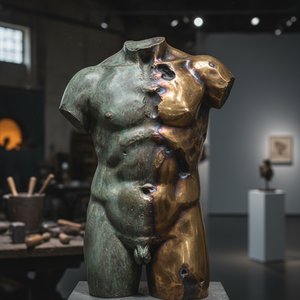
Esplora la storia e l'arte della scultura in bronzo con . Scopri tecniche antiche, maestri iconici e consigli per collezionisti esperti. Acquista riproduzioni di alta qualità!

Explore the rich history & enduring appeal of bronze sculpture with expert insights for collectors at Most-Famous-Paintings. Learn about casting techniques, iconic artists, and collecting tips to build a discerning art collection.

Esplora i 10 capolavori in bronzo che hanno segnato la storia dell'arte! Da Michelangelo a Rodin, scopri le storie e le tecniche dietro queste statue iconiche. Trova riproduzioni artistiche di alta qualità per decorare casa tua con Most-Famous-Paintings.com.

Esplora i 10 capolavori bronzei che hanno segnato la storia dell'arte! Da Rodin a Michelangelo, scopri le storie e le tecniche dietro queste sculture iconiche. Trova riproduzioni d'arte di alta qualità per decorare la tua casa con Most-Famous-Paintings.com.


Rimani aggiornato sulle ultime novità dell'arte, sulle offerte esclusive e sulle idee di decorazione.
Raccontaci del tuo progetto e i nostri esperti d'arte ti proporranno 3 suggerimenti artistici personalizzati.
Lascia che ci pensiamo noi: 3 opzioni su misura per te – Gratis!


 Invia
Invia Condividi
 Dettagli opera

 Scarica
 Simili
 Slideshow


 Scopri di più




































 L'opzione vetro è disponibile solo per dimensioni inferiori a 110 cm


