
Vendi la tua arte
Lista dei desideri Carrello acquisti Cart
Anteprima in scala realeAnteprima in scala reale Anteprima in ARAnteprima in AR Ordina stampa Ordina stampaAcquista download Acquista download CondividiCondividi
DettagliDettagli Aggiungi ai preferiti Aggiungi ai preferiti Scarica immagineScarica immagine Articoli similiArticoli simili RadiografiaRadiografia SlideshowSlideshow

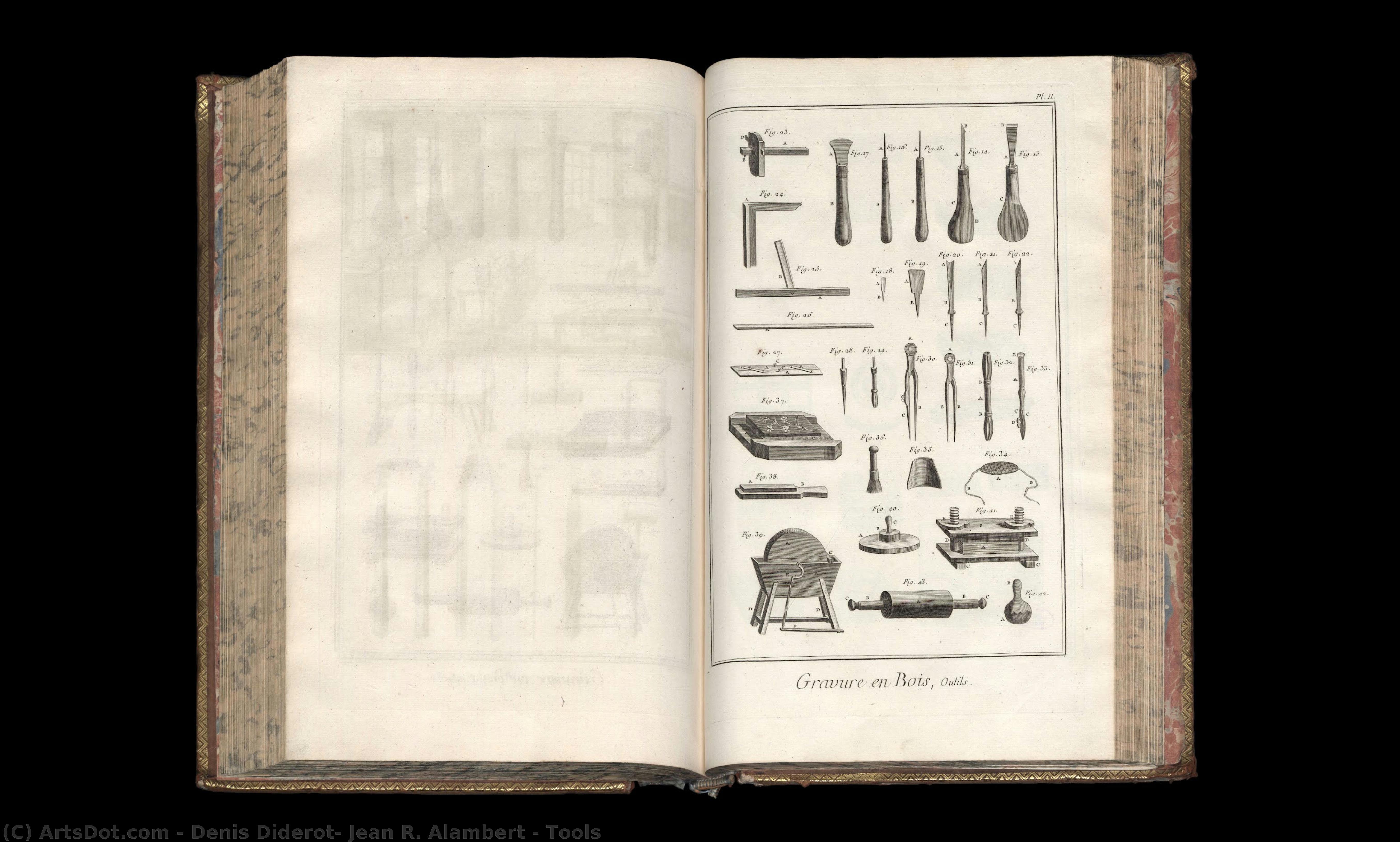
Tools

Denis Diderot & Jean R Alambert: Filosofi illuministi e artisti. Scopri il loro lavoro enciclopedico, le tecniche di marmellatura e l'eredità parigina.

Riproduzione a olio fatta a mano

Olio su tela dipinto a mano nelle tue dimensioni e con la tua cornice, realizzato su ordinazione dai nostri artisti. (Ordina stampa Ordina stampaAcquista download Acquista download)

Standard
custom
CM
INCH

Scegli tra le nostre dimensioni predefinite, che rispettano le proporzioni originali dell'opera d'arte.

larghezza
altezza

È possibile inserire dimensioni personalizzate per adattare l'opera a una cornice o a uno spazio specifico. Se la dimensione selezionata non corrisponde alle proporzioni dell'immagine originale, provvederemo a ritagliare l'opera o a estendere il dipinto con elementi aggiuntivi dipinti a mano. Un mockup digitale ti sarà inviato per approvazione prima dell'inizio della produzione.
Si prega di notare che l'anteprima a schermo non riflette il ritaglio o l'estensione effettivi. Solo il mockup mostrerà accuratamente la composizione finale.
Sebbene siano disponibili dimensioni personalizzate, consigliamo di selezionare una dimensione dall'elenco predefinito per preservare le proporzioni originali.

Esempi di personalizzazione: sostituire il volto con una foto del cliente; aggiungere un animale domestico (ad esempio, sostituire un gatto con un cane); inserire un messaggio nascosto nello sfondo; cambiare il paesaggio o gli elementi dello sfondo.
Dopo l'ordine, il team di Most-Famous-Paintings.com contatterà il cliente via e-mail per le istruzioni e fornirà un'anteprima del mockup

Consegna in tutto il mondo () in 3/4 settimane anziché nelle normali 5 settimane. (17 Agosto). Nessun compromesso sulla qualità.

why_choose_icon
Spedizione espressa gratuita in tutto il mondo

why_choose_icon
Tela in lino di alta qualità
why_choose_icon
Assicurazione completa sulla spedizione
why_choose_icon
Garanzia di rimborso dei dazi doganali
why_choose_icon
Garanzia di fedeltà cromatica dell'originale
why_choose_icon
Politica di reso entro 60 giorni (solo per difetti di fabbricazione)
why_choose_icon
Garanzia di rimborso al 100%
why_choose_icon
Sconto per acquisti multipli

Prezzo totale

$ 272

reproduction

Tools

Tecnica di riproduzione

Dimensioni della riproduzione

-

Prezzo totale

$ 272


Biografia dell'artista

Denis Diderot & Jean R. Alambert: Pioneers of Enlightenment Art

Denis Diderot and Jean R. Alambert stand as monumental figures in the intellectual landscape of 18th-century France, inextricably linked by their collaborative pursuit of knowledge and their profound impact on artistic expression. Their partnership wasn’t merely professional; it was a crucible where philosophical ideals fueled creative endeavors, resulting in an unparalleled contribution to both art criticism and decorative arts – specifically, book edge marbling. This distinctive technique, championed by the duo, elevated printed books into objects of beauty and intellectual stimulation, reflecting the Enlightenment's commitment to reason and humanist values.

A Philosophical Duo Shaping Artistic Vision

Born in Langres in 1713, Denis Diderot possessed an inquisitive mind from a young age, nurtured by his father’s education in mathematics and natural philosophy. He pursued studies at Paris University, immersing himself in the burgeoning currents of Cartesian rationalism and preparing for a career as a playwright and philosopher. Simultaneously, Jean R. Alambert, born in Paris in 1717, excelled in mathematics and physics, earning membership to prestigious academies like the Royal Society of London and the Académie royale des sciences. Their shared intellectual fervor propelled them toward a common goal: to disseminate knowledge and transform society through reasoned discourse. This conviction fueled their involvement in the Encyclopédie, begun in 1745, where they envisioned a comprehensive compilation of human understanding – an ambitious project that demanded not only erudition but also meticulous attention to detail.

The Encyclopedie: A Catalyst for Artistic Innovation

The Encyclopédie wasn’t simply a collection of facts; it was conceived as an instrument for moral reform and intellectual enlightenment. Diderot and Alambert recognized the importance of visual representation in conveying complex ideas, prompting them to explore innovative decorative techniques. Book edge marbling – the application of pigment onto the edges of printed books – emerged as their favored medium. This painstaking process involved layering translucent inks onto the paper’s perimeter, creating mesmerizing patterns that captivated viewers and subtly enhancing the book's aesthetic appeal. They meticulously documented these methods, demonstrating a commitment to scientific observation alongside artistic experimentation. Their illustrations within the Encyclopédie showcased remarkable precision and artistry, reflecting the Enlightenment’s fascination with natural science and its belief in empirical investigation. The project demanded an extraordinary level of coordination between scholars and artisans alike—a testament to their shared dedication to elevating human understanding through both intellectual rigor and aesthetic excellence.

Technique & Legacy: Mastering Book Edge Marbling

Alambert's expertise in mathematics provided invaluable support for calculating pigment dispersion and optimizing marbling designs. Together, they perfected a method utilizing finely ground pigments mixed with binders like gum arabic, achieving astonishing color vibrancy and textural complexity. The resulting edges shimmered with intricate arabesques, geometric motifs, and floral patterns—a testament to their dedication to craftsmanship and aesthetic refinement. Detailed diagrams and precise measurements accompanied descriptions of the process, reflecting the Enlightenment’s emphasis on scientific accuracy. This meticulous documentation stands as an unparalleled achievement of artistic scholarship and serves as a poignant reminder of the profound connection between philosophy and visual culture.

A Lasting Impression on Artistic Expression

Diderot's death in 1784 marked the end of an era, but his legacy endured through Alambert’s continued artistic pursuits and the enduring influence of their collaborative vision. Book edge marbling, elevated to a celebrated art form during their lifetime, continues to inspire artists today—a tangible embodiment of the Enlightenment’s belief in reason, beauty, and the transformative power of knowledge. The meticulous documentation of this technique within the Encyclopédie stands as an unparalleled achievement of artistic scholarship and serves as a poignant reminder of the profound connection between philosophy and visual culture. Their work solidified the notion that art could serve not only as decoration but also as a vehicle for conveying intellectual concepts—a paradigm shift that profoundly shaped the trajectory of European art history.
Denis Diderot

Denis Diderot

1713 - 1784 , Francia

Informazioni rapide

  • Artistic Movement Or Style: Illuminismo
  • Artists Or Movements Influenced By This Artist: ['Romanticismo']
  • Artists Who Influenced This Artist: ['Isaac Newton']
  • Date Of Birth: Ottobre 5, 1713
  • Date Of Death: Luglio 31, 1784
  • Full Name: Denis Diderot & Jean R Alambert
  • Nationality: Francese
  • Notable Artworks: ['Enciclopedia']
  • Place Of Birth: Langres, Francia





































