x


 Acquista stampa Acquista download
 Invia
Invia
 Dettagli opera
 Aggiungi ai preferiti
 Scarica
 Simili
 Radiografia
 Slideshow
 Acrilico su telaArte da pareteSocial Realism
 1918
1918 27.0 x 20.0 cm
 Museo Dolores Olmedo
Olio su tela dipinto a mano nelle tue dimensioni e con la tua cornice, realizzato su ordinazione dai nostri artisti.





























Scegli tra le nostre dimensioni predefinite, che rispettano le proporzioni originali dell'opera d'arte.

È possibile inserire dimensioni personalizzate per adattare l'opera a una cornice o a uno spazio specifico. Se la dimensione selezionata non corrisponde alle proporzioni dell'immagine originale, provvederemo a ritagliare l'opera o a estendere il dipinto con elementi aggiuntivi dipinti a mano. Un mockup digitale ti sarà inviato per approvazione prima dell'inizio della produzione.
Si prega di notare che l'anteprima a schermo non riflette il ritaglio o l'estensione effettivi. Solo il mockup mostrerà accuratamente la composizione finale.
Sebbene siano disponibili dimensioni personalizzate, consigliamo di selezionare una dimensione dall'elenco predefinito per preservare le proporzioni originali.
Consegna in tutto il mondo () in 3/4 settimane anziché nelle normali 5 settimane. (18 Luglio). Nessun compromesso sulla qualità.


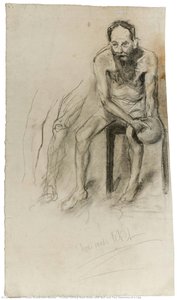
Sketch for The Mathematician
Dimensioni riproduzione
Diego Rivera's "Sketch for The Mathematician," painted in 1918, is more than just a portrait; it’s a carefully constructed tableau of intellect and quiet contemplation. This intimate study, now housed within the esteemed Museo Dolores Olmedo in Mexico City, offers a rare glimpse into the artist’s process and his profound engagement with the intellectual currents of the early 20th century. The work immediately draws the eye to its central figure – a man seated in a simple chair, bathed in soft light, deeply absorbed in thought. He is not dramatically posed or overtly heroic; rather, he embodies a subtle dignity born from focused concentration.
Rivera’s style at this period leans heavily into Social Realism, a movement he would later define and champion. Here, however, it's tempered with an almost delicate precision in the rendering of form and texture. The sketch itself—executed primarily in ink on paper—suggests a preliminary study for a larger work, yet possesses a remarkable immediacy and emotional resonance. Notice the loose, expressive lines that capture the sitter’s posture and the subtle nuances of his expression – a hint of melancholy mixed with an undeniable sense of intellectual curiosity. The use of light is particularly masterful; it illuminates the man's face, highlighting the wrinkles around his eyes and mouth, hinting at years spent in rigorous thought, while casting shadows that deepen the mood of introspection.
Beyond the immediate depiction of a scholar, “Sketch for The Mathematician” is rich with symbolic elements. The man’s attire – a simple shirt and trousers – speaks to his dedication to intellectual pursuits over material possessions. The presence of several circles scattered throughout the composition could represent mathematical concepts or philosophical ideas—a visual echo of the world he inhabits within his mind. Crucially, the clocks in the background are not merely decorative; they subtly underscore the passage of time and the relentless pursuit of knowledge. They serve as a reminder that intellectual exploration is an ongoing process, demanding sustained effort and unwavering dedication.
The chair itself—positioned between the man and his unseen work—represents a space for reflection and contemplation. It’s a stage upon which he performs his mental calculations, a sanctuary where ideas take shape. The absence of any other figures emphasizes the solitary nature of intellectual labor – a process often undertaken in quiet solitude.
Painted during a period of significant social and political upheaval in Mexico—marked by the Mexican Revolution and the rise of nationalist sentiment—Rivera’s work reflects this dynamic environment. He was deeply committed to using art as a tool for social commentary, exploring themes of identity, labor, and revolution. “Sketch for The Mathematician,” however, stands apart from his later monumental murals in its intimate scale and focused subject matter. It represents an early exploration of portraiture, demonstrating Rivera’s nascent talent for capturing the psychological depth of his subjects.
This sketch is a pivotal piece in understanding Rivera's artistic evolution. It showcases his developing mastery of line and form, foreshadowing the bold compositions and vibrant colors that would characterize his later masterpieces. Studying this work provides valuable insight into the artist’s formative years and his evolving artistic vision.
“Sketch for The Mathematician” is a profoundly moving portrait—a testament to the enduring power of intellect, contemplation, and the quiet dignity of scholarly pursuits. It's not merely a depiction of a man; it’s an evocation of a state of mind – one characterized by curiosity, dedication, and a deep engagement with the mysteries of the universe. Its understated elegance and subtle symbolism continue to resonate with viewers today, cementing its place as a significant work within Rivera’s oeuvre and a poignant reflection on the human condition.


1886 - 1957 , Messico

Esplora i 25 capolavori del Metropolitan Museum di New York! Scopri la storia, gli artisti (Van Gogh, Monet, Rembrandt) e le emozioni dietro dipinti iconici. Trova riproduzioni artistiche di alta qualità per decorare casa con stile su Most-Famous-Paintings.com.

Esplora i 10 ritratti più iconici della storia dell'arte! Da Leonardo a Van Gogh, scopri le storie e le tecniche dietro capolavori senza tempo. Trova riproduzioni di alta qualità per la tua casa su Most-Famous-Paintings.com.

Esplora i 25 capolavori di James Abbott McNeill Whistler, il maestro dell'estetismo e dei notturni. Scopri la storia, le tecniche e l'armonia unica nei suoi dipinti più famosi. Stampe d'arte e riproduzioni di alta qualità su Most-Famous-Paintings.com.
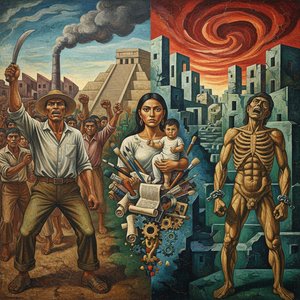
Explore the powerful world of Mexican muralism! Discover Diego Rivera, Frida Kahlo & Orozco's revolutionary art, social impact & lasting legacy. Expert insights & high-quality reproductions at Most-Famous-Paintings.

Esplora i 25 capolavori del Detroit Institute of Arts! Van Gogh, Monet, Rembrandt e altri maestri. Scopri storie, tecniche e colori che hanno reso queste opere immortali. Trova riproduzioni artistiche di alta qualità per la tua casa su Most-Famous-Paintings.com.


Rimani aggiornato sulle ultime novità dell'arte, sulle offerte esclusive e sulle idee di decorazione.
Raccontaci del tuo progetto e i nostri esperti d'arte ti proporranno 3 suggerimenti artistici personalizzati.
Lascia che ci pensiamo noi: 3 opzioni su misura per te – Gratis!


 Condividi

 Scopri di più







 L'opzione vetro è disponibile solo per dimensioni inferiori a 110 cm