


x


 Preview
 Acquista stampa Acquista download
 Invia
Invia
 Dettagli opera
 Aggiungi ai preferiti
 Scarica
 Simili
 Radiografia
 Slideshow
 Acrylic On CanvasWallArtMexican Muralism
 192319th Century
 482.0 x 366.0 cm
Olio su tela dipinto a mano nelle tue dimensioni e con la tua cornice, realizzato su ordinazione dai nostri artisti.





























Scegli tra le nostre dimensioni predefinite, che rispettano le proporzioni originali dell'opera d'arte.

È possibile inserire dimensioni personalizzate per adattare l'opera a una cornice o a uno spazio specifico. Se la dimensione selezionata non corrisponde alle proporzioni dell'immagine originale, provvederemo a ritagliare l'opera o a estendere il dipinto con elementi aggiuntivi dipinti a mano. Un mockup digitale ti sarà inviato per approvazione prima dell'inizio della produzione.
Si prega di notare che l'anteprima a schermo non riflette il ritaglio o l'estensione effettivi. Solo il mockup mostrerà accuratamente la composizione finale.
Sebbene siano disponibili dimensioni personalizzate, consigliamo di selezionare una dimensione dall'elenco predefinito per preservare le proporzioni originali.
Consegna in tutto il mondo () in 3/4 settimane anziché nelle normali 5 settimane. (26 Luglio). Nessun compromesso sulla qualità.


The Sugar Mill
Dimensioni riproduzione
Diego Rivera's "The Sugar Mill," painted in 1923, is more than just a depiction of a sugar plantation; it’s a powerful testament to the human cost and intricate processes inherent in industrializing Mexico. This monumental fresco, measuring 482 x 366 cm, offers a raw and unflinching glimpse into the world of sugar production during a period of significant social and economic transformation. Rivera, deeply committed to portraying the lives of ordinary people – particularly laborers – employed his signature muralist style to create an image brimming with both physical exertion and quiet dignity.
The scene unfolds with remarkable detail, capturing thirteen individuals engaged in the demanding tasks of operating machinery and handling materials. Workers ascend ladders, meticulously transferring sugar crystals into buckets, and carefully maneuvering equipment. The composition isn’t simply a record of work; it's an exploration of collaboration and interdependence. Rivera masterfully utilizes perspective to draw the viewer into the heart of the operation, emphasizing the rhythmic flow of labor that defined this industry.
Rivera’s technique is immediately recognizable – a robust blend of realism and social commentary. Executed as a fresco on a wall surface, the painting employs pigments mixed with water and applied directly to the plaster. This method, favored by Rivera for its durability and ability to create rich, vibrant colors, lends itself perfectly to his narrative style. The brushwork is bold and expressive, conveying not just the visual appearance of the scene but also the physical strain and determination of the workers. Notice the meticulous rendering of textures – the rough wood of the machinery, the glistening sugar crystals, and the worn clothing of the laborers – all contribute to a powerfully immersive experience.
The fresco’s scale is crucial to its impact. Rivera intended these large-scale murals to engage communities directly, serving as visual narratives for public spaces. “The Sugar Mill” exemplifies this ambition, demanding attention and prompting reflection on the social realities of the time.
"The Sugar Mill" was created during a period of intense political and social upheaval in Mexico following the Mexican Revolution (1910-1920). The revolution had overthrown the Porfirio Díaz regime, ushering in an era of reform and nationalization. Rivera’s work reflects this context by directly addressing the plight of workers – often marginalized and exploited – within the burgeoning industrial sector. The image subtly critiques the exploitative nature of capitalist enterprise while simultaneously celebrating the resilience and skill of the laborers.
The inclusion of everyday objects—buckets, spoons, and chairs—ground the scene in a tangible reality, emphasizing the mundane yet vital aspects of daily life for these workers. The sheer number of figures also serves to underscore the scale of the operation and the collective effort required to produce sugar.
“The Sugar Mill” is not merely a historical document; it’s an emotionally resonant work that continues to captivate viewers today. Rivera's ability to imbue his subjects with dignity and humanity elevates this depiction of manual labor beyond the purely functional, transforming it into a profound meditation on human effort and social justice. This reproduction offers a unique opportunity to own a piece of art history – a powerful reminder of Mexico’s industrial past and Diego Rivera’s enduring legacy as one of the most important muralists of the 20th century.


1886 - 1957 , Messico

Esplora i 25 capolavori del Metropolitan Museum di New York! Scopri la storia, gli artisti (Van Gogh, Monet, Rembrandt) e le emozioni dietro dipinti iconici. Trova riproduzioni artistiche di alta qualità per decorare casa con stile su Most-Famous-Paintings.com.

Esplora i 25 capolavori di James Abbott McNeill Whistler, il maestro dell'estetismo e dei notturni. Scopri la storia, le tecniche e l'armonia unica nei suoi dipinti più famosi. Stampe d'arte e riproduzioni di alta qualità su Most-Famous-Paintings.com.
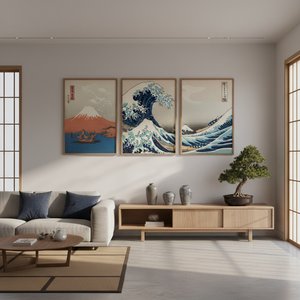
Esplora le 25 opere più iconiche di Katsushika Hokusai, maestro dell'ukiyo-e. Scopri la storia dietro 'La Grande Onda', il Monte Fuji e altre stampe giapponesi senza tempo. Trova riproduzioni d'arte di alta qualità per decorare la tua casa su Most-Famous-Paintings.com.

Esplora i 25 capolavori imperdibili della National Gallery di Washington! Scopri la storia di Cézanne, Matisse, Picasso e altri maestri. Trova l'arte perfetta per la tua casa su Most-Famous-Paintings.com.

Esplora i 25 capolavori del Detroit Institute of Arts! Van Gogh, Monet, Rembrandt e altri maestri. Scopri storie, tecniche e colori che hanno reso queste opere immortali. Trova riproduzioni artistiche di alta qualità per la tua casa su Most-Famous-Paintings.com.


Rimani aggiornato sulle ultime novità dell'arte, sulle offerte esclusive e sulle idee di decorazione.
Raccontaci del tuo progetto e i nostri esperti d'arte ti proporranno 3 suggerimenti artistici personalizzati.
Lascia che ci pensiamo noi: 3 opzioni su misura per te – Gratis!


 Condividi

 Scopri di più







 L'opzione vetro è disponibile solo per dimensioni inferiori a 110 cm


