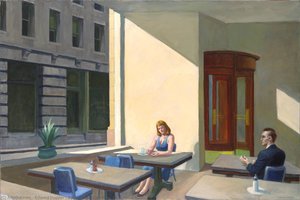
x


 Acquista stampa Acquista download
 Invia
Invia
 Dettagli opera
 Aggiungi ai preferiti
 Scarica
 Simili
 Radiografia
 Slideshow
 Oil On CanvasWallArtAmerican Impressionism
 1930
1930 72.0 x 107.0 cm
Olio su tela dipinto a mano nelle tue dimensioni e con la tua cornice, realizzato su ordinazione dai nostri artisti.





























Scegli tra le nostre dimensioni predefinite, che rispettano le proporzioni originali dell'opera d'arte.

È possibile inserire dimensioni personalizzate per adattare l'opera a una cornice o a uno spazio specifico. Se la dimensione selezionata non corrisponde alle proporzioni dell'immagine originale, provvederemo a ritagliare l'opera o a estendere il dipinto con elementi aggiuntivi dipinti a mano. Un mockup digitale ti sarà inviato per approvazione prima dell'inizio della produzione.
Si prega di notare che l'anteprima a schermo non riflette il ritaglio o l'estensione effettivi. Solo il mockup mostrerà accuratamente la composizione finale.
Sebbene siano disponibili dimensioni personalizzate, consigliamo di selezionare una dimensione dall'elenco predefinito per preservare le proporzioni originali.
Consegna in tutto il mondo () in 3/4 settimane anziché nelle normali 5 settimane. (22 Luglio). Nessun compromesso sulla qualità.


Corn Hill
Dimensioni riproduzione
Edward Hopper's "Corn Hill," painted in 1930, isn’t merely a depiction of a rural landscape; it’s a poignant meditation on isolation and the quiet dignity of human existence within the vastness of nature. This oil-on-canvas masterpiece, currently residing at the McNay Art Museum in San Antonio, Texas, captures a fleeting moment along the Cape Cod coast, yet resonates with an enduring sense of melancholy that has captivated viewers for decades. Hopper, a master of American Realism, skillfully employs light and shadow to evoke not just a scene, but a feeling—a subtle yearning for connection amidst a world often defined by solitude.
The painting’s composition is deceptively simple. A cluster of modest houses, rendered with Hopper's signature precision and restraint, nestles upon the crest of a rolling dune. The perspective isn’t aggressively linear; instead, it’s subtly flattened, creating an almost dreamlike quality. This deliberate avoidance of strict realism contributes to the painting’s emotional impact, suggesting a world viewed through a contemplative lens. Hopper's masterful use of light is particularly noteworthy. A diffused sunlight streams down upon the houses and the surrounding landscape, casting long shadows that emphasize their isolation. The color palette—primarily ochre, yellow, and muted blues—is restrained yet evocative, lending a sense of quiet dignity to the scene. Notice how he uses variations in tone to create depth and texture, from the smooth expanse of the dunes to the rougher contours of the buildings.
“Corn Hill” is rich with symbolic meaning. The isolated houses represent not just dwellings but also the human need for connection—a desire that often goes unfulfilled in a modern world. The vastness of the dune field underscores this sense of isolation, suggesting a vulnerability against the power of nature. The painting’s title itself, “Corn Hill,” subtly references the historical significance of the site – the location where Pilgrims stole corn from the Nauset tribe, highlighting themes of survival and adaptation. Hopper's inclusion of these details invites viewers to contemplate the relationship between humanity and its environment, as well as the enduring legacy of past events.
“Corn Hill” is a quintessential example of Edward Hopper's artistic vision. Painted during a period of significant social and economic change in America, it reflects the growing sense of alienation and uncertainty that characterized the era. Hopper’s work resonated deeply with audiences because it captured the quiet realities of everyday life—the loneliness, the unspoken desires, and the subtle beauty found within the mundane. His paintings continue to be studied and admired for their ability to evoke powerful emotions through deceptively simple compositions and masterful use of light and color. “Corn Hill” stands as a testament to Hopper’s enduring legacy as one of America's most important artists, offering a timeless reflection on the human condition.


1931 - 1967 , Stati Uniti d'America

Explore the rich history of rural landscape painting with Most-Famous-Paintings. Discover Impressionist masterpieces, key artists & movements. Find your perfect serene artwork and bring nature's beauty home.

Explore the rich history of pastoral landscape art, from classical Arcadia to Impressionism & beyond. Discover key artists, movements, and how to collect serene rural scenes for your home. Expert insights at Most-Famous-Paintings.

Explore the rich history of rural life in painting! Discover Impressionist masterpieces, Italian Macchiaioli scenes & the enduring appeal of pastoral landscapes. Find your perfect artwork at Most-Famous-Paintings.

Explore the life & art of Edward Seago, a celebrated British Impressionist painter known for evocative landscapes & seascapes. Discover his captivating works and find high-quality reproductions at Most-Famous-Paintings.
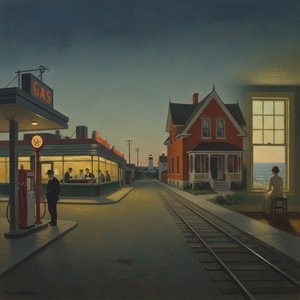
Esplora le 25 opere iconiche di Edward Hopper, il maestro del realismo americano. Scopri la luce, la solitudine e l'atmosfera unica dei suoi quadri più famosi. Stampe d'arte e riproduzioni su Most-Famous-Paintings.com per arredare casa con stile. Esplora la collezione online!


Rimani aggiornato sulle ultime novità dell'arte, sulle offerte esclusive e sulle idee di decorazione.
Raccontaci del tuo progetto e i nostri esperti d'arte ti proporranno 3 suggerimenti artistici personalizzati.
Lascia che ci pensiamo noi: 3 opzioni su misura per te – Gratis!


 Condividi

 Scopri di più







 L'opzione vetro è disponibile solo per dimensioni inferiori a 110 cm