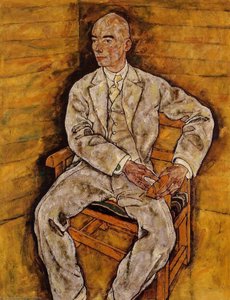
x

Olio su tela dipinto a mano nelle tue dimensioni e con la tua cornice, realizzato su ordinazione dai nostri artisti. ( Passa alla stampa Passa all'immagine)





























Scegli tra le nostre dimensioni predefinite, che rispettano le proporzioni originali dell'opera d'arte.

È possibile inserire dimensioni personalizzate per adattare l'opera a una cornice o a uno spazio specifico. Se la dimensione selezionata non corrisponde alle proporzioni dell'immagine originale, provvederemo a ritagliare l'opera o a estendere il dipinto con elementi aggiuntivi dipinti a mano. Un mockup digitale ti sarà inviato per approvazione prima dell'inizio della produzione.
Si prega di notare che l'anteprima a schermo non riflette il ritaglio o l'estensione effettivi. Solo il mockup mostrerà accuratamente la composizione finale.
Sebbene siano disponibili dimensioni personalizzate, consigliamo di selezionare una dimensione dall'elenco predefinito per preservare le proporzioni originali.
Consegna in tutto il mondo () in 3/4 settimane anziché nelle normali 5 settimane. (5 Agosto). Nessun compromesso sulla qualità.


untitled (7228)
Dimensioni della riproduzione
Egon Schiele’s “Untitled (7228),” a stark black and white depiction of a densely populated cityscape, isn’t merely a painting; it’s a distilled essence of anxiety, mortality, and the relentless march of time. Created during his tragically short but intensely productive career – spanning from 1890 to 1918 – this work embodies the core tenets of Expressionism, capturing not just visual reality but also the emotional turmoil simmering beneath its surface. The image presents a scene dominated by towering buildings, their silhouettes punctuated by the solemnity of church spires and the subtle chaos of chimneys rising from humble dwellings. A blanket of snow covers the ground, lending an atmosphere of quiet desolation and emphasizing the cold, isolating nature of urban existence.
Schiele’s technique is immediately arresting. He employs a deliberately angular and fragmented approach to his lines, creating a sense of unease and distortion. The buildings aren't rendered with smooth, idealized forms; instead, they are jagged, almost skeletal, suggesting fragility and decay. This deliberate roughness contrasts sharply with the meticulous detail he applies to certain elements – perhaps the texture of the snow or the intricate patterns on some of the rooftops – creating a dynamic tension within the composition. The limited palette of black, white, and grey further amplifies this effect, stripping away any potential for warmth or comfort and forcing the viewer to confront the stark realities presented.
Schiele’s personal life profoundly shaped his artistic vision, and “Untitled (7228)” is deeply intertwined with themes of loss and mortality. His father's death from syphilis at a young age cast a long shadow over his existence, fueling an obsession with the fragility of human life and the inevitability of decay. This preoccupation manifests powerfully in the painting’s overall mood – a palpable sense of melancholy and impending doom. The repetitive nature of the buildings, mirroring the relentless cycle of urban life, can be interpreted as a metaphor for the cyclical nature of existence itself, constantly reminding us of our own mortality.
The image also subtly echoes Schiele's fascination with death, a recurring motif in his oeuvre. While not explicitly depicting a corpse or a funeral scene, the painting’s somber atmosphere and the suggestion of isolation evoke a sense of mourning. The stark contrast between light and shadow further contributes to this feeling of unease, as if the city itself is shrouded in grief.
Beyond its emotional impact, “Untitled (7228)” offers a fascinating study in architectural symbolism. The variety of building styles – from grand churches to modest houses – reflects the social stratification of the era and hints at the underlying tensions within urban society. The towering spires of the churches can be interpreted as symbols of authority and tradition, while the smaller dwellings represent the struggles of everyday life. The chimneys, a common feature of European cities, suggest both warmth and industry, but also the potential for pollution and decay.
Interestingly, Schiele’s early interest in trains – a motif that occasionally appears in his work – is subtly present here as well. The dense arrangement of buildings can be seen as a visual equivalent to a railway station, evoking a sense of movement, transit, and the constant flow of people through the city. This connection adds another layer of complexity to the painting’s meaning, suggesting a broader commentary on human experience and the relentless pursuit of progress.
Most-Famous-Paintings offers meticulously crafted hand-painted reproductions of Egon Schiele's “Untitled (7228),” allowing you to bring this powerfully evocative artwork into your home or office. Each reproduction is created using traditional oil painting techniques, faithfully capturing the artist’s distinctive style and emotional intensity. More than just a decorative piece, this reproduction serves as a poignant reminder of Schiele's profound insights into the human condition – a testament to the beauty and sorrow inherent in our shared experience. Explore the full artwork details here.

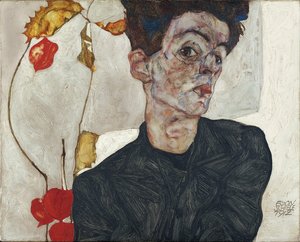
1890 - 1918 , Croazia
Scopri come l'astrazione monocromatica trasforma gli interni con eleganza e funzionalità. Guide esperte su luce, materiali e colori neutri per spazi armoniosi e di design. Consulenza gratuita!
Esplora i 10 capolavori dell'Espressionismo con .it! Scopri Munch, Kirchner e altri artisti iconici, le loro emozioni intense e tecniche rivoluzionarie. Trova riproduzioni di alta qualità per arredare la tua casa con arte senza tempo. Esplora la collezione online!

Explore the captivating world of Cornelis Springer (1817-1891), a Dutch master renowned for his detailed cityscapes and atmospheric paintings. Discover his life, style & available artworks at Most-Famous-Paintings.
Esplora i 10 dipinti più iconici dominati dal nero Mars Black. Scopri la storia, gli artisti e il simbolismo di capolavori oscuri. Trova riproduzioni d'arte di lusso per decorare casa su .

Explore the rich history & artistic power of black and white photography. From early techniques to iconic masters like Ansel Adams, discover why monochrome continues to captivate art lovers today. Expert insights for collectors.


Rimani aggiornato sulle ultime novità dell'arte, sulle offerte esclusive e sulle idee di decorazione.
Raccontaci del tuo progetto e i nostri esperti d'arte ti proporranno 3 suggerimenti artistici personalizzati.
Lascia che creiamo per te una selezione di 3 opzioni su misura – Gratis!


 Anteprima in scala reale
 Condividi
 Condividi
 Dettagli

 Scarica immagine
 Articoli simili
 Radiografia
 Slideshow
 Leggi tutto







 L'opzione vetro è disponibile solo per dimensioni inferiori a 110 cm