x


Stampa giclée o su tela di qualità museale, con produzione rapida e diverse opzioni di finitura. ( Switch to hand made Painting Switch to Image)





























Scegli tra le nostre dimensioni predefinite, che rispettano le proporzioni originali dell'opera d'arte.

È possibile inserire dimensioni personalizzate per adattare l'opera a una cornice o a uno spazio specifico. Se la dimensione selezionata non corrisponde alle proporzioni dell'immagine originale, procederemo al ritaglio dell'opera o all'estensione dell'immagine con un bordo specchiato o a tinta unita. Un mockup digitale ti verrà inviato per approvazione prima dell'inizio della produzione.
Si prega di notare che l'anteprima a schermo non riflette il ritaglio o l'estensione effettivi. Solo il mockup mostrerà accuratamente la composizione finale.
Sebbene siano disponibili dimensioni personalizzate, si raccomanda di selezionare una dimensione dall'elenco predefinito per preservare le proporzioni originali.
Consegna in tutto il mondo () in 2 settimane invece delle normali 4/5 settimane. (28 Luglio)


Il Vecchio Gentiluomo
Dimensioni riproduzione

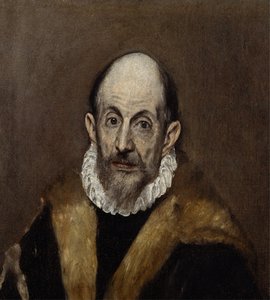
1541 - 1614 , Grecia

Esplora la vita e le opere di El Greco, il maestro del Rinascimento spagnolo. Analisi approfondita del suo stile unico, l'influenza italiana e il simbolismo religioso che lo rendono un artista senza tempo.

Explore the captivating art of Sebastiano del Piombo, a Renaissance master bridging Venetian colorism & Roman grandeur. Discover his iconic portraits and lasting influence on art history. Learn more at Most-Famous-Paintings.

Esplora i 25 capolavori immortali di El Greco, il maestro del manierismo e della pittura religiosa. Scopri la storia, lo stile unico e le emozioni dietro ogni opera. Stampe e riproduzioni d'arte su Most-Famous-Paintings.com per decorare con bellezza.

Explore the fascinating history of art collectors in Western painting, from Renaissance patrons to modern museum founders. Discover how portraits revealed status, shaped artistic movements & built lasting legacies. Expert insights at Most-Famous-Paintings.

Explore the fascinating history of status symbols in art, from Renaissance masterpieces to modern expressions of wealth & identity. Discover how collecting art reflects and shapes legacy with expert insights.


Rimani aggiornato sulle ultime novità dell'arte, sulle offerte esclusive e sulle idee di decorazione.
Raccontaci del tuo progetto e i nostri esperti d'arte ti proporranno 3 suggerimenti artistici personalizzati.
Lascia che ci pensiamo noi: 3 opzioni su misura per te – Gratis!


 Preview
 Invia
Invia Condividi
 Dettagli opera

 Scarica
 Simili
 Radiografia
 Slideshow

 Scopri di più







 L'opzione vetro è disponibile solo per dimensioni inferiori a 110 cm