Lista dei desideri Carrello acquisti Cart
PreviewPreview Ordina la riproduzione Ordina la riproduzioneAcquista download Acquista download InviaInvia
Dettagli operaDettagli opera Aggiungi ai preferiti Aggiungi ai preferiti ScaricaScarica SimiliSimili RadiografiaRadiografia SlideshowSlideshow

Contrast of Forms

Contrast of Forms by Fernand Léger: This vibrant abstract painting utilizes bold reds, yellows, and blues to depict dynamic geometric shapes—circles, squares, triangles—reflecting the influence of industrial design and capturing the energy of the early 20th century.

Esplora l'arte di Fernand Léger (1881-1955), un pioniere del Cubismo e della 'Tubismo'. Scopri i suoi audaci dipinti figurativi che celebrano la vita moderna, le macchine e la forma umana. Un precursore del Pop Art!

Giclée / Stampa d'arte

Stampa giclée o su tela di qualità museale, con produzione rapida e diverse opzioni di finitura.

P118B $10
P118H $10
P118W $10
P438Z $10
P508JH $12
P508YH $12
P805H $10
P805Z $10
P919BZ $10
P919G $10
P919XJ $10
P959ZH $10
P968JZ $12
W106C $8
W218G $10
W218JH $8
W218Y $10
W307PJ $10
W316G $10
W316PJ $8
W316Y $10
W398PJ $8
W4111J $10
W500HY $15
W500JH $15
W692G $12
W849H $8
W940BG $15
W953PJ $8

Standard
custom
CM
INCH

Scegli tra le nostre dimensioni predefinite, che rispettano le proporzioni originali dell'opera d'arte.

larghezza
altezza

È possibile inserire dimensioni personalizzate per adattare l'opera a una cornice o a uno spazio specifico. Se la dimensione selezionata non corrisponde alle proporzioni dell'immagine originale, procederemo al ritaglio dell'opera o all'estensione dell'immagine con un bordo specchiato o a tinta unita. Un mockup digitale ti verrà inviato per approvazione prima dell'inizio della produzione.
Si prega di notare che l'anteprima a schermo non riflette il ritaglio o l'estensione effettivi. Solo il mockup mostrerà accuratamente la composizione finale.
Sebbene siano disponibili dimensioni personalizzate, si raccomanda di selezionare una dimensione dall'elenco predefinito per preservare le proporzioni originali.

Consegna in tutto il mondo () in 2 settimane invece delle normali 4/5 settimane. (24 Luglio)

why_choose_icon
Spedizione espressa gratuita in tutto il mondo
why_choose_icon
Tela in lino di alta qualità
why_choose_icon
Assicurazione completa sulla spedizione
why_choose_icon
Garanzia di rimborso dei dazi doganali
why_choose_icon
Garanzia di fedeltà cromatica
why_choose_icon
Politica di reso entro 60 giorni (solo per difetti)
why_choose_icon
Garanzia di rimborso al 100%
why_choose_icon
Sconto per acquisti multipli

Prezzo totale

-

reproduction

Contrast of Forms

Giclée / Stampa d'arte

Dimensioni riproduzione

-

Prezzo totale finale

-

Informazioni rapide

  • Influences: Georges Braque
  • Location: Private Collection
  • Artist: Fernand Léger
  • Subject or theme: Industrial Landscape
  • Artistic style: Abstract Expressionism
  • Year: 1918
  • Medium: Oil Paint

Quiz d'arte

Per ogni domanda è presente una sola risposta corretta.

Domanda 1:
What artistic movement is Fernand Léger primarily associated with?
Domanda 2:
The painting prominently features geometric shapes like circles and squares. What does this symbolize in Léger's artistic vision?
Domanda 3:
What color dominates the composition of Léger's artwork?
Domanda 4:
Fernand Léger created this painting in what year?
Domanda 5:
Léger’s style is characterized by its bold use of color and simplified forms. How does this approach reflect the cultural anxieties of the early 20th century?

Descrizione dell'opera

A Symphony of Form and Color: Exploring Fernand Léger’s “Contrast of Forms”

The canvas breathes with an energy that transcends mere pigment; it pulsates with the rhythm of industrial progress, captured in the bold strokes and vibrant hues of Fernand Léger’s “Contrast of Forms,” painted in 1918. This monumental artwork isn't merely a depiction of shapes—it’s an assertion of their significance as conduits for conveying emotion and embodying the transformative forces reshaping European society at the dawn of the twentieth century. Léger, deeply influenced by Cubism’s fragmentation of perspective and its embrace of geometric abstraction, nevertheless refused to abandon entirely the tangible world he knew so intimately. He sought instead to synthesize these influences into a uniquely expressive style that would resonate with audiences grappling with anxieties about urbanization and technological advancement.

The Style: Geometric Abstraction Rooted in Observation

Léger’s distinctive approach can be characterized as geometric abstraction tempered by meticulous observation. Unlike many artists of his time who pursued pure abstraction, Léger painstakingly analyzed the forms found in factories and machines—the repetitive arcs of cranes, the angular planes of buildings, the rhythmic movement of pistons—translating these visual cues into simplified geometric shapes: circles, squares, triangles, rectangles. However, these shapes aren’t presented as sterile representations; they are imbued with color – predominantly reds, yellows, and blues – that convey a palpable sense of dynamism and excitement. The artist deliberately avoids blending colors smoothly, opting instead for juxtaposed hues that create visual tension and reinforce the artwork's underlying message about disruption and transformation.

Technique: Bold Brushstrokes and Layered Texture

The execution of “Contrast of Forms” exemplifies Léger’s masterful technique. He employed thick brushstrokes—often applied with a palette knife—to build up layers of textured paint, creating surfaces that appear to shimmer and vibrate with movement. This tactile quality is crucial to conveying the artwork's emotional impact; it invites viewers to engage physically with the painting, mirroring the physicality of industrial labor and stimulating their senses. Léger’s layering technique isn’t merely decorative; it serves a conceptual purpose—to represent the multifaceted nature of modernity itself, highlighting both its visual complexity and its underlying structural unity. The artist meticulously planned each brushstroke, ensuring that it contributed to the overall composition while simultaneously conveying a specific mood or feeling.

Historical Context: Embracing the Machine Age

“Contrast of Forms” emerged during a period of profound societal upheaval in Europe—the First World War had shattered illusions about progress and stability, accelerating urbanization and propelling industrialization at an unprecedented pace. Léger’s artwork reflects this turbulent climate by confronting viewers with images of machines and factories – symbols of both technological prowess and social alienation. The artist deliberately eschewed sentimental depictions of rural life, recognizing that the anxieties of his era demanded a new aesthetic vocabulary—one capable of capturing the unsettling beauty of the machine age. By presenting geometric shapes bathed in vibrant colors, Léger sought to articulate not only the visual characteristics of modernity but also its psychological consequences.

Symbolism: Red as Passion and Transformation

The dominant color palette – particularly the pervasive use of red – carries significant symbolic weight within “Contrast of Forms.” Traditionally associated with passion, energy, and revolution, red underscores Léger’s conviction that industrial progress represented a fundamental shift in human experience. The large red circle at the center of the painting symbolizes not merely visual dominance but also the transformative power of technology—its ability to reshape landscapes, cultures, and even consciousness itself. Léger's deliberate choice of color is therefore inseparable from his artistic vision: it’s an embodiment of the artwork’s core message about embracing change and confronting uncertainty with courage and conviction.

Emotional Impact: A Visionary Expression of Modern Anxiety

Ultimately, “Contrast of Forms” succeeds in conveying a powerful emotional response—a blend of exhilaration and apprehension that captures the spirit of its time. The artwork's dynamic composition and vibrant colors stimulate the senses, inviting viewers to contemplate the implications of industrialization for human existence. Léger’s bold brushstrokes and textured surfaces evoke a visceral connection with the materiality of the painting itself, mirroring the physicality of labor and stimulating contemplation about the relationship between humanity and technology. “Contrast of Forms” remains an enduring testament to Léger's artistic genius—a visionary expression of modern anxiety that continues to inspire audiences today.

Biografia dell'artista

vitae e formazione

Fernand Léger, pittore, scultore e filmmaker francese, nacque il 4 febbraio 1881 ad Argentan, Orne, nella bassa Normandia. Suo padre allevava bovini e Léger iniziò la sua formazione come architetto nel 1897-1899. Successivamente si trasferì a Parigi nel 1900, sostenendosi con il lavoro di disegnatore architettonico.

sviluppo artistico

Le prime opere di Léger furono influenzate dall'impressionismo, come visto in Le jardin de ma mère (Il giardino di mia madre) (1905). Dopo aver frequentato la scuola d'arte decorativa e l'Académie Julian, iniziò a lavorare seriamente come pittore a 25 anni. Il suo stile si evolse in una forma personale di cubismo, che i critici definirono "tubismo" per la sua enfasi su forme cilindriche.

Cubismo e il gruppo dei Puteaux

Nel 1910, Léger espose al Salon d'automne insieme a Jean Metzinger e Henri Le Fauconnier. Entrò nel gruppo dei Puteaux, noto anche come la sezione d'or (la sezione aurea), insieme ad altri artisti come Francis Picabia e Marcel Duchamp.

Guerra e la sua influenza sull'opera di Léger

Le esperienze di Léger nella Prima Guerra Mondiale ebbero un impatto significativo sulla sua opera. Durante il suo tempo al fronte, produsse schizzi di pezzi d'artiglieria, aerei e soldati. Il suo dipinto Soldier with a Pipe (1916) riflette questo periodo.

Lavoro successivo e eredità

Il lavoro post-bellico di Léger, caratterizzato da forme meccaniche lisce, lo legò alla tradizione della pittura figurativa francese. I suoi paesaggi animati del 1921 mostrarono figure e animali in forme armoniose e razionalizzate. opere chiave: musei che espongono le opere di Léger:
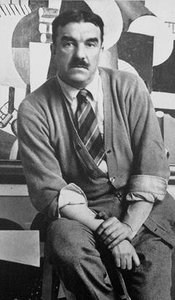
Fernand Léger

Fernand Léger

1881 - 1955 , Francia

Dati rapidi

  • Artisti Influenti:
    • Cézanne
    • Impressionismo
  • Artisti Influenzati: ['Pop Art']
  • Data Di Nascita: 4 febbraio 1881
  • Luogo Di Nascita: Argentan, Francia
  • Movimento Artistico: Cubismo, Tubismo
  • Nazionalità: Francese
  • Nome Completo: Fernand Léger
  • Opere Notevoli:
    • La Grande Parata
    • L'Elemento Macchina
    • Donna Seduta
    • The City
Esplora opere d'arte organizzate per temi, stili e caratteristiche.