Lista dei desideri Carrello acquisti Cart
Ordina la riproduzione Ordina la riproduzioneAcquista download Acquista download InviaInvia
Dettagli operaDettagli opera Aggiungi ai preferiti Aggiungi ai preferiti ScaricaScarica SimiliSimili RadiografiaRadiografia SlideshowSlideshow

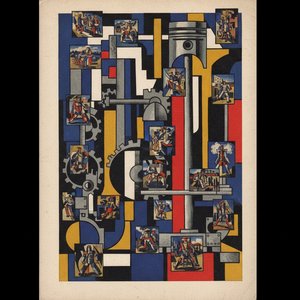
Fuel Pump

Fernand Léger’s "Fuel Pump" captures the energy of a vintage automobile navigating a bustling gas station scene, featuring a truck, traffic light, clock, and bench—a masterful blend of abstraction and observation reflecting the machine age.

Esplora l'arte di Fernand Léger (1881-1955), un pioniere del Cubismo e della 'Tubismo'. Scopri i suoi audaci dipinti figurativi che celebrano la vita moderna, le macchine e la forma umana. Un precursore del Pop Art!

Giclée / Stampa d'arte

Stampa giclée o su tela di qualità museale, con produzione rapida e diverse opzioni di finitura.

P118B $10
P118H $10
P118W $10
P438Z $10
P508JH $12
P508YH $12
P805H $10
P805Z $10
P919BZ $10
P919G $10
P919XJ $10
P959ZH $10
P968JZ $12
W106C $8
W218G $10
W218JH $8
W218Y $10
W307PJ $10
W316G $10
W316PJ $8
W316Y $10
W398PJ $8
W4111J $10
W500HY $15
W500JH $15
W692G $12
W849H $8
W940BG $15
W953PJ $8

Standard
custom
CM
INCH

Scegli tra le nostre dimensioni predefinite, che rispettano le proporzioni originali dell'opera d'arte.

larghezza
altezza

È possibile inserire dimensioni personalizzate per adattare l'opera a una cornice o a uno spazio specifico. Se la dimensione selezionata non corrisponde alle proporzioni dell'immagine originale, procederemo al ritaglio dell'opera o all'estensione dell'immagine con un bordo specchiato o a tinta unita. Un mockup digitale ti verrà inviato per approvazione prima dell'inizio della produzione.
Si prega di notare che l'anteprima a schermo non riflette il ritaglio o l'estensione effettivi. Solo il mockup mostrerà accuratamente la composizione finale.
Sebbene siano disponibili dimensioni personalizzate, si raccomanda di selezionare una dimensione dall'elenco predefinito per preservare le proporzioni originali.

Consegna in tutto il mondo () in 2 settimane invece delle normali 4/5 settimane. (21 Luglio)

why_choose_icon
Spedizione espressa gratuita in tutto il mondo
why_choose_icon
Tela in lino di alta qualità
why_choose_icon
Assicurazione completa sulla spedizione
why_choose_icon
Garanzia di rimborso dei dazi doganali
why_choose_icon
Garanzia di fedeltà cromatica
why_choose_icon
Politica di reso entro 60 giorni (solo per difetti)
why_choose_icon
Garanzia di rimborso al 100%
why_choose_icon
Sconto per acquisti multipli

Prezzo totale

-

reproduction

Fuel Pump

Giclée / Stampa d'arte

Dimensioni riproduzione

-

Prezzo totale finale

-

Informazioni rapide

  • Notable elements or techniques: Geometric abstraction; Repetition of forms
  • Medium: Oil on Canvas
  • Title: Fuel Pump
  • Location: Musée d'Art Moderne de Paris
  • Artistic style: Constructivist
  • Movement: Cubism
  • Influences:
    • Picasso
    • Braque

Quiz d'arte

Per ogni domanda è presente una sola risposta corretta.

Domanda 1:
What is the primary subject matter depicted in Fernand Léger's painting “Fuel Pump”?
Domanda 2:
Fernand Léger’s artistic style is characterized by:
Domanda 3:
The painting incorporates elements reflecting the influence of:
Domanda 4:
What is notable about the depiction of the vintage automobile in “Fuel Pump”?
Domanda 5:
“Fuel Pump” exemplifies Léger’s commitment to portraying the impact of:

Descrizione dell'opera

Fernand Léger’s “Gas Station” – A Symphony of Form and Industrial Soul

The canvas explodes with geometric precision—a riot of interlocking cubes, cylinders, and planes that dominate Fernand Léger’s iconic 1925 painting, “Gas Station.” More than just a depiction of an everyday scene, it represents Léger's audacious attempt to distill the anxieties and exhilarations of the burgeoning industrial revolution into a powerfully abstract visual language. Standing before this artwork is akin to stepping onto the stage of a futurist opera—a bold declaration that form precedes function, and that beauty can be found even within the most utilitarian structures.

Style and Technique: Cubism Revisited

Léger’s approach to painting departs significantly from traditional representational methods, firmly establishing itself within the realm of Cubism, albeit with a distinctly Légerian twist. Influenced by Pablo Picasso and Georges Braque's pioneering explorations of fractured perspectives, Léger eschewed illusionistic depth, opting instead for a flattened surface that emphasizes spatial relationships through overlapping geometric shapes. Unlike Picasso’s more melancholic contemplation of fragmentation, Léger imbues his canvases with an energetic dynamism—a palpable sense of movement conveyed through the rhythmic repetition of cubes and planes. He meticulously applied thick impasto paint—heavy layers of pigment built up on the canvas—creating tactile surfaces that invite viewers to engage physically with the artwork.

Historical Context: The Machine Age Emerges

“Gas Station” was created during a period of profound societal transformation, mirroring the rapid advancements in industrial technology and urban sprawl characteristic of the 1920s. Léger’s fascination with machines—expressed not only in his painting but also in sculpture and graphic design—reflected the pervasive influence of engineering on daily life. The painting captures the unsettling beauty of a world increasingly dominated by steel, glass, and concrete—a visual embodiment of anxieties surrounding modernization and the displacement of traditional rural values. Léger’s artistic vision coincided with the rise of Surrealism, yet he resolutely rejected its dreamlike imagery, prioritizing instead the rational logic of geometric abstraction as a means of confronting the complexities of the modern condition.

Symbolism: Beyond Literal Representation

While ostensibly portraying a gas station—a symbol of burgeoning transportation and urban growth—the painting transcends literal representation to explore deeper thematic concerns. Léger’s use of color is deliberately muted, primarily employing shades of gray, ochre, and red, creating an atmosphere of understated tension. The dominant geometric forms—particularly the cubes—represent not merely physical objects but also conceptual ideas—stability, order, and the relentless march of progress. However, interspersed amongst these assertive shapes are smaller planes that hint at vulnerability and fragmentation—a subtle acknowledgment of the human cost associated with industrial expansion.

Emotional Impact: Capturing Industrial Anxiety

Ultimately, “Gas Station” succeeds in conveying a profound emotional resonance—a palpable sense of unease mingled with fascination. Léger’s masterful manipulation of form and color compels viewers to confront the anxieties inherent in embracing technological advancement while simultaneously celebrating its transformative potential. The painting's energetic dynamism and tactile surface invite contemplation—encouraging us to consider how we perceive and interpret the world around us. It remains a testament to Léger’s unwavering conviction that art could serve as both a mirror reflecting societal realities and a catalyst for intellectual and emotional engagement—a timeless masterpiece that continues to inspire awe and provoke discussion decades after its creation.

Biografia dell'artista

vitae e formazione

Fernand Léger, pittore, scultore e filmmaker francese, nacque il 4 febbraio 1881 ad Argentan, Orne, nella bassa Normandia. Suo padre allevava bovini e Léger iniziò la sua formazione come architetto nel 1897-1899. Successivamente si trasferì a Parigi nel 1900, sostenendosi con il lavoro di disegnatore architettonico.

sviluppo artistico

Le prime opere di Léger furono influenzate dall'impressionismo, come visto in Le jardin de ma mère (Il giardino di mia madre) (1905). Dopo aver frequentato la scuola d'arte decorativa e l'Académie Julian, iniziò a lavorare seriamente come pittore a 25 anni. Il suo stile si evolse in una forma personale di cubismo, che i critici definirono "tubismo" per la sua enfasi su forme cilindriche.

Cubismo e il gruppo dei Puteaux

Nel 1910, Léger espose al Salon d'automne insieme a Jean Metzinger e Henri Le Fauconnier. Entrò nel gruppo dei Puteaux, noto anche come la sezione d'or (la sezione aurea), insieme ad altri artisti come Francis Picabia e Marcel Duchamp.

Guerra e la sua influenza sull'opera di Léger

Le esperienze di Léger nella Prima Guerra Mondiale ebbero un impatto significativo sulla sua opera. Durante il suo tempo al fronte, produsse schizzi di pezzi d'artiglieria, aerei e soldati. Il suo dipinto Soldier with a Pipe (1916) riflette questo periodo.

Lavoro successivo e eredità

Il lavoro post-bellico di Léger, caratterizzato da forme meccaniche lisce, lo legò alla tradizione della pittura figurativa francese. I suoi paesaggi animati del 1921 mostrarono figure e animali in forme armoniose e razionalizzate. opere chiave: musei che espongono le opere di Léger:
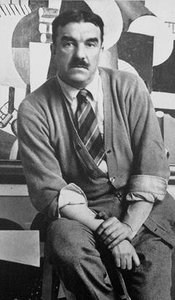
Fernand Léger

Fernand Léger

1881 - 1955 , Francia

Dati rapidi

  • Artisti Influenti:
    • Cézanne
    • Impressionismo
  • Artisti Influenzati: ['Pop Art']
  • Data Di Nascita: 4 febbraio 1881
  • Luogo Di Nascita: Argentan, Francia
  • Movimento Artistico: Cubismo, Tubismo
  • Nazionalità: Francese
  • Nome Completo: Fernand Léger
  • Opere Notevoli:
    • La Grande Parata
    • L'Elemento Macchina
    • Donna Seduta
    • The City
Esplora opere d'arte organizzate per temi, stili e caratteristiche.