


x


 Acrylic On CanvasWallArtCubist Still Life
 1944Modern
 21.0 x 14.0 cm
Stampa giclée o su tela di qualità museale, con produzione rapida e diverse opzioni di finitura. ( Switch to hand made Painting Switch to Image)





























Scegli tra le nostre dimensioni predefinite, che rispettano le proporzioni originali dell'opera d'arte.

È possibile inserire dimensioni personalizzate per adattare l'opera a una cornice o a uno spazio specifico. Se la dimensione selezionata non corrisponde alle proporzioni dell'immagine originale, procederemo al ritaglio dell'opera o all'estensione dell'immagine con un bordo specchiato o a tinta unita. Un mockup digitale ti verrà inviato per approvazione prima dell'inizio della produzione.
Si prega di notare che l'anteprima a schermo non riflette il ritaglio o l'estensione effettivi. Solo il mockup mostrerà accuratamente la composizione finale.
Sebbene siano disponibili dimensioni personalizzate, si raccomanda di selezionare una dimensione dall'elenco predefinito per preservare le proporzioni originali.
Consegna in tutto il mondo () in 2 settimane invece delle normali 4/5 settimane. (28 Luglio)


New York
Dimensioni riproduzione
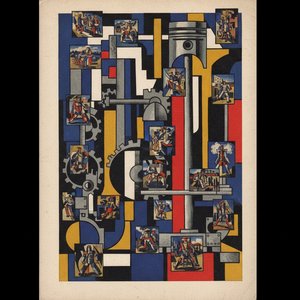
Fernand Léger's 1944 painting, "New York," is more than just a depiction of an American cityscape; it’s a vibrant declaration of the modern age. Executed in a moment of significant social and artistic change – following World War II and amidst the burgeoning industrial expansion of the United States – the work embodies Léger's signature style: a bold, geometric abstraction infused with a profound appreciation for the dynamism of machinery and urban life. Measuring 21 x 14 cm, this intimate scale allows for an intensely focused engagement with the painting’s complex composition.
Léger's artistic journey was profoundly shaped by his experiences during World War I, witnessing firsthand the devastating impact of industrial warfare. This experience fueled his desire to translate the raw power and geometric precision of machines into a new visual language. “New York” exemplifies this approach perfectly. The painting is deeply rooted in Cubism, particularly Léger’s own development of ‘Grob’, a style characterized by simplified forms, fragmented perspectives, and an emphasis on underlying structure. However, unlike traditional Cubist explorations, Léger wasn't primarily interested in dissecting objects; he sought to capture their *essence* – the inherent energy and mechanical logic that defined the modern world.
The use of bold, contrasting colors—primarily blues, reds, and yellows—further amplifies this sense of dynamism. These hues aren’t used for representational accuracy but rather to convey emotional intensity and visual impact, aligning with Léger's belief in art as a means of expressing fundamental truths about the universe.
“New York” was created during a period of immense transformation in American history. The post-war era saw unprecedented economic growth, technological innovation, and urbanization. The painting can be interpreted as a celebration of this progress – a visual testament to the nation’s industrial might and its role as a global superpower. The American flag itself carries significant symbolic weight, representing freedom, democracy, and national identity.
Furthermore, Léger's work reflects the broader artistic currents of the time, including Constructivism and Futurism, which similarly embraced machine aesthetics and celebrated technological advancement. His focus on geometric abstraction was a direct response to the perceived decadence of traditional art forms, advocating for a new visual language that reflected the realities of the 20th century.
"New York" possesses a powerful emotional resonance, capturing not just a physical scene but also a sense of energy, movement, and ambition. Léger’s masterful use of color and form creates a visually arresting image that continues to captivate viewers today. This painting represents a pivotal moment in the career of one of modern art's most innovative figures, solidifying his place as a pioneer of geometric abstraction and a visionary artist who dared to translate the language of machines into a profound artistic statement.

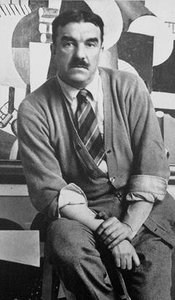
1881 - 1955 , Francia

Esplora l'evoluzione dell'espressionismo astratto con Willem de Kooning. Analisi approfondita del suo stile, l'influenza italiana e il suo impatto sull'arte moderna. Scopri perché De Kooning è un investimento prezioso per i collezionisti.
Esplora i 25 capolavori di Fernand Léger, pioniere del cubismo e del tubismo. Scopri la storia, le tecniche e l'impatto dell'arte moderna francese. Stampe d'arte e riproduzioni su Most-Famous-Paintings.com.

Explore the revolutionary Ashcan School! Discover how artists like Henri & Sloan challenged tradition with gritty realism, capturing urban life in early 20th-century America. Learn about their impact on American art history.

Explore the art of transforming spaces with our comprehensive guide to wall decor. From historical movements to contemporary trends, discover how to curate impactful interiors and commission bespoke artwork for a truly personalized aesthetic.

Esplora i 10 capolavori del Cubismo Espressivo con Most-Famous-Paintings.com! Scopri Picasso, Braque e Gris, la storia di questo rivoluzionario movimento artistico e lasciati ispirare per decorare casa con arte di alta qualità. Esplora la collezione online!


Rimani aggiornato sulle ultime novità dell'arte, sulle offerte esclusive e sulle idee di decorazione.
Raccontaci del tuo progetto e i nostri esperti d'arte ti proporranno 3 suggerimenti artistici personalizzati.
Lascia che ci pensiamo noi: 3 opzioni su misura per te – Gratis!


 Preview
 Invia
Invia Condividi
 Dettagli opera

 Scarica
 Simili
 Radiografia
 Slideshow
 Scopri di più







 L'opzione vetro è disponibile solo per dimensioni inferiori a 110 cm


