


x

 Acrylic On CanvasWallArtOrphism
 1951Modern
 114.0 x 195.0 cm
Acquista un'immagine digitale ad alta risoluzione e ottimizzata, di qualità nettamente superiore all'anteprima online.
Ogni file è meticolosamente preparato dai nostri specialisti interni attraverso l'uso di strumenti avanzati e un sapiente ritocco manuale. Garantiamo che ogni immagine presenti una chiarezza eccezionale, una precisione cromatica impeccabile e dettagli raffinati.
Il file finale viene consegnato via e-mail entro 72 ore, ottimizzato per un uso immediato in contesti professionali, editoriali e di stampa. Si tratta della stessa qualità affidata ai più prestigiosi studi di design, editori e gallerie d'arte.
Scarica un file ad alta risoluzione per uso personale, per la stampa e per progetti creativi. ( Acquista stampa Acquista il dipinto realizzato a mano)
Quando scegli Most-Famous-Paintings.com, non riceverai solo un'immagine: riceverai un'opera d'arte digitale professionalmente ottimizzata, realizzata con la massima precisione e accompagnata da una garanzia di soddisfazione. Ecco tutto ciò che include il tuo ordine, automaticamente:

Riceverai il file dell'immagine digitale ad alta risoluzione via email entro 72 ore dall'ordine, pronto per un uso immediato.

La tua opera d'arte viene ottimizzata professionalmente attraverso l'uso di strumenti avanzati di intelligenza artificiale e una revisione manuale, garantendo il massimo livello di dettaglio, nitidezza e accuratezza cromatica.

Hai eliminato o perso accidentalmente il tuo file? Non preoccuparti: te lo invieremo di nuovo in qualsiasi momento, gratuitamente.

Goditi la tua opera d'arte istantaneamente senza costi doganali, dazi o spese di spedizione: i download digitali sono sempre esenti da tasse.

Garantiamo che la tua immagine digitale rifletta i colori originali con la massima fedeltà, grazie all'uso di strumenti professionali e a una gestione accurata del colore.

Se non sei soddisfatto della tua immagine digitale, la revisioneremo o ti rimborseremo il 100% entro 60 giorni, senza domande.

Non sei soddisfatto? Ricevi un rimborso completo entro 60 giorni dal ricevimento del tuo file digitale, senza dover fornire spiegazioni.

Acquista 3 immagini, risparmia il 10% - Acquista 5, risparmia il 15% - Acquista 10+, risparmia il 20%. Ideale per progetti creativi, gallerie e agenzie.
Fernand Léger’s “Project for a Mural Vulcania,” completed in 1951, stands as a vibrant testament to the artist's unique approach to depicting the modern world. Executed during his Orphist period, this large-scale work – measuring 114 x 195 cm – transcends mere representation, offering instead a carefully constructed visual dialogue between humanity and machinery. Léger, deeply influenced by the burgeoning industrial landscape of early 20th century France, sought not to reject modernity but to embrace its inherent dynamism and geometric forms, integrating them into a powerfully expressive artistic language.
Created in 1951, “Project for a Mural Vulcania” reflects a pivotal moment in art history. Following the devastation of World War I and the rapid advancements in technology, artists were grappling with how to represent the changing world around them. Léger’s work stands apart due to its proactive engagement with this challenge. Unlike many abstract movements that sought to escape representation entirely, Léger deliberately incorporated recognizable elements – industrial forms – into his compositions, believing that art should reflect and engage with the realities of modern life. His earlier works, such as “The City” (1911), foreshadowed this approach, demonstrating a growing interest in depicting urban landscapes through a fractured, geometric lens.
While seemingly abstract, "Vulcania" is rich with symbolic meaning. The fragmented figures can be interpreted as representing the human spirit adapting to the demands of industrial society. Léger wasn't simply illustrating machines; he was exploring the relationship between humanity and technology – a theme that remains profoundly relevant today. The overall composition suggests a sense of order emerging from chaos, a harmonious balance between the organic and the mechanical.
"Project for a Mural Vulcania" is more than just a visually striking artwork; it’s a powerful statement about the potential for beauty and harmony within the industrial age. Léger's bold use of color, dynamic composition, and innovative technique create an immersive experience that evokes feelings of energy, optimism, and wonder. This piece remains a significant work in the artist’s oeuvre and a key example of Orphism’s influence on 20th-century art. Its enduring appeal lies in its ability to capture the spirit of modernity while simultaneously offering a timeless meditation on the human condition.

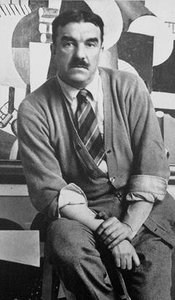
1881 - 1955 , Francia


Rimani aggiornato sulle ultime novità dell'arte, sulle offerte esclusive e sulle idee di decorazione.
Raccontaci del tuo progetto e i nostri esperti d'arte ti proporranno 3 suggerimenti artistici personalizzati.
Lascia che creiamo per te una selezione di 3 opzioni su misura – Gratis!


 Anteprima in scala reale
 Invia
Invia Condividi
 Dettagli opera

 Scarica immagine
 Simili
 Radiografia
 Slideshow
 Espandi i dettagli


