


x

Olio su tela dipinto a mano nelle tue dimensioni e con la tua cornice, realizzato su ordinazione dai nostri artisti. ( Ordina stampa Acquista download)





























Scegli tra le nostre dimensioni predefinite, che rispettano le proporzioni originali dell'opera d'arte.

È possibile inserire dimensioni personalizzate per adattare l'opera a una cornice o a uno spazio specifico. Se la dimensione selezionata non corrisponde alle proporzioni dell'immagine originale, provvederemo a ritagliare l'opera o a estendere il dipinto con elementi aggiuntivi dipinti a mano. Un mockup digitale ti sarà inviato per approvazione prima dell'inizio della produzione.
Si prega di notare che l'anteprima a schermo non riflette il ritaglio o l'estensione effettivi. Solo il mockup mostrerà accuratamente la composizione finale.
Sebbene siano disponibili dimensioni personalizzate, consigliamo di selezionare una dimensione dall'elenco predefinito per preservare le proporzioni originali.
Consegna in tutto il mondo () in 3/4 settimane anziché nelle normali 5 settimane. (19 Agosto). Nessun compromesso sulla qualità.


Still Life
Dimensioni della riproduzione
In the realm of modern art, few names resonate with as much mechanical energy and rhythmic vitality as Fernand Léger. His masterpiece, Still Life, serves as a profound window into an era where the boundaries between the organic world and the industrial age began to blur. While many of his contemporaries were retreating into the ethereal realms of pure abstraction, Léger remained anchored to the tangible, finding beauty in the structured essence of everyday objects. This particular work is not merely a depiction of items on a table; it is a carefully orchestrated dance of geometry, where the familiar becomes extraordinary through a lens of bold, primary colors and architectural precision.
The composition invites the viewer into a space that feels simultaneously grounded and dreamlike. At first glance, one recognizes the classic elements of a traditional still life: a wooden table, a bowl of fruit, a vase of lilies, and the humble presence of cutlery. However, Léger employs a technique that defies traditional perspective. Instead of creating an illusion of depth through soft shadows and realistic gradients, he utilizes a flattened plane where shapes overlap and intersect with startling clarity. The objects are deconstructed into their most fundamental geometric components—cylinders, spheres, and cubes—creating a visual texture that feels as much like a blueprint for modern living as it does a painting. This approach captures the very heartbeat of the machine age, celebrating the strength and clarity of defined edges.
Beyond its striking visual impact, Still Life carries a deep, underlying narrative rooted in Léger’s personal history and the shifting cultural landscape of the early 20th century. The muted browns and ochres used for the tabletop serve as a poignant nod to his formative years spent amidst the agricultural landscapes of Normandy. This connection to the earth provides a soulful counterpoint to the more vibrant, almost electric colors found in the fruit and flowers. The lilies, rendered in brilliant yellows and oranges, transcend their traditional associations with purity to become symbols of structured vitality, standing as bright beacons within the complex arrangement.
There is an inherent tension in this work between the soft, organic nature of the fruit and the hard-edged, mechanical execution of the forms. This duality reflects Léger’s unique artistic philosophy: the desire to integrate the dynamism of modern technology with the enduring beauty of the natural world. For the collector or interior designer, this piece offers a sophisticated balance. It possesses the intellectual depth of Cubism while maintaining an accessible, decorative warmth that can anchor a room with its commanding presence and rhythmic energy.
For those seeking to curate a space that inspires movement and thought, a high-quality reproduction of this work offers unparalleled value. The painting’s ability to harmonize disparate elements—the heavy weight of the objects against the lightness of the color palette—makes it a versatile centerpiece for contemporary interiors. Whether placed in a minimalist gallery-style setting or a richly textured classical room, Léger’s Still Life commands attention through its unapologetic joy and structural integrity.
Owning a piece that captures this specific moment in art history means bringing home more than just decor; it is an invitation to experience the pulse of the avant-garde. The interplay of light, the bold use of primary hues, and the masterful command of shape ensure that this artwork remains as visually stimulating today as it was when Léger first applied his brush to the canvas. It is a timeless celebration of life, reconstructed through the magnificent lens of modernism.

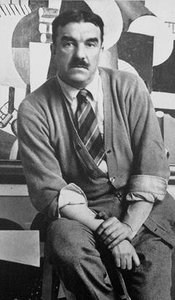
1881 - 1955 , Francia

Explore the revolutionary world of Cubism. Discover how masters Pablo Picasso and Georges Braque dismantled reality through geometric abstraction to redefine modern art history.

Explore the profound impact of Minimalism and Geometric Abstraction. From Mondrian to Malevich, discover how stripping art to its essential forms revolutionized modern aesthetics through our expert-led historical guide.


Rimani aggiornato sulle ultime novità dell'arte, sulle offerte esclusive e sulle idee di decorazione.
Raccontaci del tuo progetto e i nostri esperti d'arte ti proporranno 3 suggerimenti artistici personalizzati.
Lascia che creiamo per te una selezione di 3 opzioni su misura – Gratis!


 Anteprima in scala reale
 Condividi
 Condividi
 Dettagli

 Scarica immagine
 Articoli simili
 Radiografia
 Slideshow

 Leggi tutto







 L'opzione vetro è disponibile solo per dimensioni inferiori a 110 cm


