Sell Your Art
Lista dei desideri Carrello acquisti Cart
PreviewPreview AR previewAR preview Switch to hand made Painting Switch to hand made PaintingSwitch to Image Switch to Image InviaInvia
Dettagli operaDettagli opera Aggiungi ai preferiti Aggiungi ai preferiti ScaricaScarica SimiliSimili RadiografiaRadiografia SlideshowSlideshow

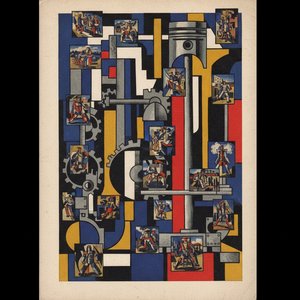
Study for Cinematic Mural, Study III

Fernand Léger’s Study for Cinematic Mural, Study III (1938–39) is a gouache painting depicting a cityscape dominated by a large red building amidst industrial forms and figures. Recognized anonymously at MoMA, it exemplifies Léger's exploration of modern aesthetics and anticipates Pop Art.

Esplora l'arte di Fernand Léger (1881-1955), un pioniere del Cubismo e della 'Tubismo'. Scopri i suoi audaci dipinti figurativi che celebrano la vita moderna, le macchine e la forma umana. Un precursore del Pop Art!

Giclée / Stampa d'arte

Stampa giclée o su tela di qualità museale, con produzione rapida e diverse opzioni di finitura. (Switch to hand made Painting Switch to hand made PaintingSwitch to Image Switch to Image)

P118B $10
P118H $10
P118W $10
P438Z $10
P508JH $12
P508YH $12
P805H $10
P805Z $10
P919BZ $10
P919G $10
P919XJ $10
P959ZH $10
P968JZ $12
W106C $8
W218G $10
W218JH $8
W218Y $10
W307PJ $10
W316G $10
W316PJ $8
W316Y $10
W398PJ $8
W4111J $10
W500HY $15
W500JH $15
W692G $12
W849H $8
W940BG $15
W953PJ $8

Standard
custom
CM
INCH

Scegli tra le nostre dimensioni predefinite, che rispettano le proporzioni originali dell'opera d'arte.

larghezza
altezza

È possibile inserire dimensioni personalizzate per adattare l'opera a una cornice o a uno spazio specifico. Se la dimensione selezionata non corrisponde alle proporzioni dell'immagine originale, procederemo al ritaglio dell'opera o all'estensione dell'immagine con un bordo specchiato o a tinta unita. Un mockup digitale ti verrà inviato per approvazione prima dell'inizio della produzione.
Si prega di notare che l'anteprima a schermo non riflette il ritaglio o l'estensione effettivi. Solo il mockup mostrerà accuratamente la composizione finale.
Sebbene siano disponibili dimensioni personalizzate, si raccomanda di selezionare una dimensione dall'elenco predefinito per preservare le proporzioni originali.

Consegna in tutto il mondo () in 2 settimane invece delle normali 4/5 settimane. (30 Luglio)

why_choose_icon
Spedizione espressa gratuita in tutto il mondo
why_choose_icon
Tela in lino di alta qualità
why_choose_icon
Assicurazione completa sulla spedizione
why_choose_icon
Garanzia di rimborso dei dazi doganali
why_choose_icon
Garanzia di fedeltà cromatica
why_choose_icon
Politica di reso entro 60 giorni (solo per difetti)
why_choose_icon
Garanzia di rimborso al 100%
why_choose_icon
Sconto per acquisti multipli

Prezzo totale

$ 68

reproduction

Study for Cinematic Mural, Study III

Giclée / Stampa d'arte

Dimensioni riproduzione

-

Prezzo totale finale

$ 68

Informazioni rapide

  • Location: MoMA
  • Medium: Gouache, ink, colored pencil, and pencil on board
  • Title: Study for Cinematic Mural, Study III
  • Movement: Cubism
  • Artist: Fernand Léger
  • Dimensions: 51 x 38 cm
  • Notable elements or techniques: Bold simplification; Red building prominence

Quiz d'arte

Per ogni domanda è presente una sola risposta corretta.

Domanda 1:
What artistic movement is Fernand Léger primarily associated with?
Domanda 2:
The painting depicts a prominent architectural element – what is it?
Domanda 3:
When was Fernand Léger born?
Domanda 4:
What is a key characteristic of Léger’s use of color in this artwork?
Domanda 5:
The painting reflects the influence of which historical period?

Descrizione dell'opera

Fernand Léger: Embracing Industrial Rhythm

Fernand Léger’s “Study for Cinematic Mural Painting,” created in 1938–39, embodies the artist's singular vision of reconciling Cubism with the burgeoning influence of industrial aesthetics—a fusion that would foreshadow the rise of Pop Art decades later. Executed in gouache, ink, colored pencil, and pencil on cardboard, this artwork exemplifies Léger’s commitment to capturing not just visual reality but also the underlying pulse of modern life. Its dimensions – 20 x 14 7/8 inches (50.7 x 37.8 cm) – speak to a monumental ambition, reflecting Léger's desire to transform painting into a powerful tool for communicating ideas and emotions about the transformative era he inhabited.
  • Style: Léger’s style evolved dramatically throughout his career, initially rooted in Cubism’s fragmentation of form but gradually shifting towards a more expressive and simplified aesthetic. “Study for Cinematic Mural Painting” showcases this progression, retaining Cubist principles while prioritizing clarity and visual impact—a deliberate move away from the complex intellectual debates surrounding abstract art.
  • Technique: Léger employed a distinctive technique characterized by bold color palettes and geometric abstraction. He utilized gouache – an opaque watercolor medium – to achieve vibrant hues and create textured surfaces that conveyed movement and dynamism. Precise pencil lines delineated forms, reinforcing the artist’s commitment to structural integrity while simultaneously injecting visual energy into the composition.

A Reflection of Industrial Civilization

The artwork's historical context is inextricably linked to Léger’s fascination with industrial progress—a preoccupation that stemmed from his formative years spent observing the rhythms of rural life alongside the burgeoning factories and machinery of early 20th-century France. Léger saw in the machine age not merely a technological advancement but also a fundamental reshaping of human experience, prompting him to explore how painting could convey this profound transformation. The simplified geometric forms depicted—circles, squares, triangles—mirror the repetitive patterns found in industrial production, symbolizing the artist’s belief that art should engage with the realities of its time.
  • Symbolism: Léger's use of color is laden with symbolic significance. Dominant reds convey passion and energy, mirroring the heat generated by furnaces and engines—a visual metaphor for the transformative power of industrial forces. Blues represent stability and order, contrasting with the chaotic dynamism of the geometric shapes and reinforcing Léger’s conviction that beauty could coexist with functionality.

Emotional Resonance: Dynamism and Optimism

“Study for Cinematic Mural Painting” transcends mere visual representation; it communicates a palpable sense of optimism and vitality—a reflection of Léger's unwavering belief in the potential for human creativity to adapt to and celebrate the challenges posed by modernity. The artwork’s energetic composition captures the rhythm of industrial activity, inviting viewers to contemplate the transformative forces shaping the world around them. Léger’s bold aesthetic choices serve as a testament to his conviction that art could inspire awe and wonder while simultaneously fostering a deeper understanding of the complexities of contemporary life—a legacy that continues to resonate with artists and audiences alike.

Provenance & Reproduction Quality

This artwork, anonymously gifted, is housed at the Solomon R. Guggenheim Museum in New York. Scala Archives ensures the highest quality reproductions, faithful to the original colors and pictorial details that characterize Léger’s art. This commitment goes beyond simple documentation—it's about preserving the respect owed to the work and vision of one of the great masters of the twentieth century.

Biografia dell'artista

vitae e formazione

Fernand Léger, pittore, scultore e filmmaker francese, nacque il 4 febbraio 1881 ad Argentan, Orne, nella bassa Normandia. Suo padre allevava bovini e Léger iniziò la sua formazione come architetto nel 1897-1899. Successivamente si trasferì a Parigi nel 1900, sostenendosi con il lavoro di disegnatore architettonico.

sviluppo artistico

Le prime opere di Léger furono influenzate dall'impressionismo, come visto in Le jardin de ma mère (Il giardino di mia madre) (1905). Dopo aver frequentato la scuola d'arte decorativa e l'Académie Julian, iniziò a lavorare seriamente come pittore a 25 anni. Il suo stile si evolse in una forma personale di cubismo, che i critici definirono "tubismo" per la sua enfasi su forme cilindriche.

Cubismo e il gruppo dei Puteaux

Nel 1910, Léger espose al Salon d'automne insieme a Jean Metzinger e Henri Le Fauconnier. Entrò nel gruppo dei Puteaux, noto anche come la sezione d'or (la sezione aurea), insieme ad altri artisti come Francis Picabia e Marcel Duchamp.

Guerra e la sua influenza sull'opera di Léger

Le esperienze di Léger nella Prima Guerra Mondiale ebbero un impatto significativo sulla sua opera. Durante il suo tempo al fronte, produsse schizzi di pezzi d'artiglieria, aerei e soldati. Il suo dipinto Soldier with a Pipe (1916) riflette questo periodo.

Lavoro successivo e eredità

Il lavoro post-bellico di Léger, caratterizzato da forme meccaniche lisce, lo legò alla tradizione della pittura figurativa francese. I suoi paesaggi animati del 1921 mostrarono figure e animali in forme armoniose e razionalizzate. opere chiave: musei che espongono le opere di Léger:
Fernand Léger

Fernand Léger

1881 - 1955 , Francia

Dati rapidi

  • Artisti Influenti:
    • Cézanne
    • Impressionismo
  • Artisti Influenzati: ['Pop Art']
  • Data Di Nascita: 4 febbraio 1881
  • Luogo Di Nascita: Argentan, Francia
  • Movimento Artistico: Cubismo, Tubismo
  • Nazionalità: Francese
  • Nome Completo: Fernand Léger
  • Opere Notevoli:
    • La Grande Parata
    • L'Elemento Macchina
    • Donna Seduta
    • The City
Esplora opere d'arte organizzate per temi, stili e caratteristiche.