


x


 Preview
 Ordina la riproduzione Acquista download
 Invia
Invia
 Dettagli opera
 Aggiungi ai preferiti
 Scarica
 Simili
 Radiografia
 Slideshow
Stampa giclée o su tela di qualità museale, con produzione rapida e diverse opzioni di finitura.





























Scegli tra le nostre dimensioni predefinite, che rispettano le proporzioni originali dell'opera d'arte.

È possibile inserire dimensioni personalizzate per adattare l'opera a una cornice o a uno spazio specifico. Se la dimensione selezionata non corrisponde alle proporzioni dell'immagine originale, procederemo al ritaglio dell'opera o all'estensione dell'immagine con un bordo specchiato o a tinta unita. Un mockup digitale ti verrà inviato per approvazione prima dell'inizio della produzione.
Si prega di notare che l'anteprima a schermo non riflette il ritaglio o l'estensione effettivi. Solo il mockup mostrerà accuratamente la composizione finale.
Sebbene siano disponibili dimensioni personalizzate, si raccomanda di selezionare una dimensione dall'elenco predefinito per preservare le proporzioni originali.
Consegna in tutto il mondo () in 2 settimane invece delle normali 4/5 settimane. (24 Luglio)


The Big Parade
Dimensioni riproduzione
Fernand Léger's "The Big Parade," painted during the vibrant and transformative period of early 20th-century modernism, is more than just a depiction of a bustling crowd; it’s a profound meditation on the relationship between humanity and industry. Emerging from the rural landscapes of Argentan, Normandy, Léger embarked on a radical artistic journey, rejecting traditional representational art in favor of a style that boldly embraced the dynamism and geometric forms of the burgeoning machine age. This large-scale canvas pulsates with energy, capturing not just a scene but an entire era’s anxieties and aspirations – a world rapidly being reshaped by steel, concrete, and relentless progress.
Léger’s artistic choices are laden with symbolic meaning. The fragmented figures aren't merely stylistic flourishes; they represent a deliberate attempt to capture the essence of modern humanity – broken down, reassembled, and ultimately integrated into the machine world. The recurring cylindrical forms—wheels, gears, pipes—are not simply decorative elements but powerful symbols of industrial power and its influence on human life. Notice how some figures seem almost mechanical in their posture, reflecting a growing sense of alienation within an increasingly industrialized society. However, amidst this apparent fragmentation, Léger also seeks to affirm the enduring spirit of humanity, suggesting that even within the constraints of modern existence, individuals can retain a sense of dignity and purpose.
"The Big Parade" is not a comfortable or sentimental work; it’s a challenging, even unsettling, portrayal of modernity. Yet, within its fractured forms and bold colors lies a profound sense of energy and optimism. Léger wasn't simply documenting the present; he was envisioning a future – one where art could embrace the complexities and contradictions of the machine age. His influence extended far beyond his own time, impacting subsequent generations of artists who sought to explore themes of technology, urban life, and the human condition. Today, “The Big Parade” continues to resonate with viewers, prompting reflection on our relationship with technology and the ever-evolving nature of society.
Artist: Fernand Léger Birth Year: 1881 Death Year: 1955
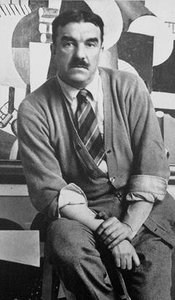
1881 - 1955 , Francia
Esplora i 25 capolavori di Joan Miró, pittore surrealista catalano. Scopri la storia, il simbolismo e le tecniche dietro opere iconiche come 'La Fattoria'. Stampe d'arte e riproduzioni su Most-Famous-Paintings.com per arredare con stile.
Esplora i 10 capolavori del Cubismo con ! Scopri Picasso, Braque e Gris e la rivoluzione dell'arte moderna. Quadri iconici, storie affascinanti e riproduzioni di alta qualità per decorare la tua casa. Esplora la collezione online!

Esplora i 10 capolavori del Cubismo Espressivo con Most-Famous-Paintings.com! Scopri Picasso, Braque e Gris, la storia di questo rivoluzionario movimento artistico e lasciati ispirare per decorare casa con arte di alta qualità. Esplora la collezione online!

Scopri come integrare l'arte cubista nel design di ville moderne con stile e sicurezza. Guida esperta su colori, materiali, illuminazione e aspetti legali. Most-Famous-Paintings.

Esplora i 10 capolavori cubisti che hanno rivoluzionato il ritratto! Scopri Picasso, Braque e Gris e la storia di questo movimento artistico. Trova riproduzioni d'arte di alta qualità per decorare casa con stile su Most-Famous-Paintings.com.


Rimani aggiornato sulle ultime novità dell'arte, sulle offerte esclusive e sulle idee di decorazione.
Raccontaci del tuo progetto e i nostri esperti d'arte ti proporranno 3 suggerimenti artistici personalizzati.
Lascia che ci pensiamo noi: 3 opzioni su misura per te – Gratis!


 Condividi


 Scopri di più







 L'opzione vetro è disponibile solo per dimensioni inferiori a 110 cm


