Sell Your Art
Lista dei desideri Carrello acquisti Cart
PreviewPreview AR previewAR preview Switch to Print Switch to PrintSwitch to Image Switch to Image InviaInvia
Dettagli operaDettagli opera Aggiungi ai preferiti Aggiungi ai preferiti ScaricaScarica SimiliSimili RadiografiaRadiografia SlideshowSlideshow

The tug

Esplora l'arte di Fernand Léger (1881-1955), un pioniere del Cubismo e della 'Tubismo'. Scopri i suoi audaci dipinti figurativi che celebrano la vita moderna, le macchine e la forma umana. Un precursore del Pop Art!

Riproduzione a olio fatta a mano

Olio su tela dipinto a mano nelle tue dimensioni e con la tua cornice, realizzato su ordinazione dai nostri artisti. (Switch to Print Switch to PrintSwitch to Image Switch to Image)

P118B $10
P118H $10
P118W $10
P438Z $10
P508JH $12
P508YH $12
P805H $10
P805Z $10
P919BZ $10
P919G $10
P919XJ $10
P959ZH $10
P968JZ $12
W106C $8
W218G $10
W218JH $8
W218Y $10
W307PJ $10
W316G $10
W316PJ $8
W316Y $10
W398PJ $8
W4111J $10
W500HY $15
W500JH $15
W692G $12
W849H $8
W940BG $15
W953PJ $8

Standard
custom
CM
INCH

Scegli tra le nostre dimensioni predefinite, che rispettano le proporzioni originali dell'opera d'arte.

larghezza
altezza

È possibile inserire dimensioni personalizzate per adattare l'opera a una cornice o a uno spazio specifico. Se la dimensione selezionata non corrisponde alle proporzioni dell'immagine originale, provvederemo a ritagliare l'opera o a estendere il dipinto con elementi aggiuntivi dipinti a mano. Un mockup digitale ti sarà inviato per approvazione prima dell'inizio della produzione.
Si prega di notare che l'anteprima a schermo non riflette il ritaglio o l'estensione effettivi. Solo il mockup mostrerà accuratamente la composizione finale.
Sebbene siano disponibili dimensioni personalizzate, consigliamo di selezionare una dimensione dall'elenco predefinito per preservare le proporzioni originali.

Esempi di modifiche possibili: sostituire il volto con una foto del cliente; aggiungere un animale domestico (ad esempio, sostituire un gatto con un cane); inserire un messaggio nascosto sullo sfondo; modificare il paesaggio o gli elementi dello sfondo.
Dopo l'ordine, il team di Most-Famous-Paintings.com invierà un'e-mail al cliente per le istruzioni e fornirà un'anteprima del mockup

Consegna in tutto il mondo () in 3/4 settimane anziché nelle normali 5 settimane. (30 Luglio). Nessun compromesso sulla qualità.

why_choose_icon
Spedizione espressa gratuita in tutto il mondo
why_choose_icon
Tela in lino di alta qualità
why_choose_icon
Assicurazione completa sulla spedizione
why_choose_icon
Garanzia di rimborso dei dazi doganali
why_choose_icon
Garanzia di fedeltà cromatica
why_choose_icon
Politica di reso entro 60 giorni (solo per difetti)
why_choose_icon
Garanzia di rimborso al 100%
why_choose_icon
Sconto per acquisti multipli

Prezzo totale

$ 272

reproduction

The tug

Tecnica di riproduzione

Dimensioni riproduzione

-

Prezzo totale finale

$ 272

Informazioni rapide

  • Artist: Fernand Léger
  • Year: 1924
  • Location: Private Collection
  • Subject: Boats and Ships
  • Title: The Tug
  • Influences: Cubism
  • Medium: Sketch

Quiz d'arte

Per ogni domanda è presente una sola risposta corretta.

Domanda 1:
What artistic style is “The Tug” primarily associated with?
Domanda 2:
Which artist created "The Tug"?
Domanda 3:
What prominent feature characterizes Fernand Léger’s approach to representing the machine age?
Domanda 4:
The painting depicts a scene featuring what elements?
Domanda 5:
What is the overall mood conveyed by Léger’s use of color and composition in “The Tug”?

Descrizione dell'opera

A Symphony of Shapes: Exploring Fernand Léger’s “The Tug”

Fernand Léger's "The Tug," completed in 1924, stands as an emblem of Naïve Art—a movement that deliberately rejected academic conventions to embrace a raw, intuitive approach to artistic expression. Born Joseph Fernand Henri Léger in Argentan, Normandy, France, in 1881, Léger’s formative years instilled within him a profound appreciation for the tangible world – specifically, the rhythms of rural life and the physicality of agricultural labor. This grounding experience would later inform his groundbreaking stylistic innovations, propelling him to become one of the most influential artists of the early twentieth century.
  • Style & Technique: Léger’s distinctive style is characterized by geometric abstraction—a deliberate simplification of forms into basic shapes like circles, squares, and triangles. He eschewed illusionistic perspective, opting instead for a flattened surface that emphasizes compositional unity. The painting utilizes bold colors – predominantly oranges and yellows – applied with thick impasto technique, creating palpable textural surfaces that convey movement and energy.
  • Historical Context: “The Tug” emerged during the burgeoning Machine Age, mirroring anxieties about industrialization alongside an optimistic fascination with technological progress. Léger’s artistic vision responded directly to this cultural milieu, translating its dynamism into visual terms.

Decoding Symbolism: Form Meets Function

Beyond mere stylistic considerations, Léger imbued “The Tug” with symbolic resonance. The prominent orange hues evoke associations with warmth, vitality, and the sun—representing not only physical illumination but also spiritual optimism. Furthermore, the repetitive geometric shapes – particularly triangles – convey stability and structural integrity, juxtaposed against the implied movement of the depicted tugboat. These elements collectively communicate a message about harnessing power and embracing progress while maintaining an awareness of fundamental principles.
  • Compositional Dynamics: Léger’s masterful arrangement of shapes contributes to the painting's overall impact. The central tugboat dominates the visual field, anchoring the composition while simultaneously drawing the viewer’s eye across the expanse of color and form.

Emotional Resonance: Capturing the Spirit of Modernity

“The Tug” transcends its formal qualities to evoke a palpable emotional response. The energetic brushstrokes convey a sense of exhilaration—a celebration of technological advancement and an affirmation of human creativity. Simultaneously, the painting’s simplified aesthetic invites contemplation, prompting viewers to consider the broader implications of industrial society and its transformative influence on human experience.
  • Legacy & Influence: Léger's pioneering approach to abstraction profoundly impacted subsequent generations of artists, establishing Naïve Art as a significant counterpoint to prevailing artistic trends. His unwavering commitment to capturing the essence of modernity continues to inspire contemporary creatives seeking innovative ways to express their vision.

A Reproduction Worthy of Distinction: Bringing Léger’s Vision Home

A high-quality reproduction of “The Tug” offers an exceptional opportunity to experience Léger's artistic genius firsthand. Selecting a print crafted with archival inks and utilizing canvas stretched taut ensures that the painting’s vibrant colors and textural surfaces are faithfully preserved—allowing collectors and interior designers alike to appreciate the enduring beauty and intellectual depth of this seminal work.

Biografia dell'artista

vitae e formazione

Fernand Léger, pittore, scultore e filmmaker francese, nacque il 4 febbraio 1881 ad Argentan, Orne, nella bassa Normandia. Suo padre allevava bovini e Léger iniziò la sua formazione come architetto nel 1897-1899. Successivamente si trasferì a Parigi nel 1900, sostenendosi con il lavoro di disegnatore architettonico.

sviluppo artistico

Le prime opere di Léger furono influenzate dall'impressionismo, come visto in Le jardin de ma mère (Il giardino di mia madre) (1905). Dopo aver frequentato la scuola d'arte decorativa e l'Académie Julian, iniziò a lavorare seriamente come pittore a 25 anni. Il suo stile si evolse in una forma personale di cubismo, che i critici definirono "tubismo" per la sua enfasi su forme cilindriche.

Cubismo e il gruppo dei Puteaux

Nel 1910, Léger espose al Salon d'automne insieme a Jean Metzinger e Henri Le Fauconnier. Entrò nel gruppo dei Puteaux, noto anche come la sezione d'or (la sezione aurea), insieme ad altri artisti come Francis Picabia e Marcel Duchamp.

Guerra e la sua influenza sull'opera di Léger

Le esperienze di Léger nella Prima Guerra Mondiale ebbero un impatto significativo sulla sua opera. Durante il suo tempo al fronte, produsse schizzi di pezzi d'artiglieria, aerei e soldati. Il suo dipinto Soldier with a Pipe (1916) riflette questo periodo.

Lavoro successivo e eredità

Il lavoro post-bellico di Léger, caratterizzato da forme meccaniche lisce, lo legò alla tradizione della pittura figurativa francese. I suoi paesaggi animati del 1921 mostrarono figure e animali in forme armoniose e razionalizzate. opere chiave: musei che espongono le opere di Léger:
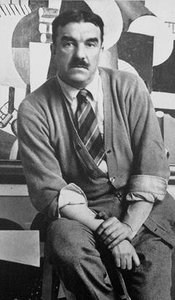
Fernand Léger

Fernand Léger

1881 - 1955 , Francia

Dati rapidi

  • Artisti Influenti:
    • Cézanne
    • Impressionismo
  • Artisti Influenzati: ['Pop Art']
  • Data Di Nascita: 4 febbraio 1881
  • Luogo Di Nascita: Argentan, Francia
  • Movimento Artistico: Cubismo, Tubismo
  • Nazionalità: Francese
  • Nome Completo: Fernand Léger
  • Opere Notevoli:
    • La Grande Parata
    • L'Elemento Macchina
    • Donna Seduta
    • The City
Esplora opere d'arte organizzate per temi, stili e caratteristiche.