


x

Olio su tela dipinto a mano nelle tue dimensioni e con la tua cornice, realizzato su ordinazione dai nostri artisti. ( Acquista stampa Acquista immagine)





























Scegli tra le nostre dimensioni predefinite, che rispettano le proporzioni originali dell'opera d'arte.

È possibile inserire dimensioni personalizzate per adattare l'opera a una cornice o a uno spazio specifico. Se la dimensione selezionata non corrisponde alle proporzioni dell'immagine originale, provvederemo a ritagliare l'opera o a estendere il dipinto con elementi aggiuntivi dipinti a mano. Un mockup digitale ti sarà inviato per approvazione prima dell'inizio della produzione.
Si prega di notare che l'anteprima a schermo non riflette il ritaglio o l'estensione effettivi. Solo il mockup mostrerà accuratamente la composizione finale.
Sebbene siano disponibili dimensioni personalizzate, consigliamo di selezionare una dimensione dall'elenco predefinito per preservare le proporzioni originali.
Consegna in tutto il mondo () in 3/4 settimane anziché nelle normali 5 settimane. (25 Agosto). Nessun compromesso sulla qualità.


Three Musicians
Dimensioni riproduzione
In the pantheon of modernist masterpieces, few works capture the rhythmic pulse of the machine age as vibrantly as Fernand Léger’s “Three Musicians.” Created in 1930, this iconic painting serves as a captivating tableau, presenting three male figures brought together by the shared language of melody. Through their respective instruments—a trombone, a wonderful violin, and a resonant guitar—these musicians exist in a state of close proximity, almost embracing one another in a way that suggests an immediate sense of camaraderie and shared artistic purpose. The composition is deliberate, acting less like a static portrait and more like a rhythmic composition in motion, where the boundaries between human life and industrial progress begin to blur into a singular, dynamic vision.
Léger’s approach to this piece transcends mere representation; it embodies the spirit of a burgeoning modernity—a fascination with geometric abstraction intertwined with an appreciation for tangible reality. The scene unfolds within a space that feels both structured and alive, dominated by muted tones that serve as a sophisticated counterpoint to Léger's vibrant, primary colors. A suitcase rests on a dining table—a subtle, poetic allusion to travel and exploration—while chairs provide grounding elements within the composition. The musicians themselves are rendered in simplified, angular shapes that convey movement and energy, mirroring the very rhythms of the instruments they play. It is a work where the grace of the human form meets the precision of industrial design.
To step into Léger’s universe is to abandon the delicate shadows of the past and embrace a world of bold outlines and unapologetic beauty. His stylistic choice, firmly rooted in Naïve Art (Primitivism), distinguishes him from many of his contemporaries who prioritized pure abstraction as an escape from observation. Instead, Léger deliberately rejected complex illusionistic techniques, favoring simplified shapes to communicate emotion and concept directly. This method creates a powerful visual language that is both accessible and profoundly deep, making it an ideal centerpiece for those seeking to inject energy into a contemporary interior.
The technique employed in “Three Musicians” adds a palpable physicality to the canvas. Léger utilized a distinctive application of paint in thick impasto—heavy layers of textured pigment that create a sense of weight and presence. This emphasis on surface quality contributes to the artwork’s dramatic visual impact, allowing light to catch the ridges of the paint and breathe life into the geometric forms. For the collector or interior designer, this texture offers a sensory richness that elevates a reproduction from a mere image to a tactile experience, bringing the muscular energy of the twentieth century into the modern home.
Beyond its striking aesthetics, “Three Musicians” carries a profound historical weight. It stands as a testament to Léger’s lifelong pursuit of capturing the essence of the machine age—its dynamism, its mechanical forms, and its vibrant energy. His ability to integrate the industrial with the organic makes this piece a timeless choice for those who appreciate art that celebrates progress and human resilience. The painting does not merely depict a scene; it engineers a visual experience that celebrates strength and geometry.
Whether you are an art lover drawn to its rhythmic complexity, a collector seeking a cornerstone of modernism, or a designer looking for a bold statement piece, this work offers unparalleled inspiration. Owning a high-quality reproduction of such a masterpiece allows one to invite the heartbeat of the machine age into their personal sanctuary, providing a constant source of movement, color, and intellectual engagement.

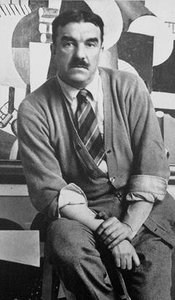
1881 - 1955 , Francia

Explore the profound impact of Minimalism and Geometric Abstraction. From Mondrian to Malevich, discover how stripping art to its essential forms revolutionized modern aesthetics through our expert-led historical guide.


Rimani aggiornato sulle ultime novità dell'arte, sulle offerte esclusive e sulle idee di decorazione.
Raccontaci del tuo progetto e i nostri esperti d'arte ti proporranno 3 suggerimenti artistici personalizzati.
Lascia che creiamo per te una selezione di 3 opzioni su misura – Gratis!


 Anteprima in scala reale
 Invia
Invia Condividi
 Dettagli opera

 Scarica immagine
 Simili
 Radiografia
 Slideshow

 Espandi i dettagli







 L'opzione vetro è disponibile solo per dimensioni inferiori a 110 cm


