


x

 Acrylic On CanvasWallArtProto-Cubist Landscape
 1906
1906 46.0 x 55.0 cm
Olio su tela dipinto a mano nelle tue dimensioni e con la tua cornice, realizzato su ordinazione dai nostri artisti. ( Ordina stampa Acquista download)
Scegli tra le nostre dimensioni predefinite, che rispettano le proporzioni originali dell'opera d'arte.

È possibile inserire dimensioni personalizzate per adattare l'opera a una cornice o a uno spazio specifico. Se la dimensione selezionata non corrisponde alle proporzioni dell'immagine originale, provvederemo a ritagliare l'opera o a estendere il dipinto con elementi aggiuntivi dipinti a mano. Un mockup digitale ti sarà inviato per approvazione prima dell'inizio della produzione.
Si prega di notare che l'anteprima a schermo non riflette il ritaglio o l'estensione effettivi. Solo il mockup mostrerà accuratamente la composizione finale.
Sebbene siano disponibili dimensioni personalizzate, consigliamo di selezionare una dimensione dall'elenco predefinito per preservare le proporzioni originali.
Consegna in tutto il mondo () in 3/4 settimane anziché nelle normali 5 settimane. (21 Agosto). Nessun compromesso sulla qualità.


L'Estaque
Dimensioni della riproduzione
Georges Braque’s “Landscape at L’Estaque,” painted in 1906, stands as an undeniable cornerstone of Fauvist art and a crucial precursor to the revolutionary Cubism movement spearheaded by Pablo Picasso and Henri Matisse. Situated on the Provençal hillside overlooking Marseille harbor, the painting captures not merely a visual representation of the landscape but embodies a profound shift in artistic perception—a deliberate dismantling of traditional perspective and a bold embrace of geometric abstraction.
Unlike Impressionist predecessors who sought to capture fleeting moments of light and color, Braque confronted the canvas with an uncompromising determination to depict reality as it truly appeared. The landscape is fragmented into interlocking planes of color—dominant hues of ochre, crimson, and violet—that collide and overlap without adhering to conventional spatial conventions. This fractured composition isn’t merely stylistic; it reflects a burgeoning intellectual preoccupation with dissecting visual experience and reconstructing it according to new principles.
Braque employed a technique characterized by thick, impasto brushstrokes—a deliberate layering of pigment that creates palpable textural surfaces. These bold strokes are juxtaposed against simplified geometric forms—rectangles, triangles, and circles—that dominate the visual field. This masterful manipulation of color and form distinguishes “Landscape at L’Estaque” from earlier artistic endeavors and establishes it as a pivotal moment in the development of modern art.
"Landscape at L'Estaque" emerged during a period of intense artistic experimentation, fueled by debates surrounding representation and influenced by developments in mathematics and philosophy. It anticipates the groundbreaking innovations of Cubism—a movement that would irrevocably alter the course of art history by challenging notions of depth and dimensionality. Picasso himself acknowledged Braque’s influence on his own artistic explorations, recognizing “Landscape at L’Estaque” as a formative experience.
Beyond its formal innovations, “Landscape at L’Estaque” resonates with symbolic significance—a reflection of the artist's engagement with themes of perception and transformation. The vibrant colors evoke sensations of warmth and energy, conveying an emotional intensity that transcends mere visual description. Ultimately, the painting invites viewers to contemplate not only what they see but also how they perceive the world around them—a timeless message that continues to captivate audiences today.
Born in Argenteuil, France, in 1882, Georges Braque’s artistic journey began amidst a family steeped in decorative arts and craftsmanship. His early exposure to the techniques of his father—a house painter—provided him with invaluable practical skills alongside an innate appreciation for visual harmony. Following formative studies at the École des Beaux-Arts in Le Havre, Braque honed his artistic vision through collaborations with fellow avant-garde artists like Picasso and Matisse.
“Landscape at L’Estaque” remains a testament to Braque's pioneering spirit—a seminal work that cemented his position as one of the most influential painters of the 20th century. Its enduring appeal lies in its ability to provoke contemplation and inspire creativity, serving as an exemplar of Fauvist style and a harbinger of Cubist revolution.

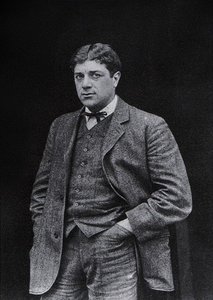
1882 - 1963 , Francia

Explore the revolutionary world of Cubism. Discover how masters Pablo Picasso and Georges Braque dismantled reality through geometric abstraction to redefine modern art history.


Rimani aggiornato sulle ultime novità dell'arte, sulle offerte esclusive e sulle idee di decorazione.
Raccontaci del tuo progetto e i nostri esperti d'arte ti proporranno 3 suggerimenti artistici personalizzati.
Lascia che creiamo per te una selezione di 3 opzioni su misura – Gratis!


 Anteprima in scala reale
 Condividi
 Condividi
 Dettagli

 Scarica immagine
 Articoli simili
 Radiografia
 Slideshow
 Leggi tutto




































 L'opzione vetro è disponibile solo per dimensioni inferiori a 110 cm


