


x

Acquista un'immagine digitale ad alta risoluzione e ottimizzata, di qualità nettamente superiore all'anteprima online.
Ogni file è meticolosamente preparato dai nostri specialisti interni attraverso l'uso di strumenti avanzati e un sapiente ritocco manuale. Garantiamo che ogni immagine presenti una chiarezza eccezionale, una precisione cromatica impeccabile e dettagli raffinati.
Il file finale viene consegnato via e-mail entro 72 ore, ottimizzato per un uso immediato in contesti professionali, editoriali e di stampa. Si tratta della stessa qualità affidata ai più prestigiosi studi di design, editori e gallerie d'arte.
Scarica un file ad alta risoluzione per uso personale, per la stampa e per progetti creativi. ( Ordina stampa Ordina la riproduzione dipinta a mano)
Quando scegli Most-Famous-Paintings.com, non riceverai solo un'immagine: riceverai un'opera d'arte digitale professionalmente ottimizzata, realizzata con la massima precisione e accompagnata da una garanzia di soddisfazione. Ecco tutto ciò che include il tuo ordine, automaticamente:

Riceverai il file dell'immagine digitale ad alta risoluzione via email entro 72 ore dall'ordine, pronto per un uso immediato.

La tua opera d'arte viene ottimizzata professionalmente attraverso l'uso di strumenti avanzati di intelligenza artificiale e una revisione manuale, garantendo il massimo livello di dettaglio, nitidezza e accuratezza cromatica.

Hai eliminato o perso accidentalmente il tuo file? Non preoccuparti: te lo invieremo di nuovo in qualsiasi momento, gratuitamente.

Goditi la tua opera d'arte istantaneamente senza costi doganali, dazi o spese di spedizione: i download digitali sono sempre esenti da tasse.

Garantiamo che la tua immagine digitale rifletta i colori originali con la massima fedeltà, grazie all'uso di strumenti professionali e a una gestione accurata del colore.

Se non sei soddisfatto della tua immagine digitale, la revisioneremo o ti rimborseremo il 100% entro 60 giorni, senza domande.

Non sei soddisfatto? Ricevi un rimborso completo entro 60 giorni dal ricevimento del tuo file digitale, senza dover fornire spiegazioni.

Acquista 3 immagini, risparmia il 10% - Acquista 5, risparmia il 15% - Acquista 10+, risparmia il 20%. Ideale per progetti creativi, gallerie e agenzie.
“Trash Anemones,” painted by Georges Braque in 1925, isn't merely a depiction of marine life; it’s a meticulously constructed meditation on the transient nature of beauty, decay, and the very act of observation. This vibrant canvas, now housed within the collections of museums worldwide, offers a compelling glimpse into the heart of Cubism – a movement that fundamentally challenged traditional artistic representation and invited viewers to actively participate in constructing meaning.
The painting immediately arrests the eye with its bold palette: a swirling vortex of browns, ochres, greens, and yellows dominates the composition. Braque masterfully employs a technique reminiscent of both collage and oil paint, layering textures that mimic the rough surfaces of seaweed and decaying organic matter. The central figure – a stylized basket overflowing with what appears to be discarded anemones – is rendered in fragmented geometric shapes, characteristic of Cubism’s deconstructionist approach. Rather than striving for photographic realism, Braque breaks down forms into their essential components, presenting them simultaneously from multiple viewpoints. This creates an unsettling yet captivating sense of spatial ambiguity, forcing the viewer to actively piece together the image.
To fully appreciate “Trash Anemones,” it’s crucial to understand the historical context in which it was created. Braque, alongside Pablo Picasso, spearheaded the development of Cubism during the early 20th century – a radical departure from the prevailing artistic norms of the time. Influenced by Paul Cézanne's emphasis on geometric forms and his exploration of multiple perspectives, Braque and Picasso sought to represent objects not as they appear to the eye in a single moment, but as they exist within the mind’s perception. This involved dissecting subjects into their constituent parts, reassembling them in an abstract manner, and presenting them from various viewpoints simultaneously on a single canvas.
The influence of Paul Cézanne is particularly evident in Braque's use of flattened planes and simplified forms. However, unlike Cézanne’s focus on capturing the essence of nature, Cubism aimed to capture the *process* of seeing – the way our minds actively construct reality through perception. “Trash Anemones” embodies this principle perfectly, reflecting a world viewed not as a static entity but as a dynamic interplay of shapes and colors.
Beyond its formal innovations, "Trash Anemones" is rich in symbolic potential. The title itself immediately suggests a juxtaposition of beauty and decay – a deliberate provocation that invites contemplation on the ephemeral nature of existence. The discarded anemones, rendered with a delicate yet unsettling detail, could be interpreted as symbols of lost beauty, fleeting moments, or even the inevitable process of decomposition. The basket, acting as a container, might represent memory, preservation, or perhaps simply the act of collecting and categorizing the fragments of experience.
Furthermore, the inclusion of seemingly random elements – the fragmented shapes, the muted color palette – hints at the subjective nature of perception. Braque isn’t merely depicting an anemone; he's presenting a *representation* of it, filtered through his own artistic vision and influenced by his personal experiences. The presence of letters and numbers within the composition, echoing earlier Cubist experiments with typography, further underscores this idea – suggesting that art itself is a form of communication, a system of signs and symbols.
“Trash Anemones” continues to resonate with viewers today not only for its groundbreaking artistic innovations but also for its profound emotional depth. The painting’s unsettling beauty evokes a sense of melancholy, prompting us to consider the transient nature of all things and the inherent fragility of beauty itself. It's a testament to Braque's ability to transform ordinary subjects into extraordinary works of art – capturing not just what he saw but also what he felt.
Reproductions of this iconic painting offer an accessible way to experience its power and complexity, bringing its evocative imagery into any interior space. Whether displayed in a modern gallery or a private home, “Trash Anemones” remains a potent reminder of the transformative potential of art and its ability to challenge our perceptions of reality.

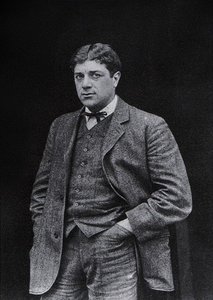
1882 - 1963 , Francia


Rimani aggiornato sulle ultime novità dell'arte, sulle offerte esclusive e sulle idee di decorazione.
Raccontaci del tuo progetto e i nostri esperti d'arte ti proporranno 3 suggerimenti artistici personalizzati.
Lascia che creiamo per te una selezione di 3 opzioni su misura – Gratis!


 Anteprima in scala reale
 Condividi
 Condividi
 Dettagli

 Scarica immagine
 Articoli simili
 Radiografia
 Slideshow
 Leggi tutto


