


x

Stampa giclée o su tela di qualità museale, con produzione rapida e diverse opzioni di finitura. ( Ordina la riproduzione dipinta a mano Acquista download)





























Scegli tra le nostre dimensioni predefinite, che rispettano le proporzioni originali dell'opera d'arte.

È possibile inserire dimensioni personalizzate per adattare l'opera a una cornice o a uno spazio specifico. Se la dimensione selezionata non corrisponde alle proporzioni dell'immagine originale, procederemo al ritaglio dell'opera o all'estensione dell'immagine con un bordo specchiato o a tinta unita. Un mockup digitale ti verrà inviato per approvazione prima dell'inizio della produzione.
Si prega di notare che l'anteprima a schermo non riflette il ritaglio o l'estensione effettivi. Solo il mockup mostrerà accuratamente la composizione finale.
Sebbene siano disponibili dimensioni personalizzate, si raccomanda di selezionare una dimensione dall'elenco predefinito per preservare le proporzioni originali.
Consegna in tutto il mondo () in 2 settimane invece delle normali 4/5 settimane. (14 Agosto)


Roman Ruins
Dimensioni della riproduzione
Hubert Robert (1733 – 1808), a Parisian painter whose career spanned the turbulent decades preceding and during the French Revolution, stands as an emblem of Romanticism's fascination with ruins—not merely as physical remnants of grandeur past but as symbols of time’s relentless march and the sublime power of nature. His artwork transcends mere representation; it strives to evoke emotion and contemplation, capturing a fleeting moment of ethereal beauty amidst crumbling stone.
Robert's canvases frequently depict landscapes dominated by ruined villas and temples—sites once celebrated for their opulent splendor now overgrown with vegetation and imbued with an air of melancholy. These scenes aren’t haphazard assemblages of stones; they are carefully constructed compositions designed to convey a profound sense of atmosphere. Consider “Roman Ruins,” where a majestic archway frames a vista of crumbling walls, verdant foliage, and figures engaged in quiet contemplation. This juxtaposition—the monumental architecture against the tranquil wilderness—immediately establishes a dialogue between history and nature.
Robert’s artistic approach aligns perfectly with the Romantic capriccio style – a genre characterized by spontaneous landscapes infused with imaginative elements. Unlike Neoclassical paintings that prioritized rational order and idealized forms, Robert embraced irregularity and emotion. He skillfully blended observation with fantasy, creating scenes that felt both grounded in reality and transcendentally beautiful. The artist’s loose brushwork—visible paint strokes—contribute to the overall impression of dynamism and immediacy.
Robert employed oil paints on canvas as his medium, allowing him to achieve remarkable tonal range and textural depth. He meticulously rendered light and shadow, capturing the subtle nuances of sunlight filtering through foliage—a technique that exemplifies Romanticism’s preoccupation with sensory experience. The artist's attention to detail is evident in the depiction of crumbling stone surfaces, moss-covered walls, and individual leaves, creating a palpable sense of realism alongside an overarching feeling of grandeur.
"Roman Ruins" speaks volumes about Romantic ideals. The decaying edifice represents not just physical deterioration but also the inevitable passage of time—a reminder that even the most magnificent creations are ultimately vulnerable to oblivion. Yet, amidst this decay flourishes life—represented by abundant vegetation and human figures—suggesting themes of regeneration and resilience. Robert’s paintings tap into the sublime – a feeling of awe inspired by confronting overwhelming beauty or terror—provoking contemplation on humanity's place within the vastness of nature and history.
Ultimately, Hubert Robert’s “Roman Ruins” achieves its emotional resonance through a masterful blend of visual elements. The warm color palette – ochres, browns, golds – evokes antiquity and warmth, while the dramatic lighting illuminates the central archway and casts shadows within the ruins. The composition draws the viewer inward, fostering a sense of intimacy with the scene and encouraging reflection on its profound symbolism. It’s a painting that lingers in the memory long after viewing—a testament to Robert's ability to transform observation into evocative art.

Hubert Robert fu un pittore francese celebrato per i suoi suggestivi paesaggi e dipinti a *capriccio*—rappresentazioni pittoresche semi-fittizie di rovine in Italia e Francia. È considerato una figura chiave che colma il divario tra i periodi Rococò e Neoclassico, anticipando aspetti del Romanticismo con la sua fascinazione per il decadimento, la storia e le ricostruzioni immaginarie.
Nicolas Robert, padre di Hubert, servì François-Joseph de Choiseul, marchese de Stainville. Robert ricevette un'istruzione gesuita al Collège de Navarre nel 1751. Successivamente studiò scultura con Michel-Ange Slodtz, che lo incoraggiò a dedicarsi alla pittura. Questa formazione iniziale gli instillò una solida base in disegno e prospettiva, elementi cruciali che avrebbero poi definito il suo stile artistico.
Il suo periodo a Roma plasmò profondamente la visione artistica di Robert. La giustapposizione delle antiche rovine romane con la vita contemporanea scatenò il suo interesse nel rappresentare il decadimento insieme alla vitalità, un tema ricorrente in tutta la sua carriera.
Il successo parigino di Robert derivò dalla sua capacità di catturare sia la grandezza dell'antichità classica che la vivacità della vita contemporanea. Le sue opere risuonarono con il pubblico affascinato dalla storia, dall'archeologia e dal pittoresco.
L'eredità di Hubert Robert risiede nella sua capacità unica di fondere accuratezza storica con visione immaginativa. Pioniere di un genere di pittura che celebrava sia la bellezza del decadimento che il potere duraturo della creatività umana. La sua opera continua a ispirare artisti e affascinare il pubblico, consolidando il suo posto come figura significativa nell'arte del XVIII secolo.

1733 - 1808 , Francia

Esplora l'opera di Hubert Robert, maestro del paesaggio e pioniere dell'antiquarianismo romantico. Scopri la sua poetica delle rovine romane, il valore artistico e come collezionare le sue opere con Most-Famous-Paintings.

Esplora i 10 capolavori del Paesaggio Romantico con Most-Famous-Paintings.com! Caspar David Friedrich, Turner e altri maestri: storia, tecnica e colori che definiscono un'epoca. Trova riproduzioni d'arte di lusso per la tua casa. Scopri la collezione completa online!

Explore the emotional power of Romantic landscape painting! Discover the sublime & picturesque traditions, key artists like Friedrich & Cole, and find your perfect artwork at Most-Famous-Paintings.
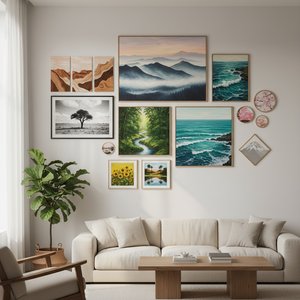
Esplora i 10 capolavori del paesaggio artistico! Da Monet a Van Gogh, scopri la storia e le tecniche dietro quadri iconici. Trova stampe su tela di alta qualità per decorare casa con arte e stile. Scopri tutte le opere su Most-Famous-Paintings.com

Explore the emotional depth of Romantic landscape painting (18th-19th century). Discover key artists like Friedrich & Cole, and the concepts of the sublime. Expert insights for art lovers & collectors.


Rimani aggiornato sulle ultime novità dell'arte, sulle offerte esclusive e sulle idee di decorazione.
Raccontaci del tuo progetto e i nostri esperti d'arte ti proporranno 3 suggerimenti artistici personalizzati.
Lascia che creiamo per te una selezione di 3 opzioni su misura – Gratis!


 Anteprima in scala reale
 Condividi
 Condividi
 Dettagli

 Scarica immagine
 Articoli simili
 Radiografia
 Slideshow


 Leggi tutto







 L'opzione vetro è disponibile solo per dimensioni inferiori a 110 cm


