


x

Olio su tela dipinto a mano nelle tue dimensioni e con la tua cornice, realizzato su ordinazione dai nostri artisti. ( Passa alla stampa Passa all'immagine)





























Scegli tra le nostre dimensioni predefinite, che rispettano le proporzioni originali dell'opera d'arte.

È possibile inserire dimensioni personalizzate per adattare l'opera a una cornice o a uno spazio specifico. Se la dimensione selezionata non corrisponde alle proporzioni dell'immagine originale, provvederemo a ritagliare l'opera o a estendere il dipinto con elementi aggiuntivi dipinti a mano. Un mockup digitale ti sarà inviato per approvazione prima dell'inizio della produzione.
Si prega di notare che l'anteprima a schermo non riflette il ritaglio o l'estensione effettivi. Solo il mockup mostrerà accuratamente la composizione finale.
Sebbene siano disponibili dimensioni personalizzate, consigliamo di selezionare una dimensione dall'elenco predefinito per preservare le proporzioni originali.
Consegna in tutto il mondo () in 3/4 settimane anziché nelle normali 5 settimane. (10 Agosto). Nessun compromesso sulla qualità.


GERARD EDELINCK
Dimensioni della riproduzione
Hyacinthe Rigaud's "Portrait of Gérard Edelinck," painted circa 1698, is more than just a likeness; it’s a meticulously crafted window into the opulent world of 18th-century French nobility. This captivating work, now residing within the Louvre Museum in Paris, exemplifies Rigaud’s signature style – a harmonious blend of Baroque grandeur and refined realism that secured his place as one of France's most celebrated portrait painters. The painting immediately draws the eye with its rich palette dominated by warm reds, deep browns, and subtle golds, creating an atmosphere of wealth and authority. Rigaud masterfully employs light to sculpt Edelinck’s face, highlighting the contours of his features and conveying a sense of dignified composure.
The composition itself is a testament to Rigaud's skill. The subject, Gérard Edelinck, a prominent calligrapher (a ‘Caligraphus’ as indicated by inscriptions on the painting), occupies a central position within a relatively shallow space. His gaze meets the viewer directly, establishing an immediate and engaging connection. The arrangement is remarkably symmetrical, reflecting the formal conventions of portraiture at the time while simultaneously imbuing the scene with a sense of balance and stability. Notice how Rigaud subtly incorporates textual elements – Latin inscriptions framing the piece – that further elevate Edelinck’s status and underscore the painting's purpose as a commemorative artwork.
Rigaud’s technique is characterized by an extraordinary level of detail and a masterful manipulation of light and shadow. He achieves this through layers of carefully applied oil paint, creating smooth transitions between tones and subtly modeling the forms of Edelinck's face, clothing, and wig. The wig itself—a towering confection of curls and powdered hair—is rendered with remarkable precision, showcasing Rigaud’s ability to capture texture and volume. Observe how he uses delicate brushstrokes to define the folds of the coat, the sheen of the fabric, and the subtle wrinkles around Edelinck's eyes – details that contribute significantly to the painting’s lifelike quality.
The use of color is equally impressive. Rigaud doesn’t simply apply pigments; he orchestrates them, creating a harmonious interplay of hues that enhances the overall effect. The warm tones evoke feelings of warmth, wealth, and sophistication, while the cooler shades in Edelinck's skin provide a subtle contrast. Furthermore, Rigaud expertly employs chiaroscuro – the dramatic use of light and shadow – to create depth and volume, drawing attention to key features and adding a sense of drama to the scene.
Beyond its technical brilliance, “Portrait of Gérard Edelinck” is rich in symbolism. The elaborate attire—the richly embroidered coat, the ornate wig—is not merely decorative; it’s a visual declaration of status and wealth. In 18th-century France, clothing was a powerful symbol of social standing, and Rigaud meticulously rendered these symbols to convey Edelinck's position within society. The inclusion of the Latin inscription further reinforces this message, elevating Edelinck’s importance and commemorating his achievements.
The painting also reflects the broader cultural context of the time. Rigaud was a court painter, deeply embedded in the world of French aristocracy. His portraits were commissioned to celebrate individuals of prominence – nobles, diplomats, scholars, and artists—and served as powerful tools for asserting social influence and commemorating important events. The portrait’s meticulous detail and formal composition reflect the prevailing artistic standards of the Baroque period, which emphasized grandeur, drama, and a celebration of human achievement.
“Portrait of Gérard Edelinck” transcends its historical context to offer a profound insight into the human condition. Edelinck’s direct gaze invites us to connect with him on a personal level, while his dignified posture conveys a sense of self-assurance and authority. Rigaud masterfully captures not only Edelinck's physical appearance but also his inner character—his intelligence, ambition, and social standing. The painting is a testament to the power of portraiture to immortalize individuals and preserve their legacy for posterity.
Today, this remarkable work continues to captivate viewers with its technical brilliance, historical significance, and emotional resonance. It stands as a shining example of Hyacinthe Rigaud’s genius—a masterpiece that embodies the spirit of 18th-century France and remains a source of inspiration for artists and art lovers alike.

Hyacinthe Rigaud (1659-1743) è stato un illustre pittore del Barocco francese di origini catalane, celebrato per i suoi ritratti magistrali che seppero catturare l'essenza della nobiltà e della moda francese del XVIII secolo. La sua opera rimane un contributo fondamentale alla storia della ritrattistica mondiale.
Nato il 18 luglio 1659 a Perpignan, nei Pirenei Orientali, in Francia, Rigaud proveniva da una famiglia con profonde radici artistiche; suo nonno era infatti un pittore-doratore. Inizialmente si formò come sarto nella bottega del padre, una professione pratica che accompagnava il suo nascente talento artistico, ma scoprì presto la sua vera passione per la pittura. A partire dal 1671, perfezionò le sue abilità sotto la guida di Antoine Ranc a Montpellier e, nel 1675, si trasferì a Lione, dove ebbe l'opportunità di confrontarsi con le opere dei grandi maestri fiamminghi, olandesi e italiani.
Lo sviluppo artistico di Rigaud fu profondamente plasmato dall'incontro con i Grandi Maestri. Egli trasse profonda ispirazione da:
Giunto a Parigi nel 1681, vinse il prestigioso premio prix de Rome nel 1682, ma scelse di non recarsi in Italia, preferendo invece continuare a sviluppare le proprie doti all'interno della Francia.
Rigaud si affermò rapidamente come uno dei principali ritrattisti di Parigi. Le sue tele erano rinomate per l'attenzione meticolosa al dettaglio, capace di catturare non solo la somiglianza dei suoi soggetti, ma anche la trama dei loro abiti e l'opulenza del loro ambiente. Fu ammesso all'Académie royale de peinture et de sculpture nel 1700 e raggiunse infine una posizione di rilievo all'interno dell'istituzione prima del suo pensionamento nel 1735.
Tra le sue opere più celebri si annoverano:
Lo stile di Rigaud è caratterizzato da un perfetto equilibrio tra diversi elementi:
I ritratti di Hyacinthe Rigaud offrono una finestra unica sul mondo della Francia del XVIII secolo. Le sue opere non sono semplici somiglianze; sono documenti storici che rivelano molto sulle usanze sociali, il potere politico e i gusti artistici dell'epoca. Egli divenne il ritrattista d'elezione dell'élite francese, consolidando il suo posto come figura chiave nella storia dell'arte.
Il Musée Hyacinthe Rigaud a Perpignan preserva e celebra il suo legato, offrendo ai visitatori la possibilità di esplorare la sua vita e le sue opere in dettaglio. I suoi dipinti continuano a essere ammirati per la loro brillantezza tecnica, la loro importanza storica e la loro bellezza intramontabile.

1659 - 1743 , Francia

Explore the opulent world of Rococo art! Discover Watteau, Boucher & Nattier's masterpieces. Expert insights for collectors seeking museum-quality reproductions and custom portraits at Most-Famous-Paintings.

Esplora l'evoluzione affascinante dell'autoritratto dall'arte classica all'era digitale. Analisi approfondite, figure chiave e contesti storici per appassionati d'arte e studiosi.

Esplora la vita e l'opera di Carlo Le Brun, maestro del Classicismo Barocco francese. Scopri il suo ruolo a Versailles, le sue tecniche pittoriche e l'eredità duratura che ha lasciato nell'arte europea. Approfondimenti esclusivi e opere chiave.
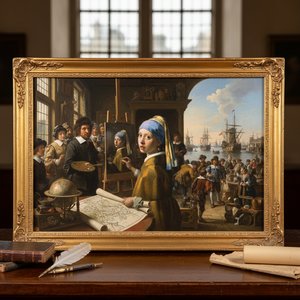
Explore the Dutch Golden Age of painting! Discover key artists like Vermeer & ter Borch, their innovative techniques, and the rich cultural context behind these Baroque masterpieces. Learn about collecting & appreciating this iconic art period.

Explore the opulent world of Rococo art! Discover its origins, key artists like Watteau & Boucher, and lasting influence on design. Expert insights for collectors & enthusiasts.


Rimani aggiornato sulle ultime novità dell'arte, sulle offerte esclusive e sulle idee di decorazione.
Raccontaci del tuo progetto e i nostri esperti d'arte ti proporranno 3 suggerimenti artistici personalizzati.
Lascia che creiamo per te una selezione di 3 opzioni su misura – Gratis!


 Anteprima in scala reale
 Condividi
 Condividi
 Dettagli

 Scarica immagine
 Articoli simili
 Radiografia
 Slideshow

 Leggi tutto







 L'opzione vetro è disponibile solo per dimensioni inferiori a 110 cm


