x


 Preview
 Ordina la riproduzione Acquista download
 Invia
Invia
 Dettagli opera
 Aggiungi ai preferiti
 Scarica
 Simili
 Radiografia
 Slideshow
Stampa giclée o su tela di qualità museale, con produzione rapida e diverse opzioni di finitura.
Scegli tra le nostre dimensioni predefinite, che rispettano le proporzioni originali dell'opera d'arte.

È possibile inserire dimensioni personalizzate per adattare l'opera a una cornice o a uno spazio specifico. Se la dimensione selezionata non corrisponde alle proporzioni dell'immagine originale, procederemo al ritaglio dell'opera o all'estensione dell'immagine con un bordo specchiato o a tinta unita. Un mockup digitale ti verrà inviato per approvazione prima dell'inizio della produzione.
Si prega di notare che l'anteprima a schermo non riflette il ritaglio o l'estensione effettivi. Solo il mockup mostrerà accuratamente la composizione finale.
Sebbene siano disponibili dimensioni personalizzate, si raccomanda di selezionare una dimensione dall'elenco predefinito per preservare le proporzioni originali.
Consegna in tutto il mondo () in 2 settimane invece delle normali 4/5 settimane. (27 Luglio)


Painted Bronze
Dimensioni riproduzione
Jasper Johns' Painted Bronze, created in 1960 but cast and painted the following year, is deceptively simple. At first glance, it presents as two unassuming twelve-ounce beer cans – rendered in bronze and meticulously painted to mimic their metallic counterparts – resting upon a stark, rectangular base. Yet, this apparent banality belies a profound engagement with American iconography, artistic tradition, and the very nature of representation. The genesis of this work is famously attributed to a seemingly offhand remark from Willem de Kooning, a fellow Abstract Expressionist, who reportedly suggested Johns “give that son-of-a-bitch two beer cans” – an observation that highlighted the burgeoning commercialization of art and the potential for transforming everyday objects into compelling subjects.
The anecdote, though perhaps embellished, underscores a key element of Johns’s artistic strategy: his ability to elevate the mundane to the level of significance. He wasn't interested in grand narratives or abstract explorations; instead, he sought to distill meaning from the familiar – the commonplace objects that populate our daily lives. This approach aligns with a broader shift within American art during the 1960s, moving away from the emotionally charged landscapes and figures of Abstract Expressionism towards a more direct engagement with recognizable imagery.
The technical execution of Painted Bronze is remarkably precise. Johns meticulously cast the beer cans in bronze, ensuring their form was faithfully replicated. However, rather than leaving them to their inherent materiality, he then applied a layer of paint – a muted gold-brown hue – that deliberately obscures and distorts the metallic surface. This act of painting isn’t merely decorative; it's a deliberate disruption of the material’s natural appearance, creating a fascinating dialogue between the cold solidity of bronze and the ephemeral qualities of paint.
The choice of bronze itself is significant. Bronze, historically associated with antiquity and permanence, lends an air of gravitas to the seemingly trivial subject matter. It elevates the beer cans from mere consumer goods to objects imbued with a sense of historical weight and symbolic resonance. The uneven application of paint further emphasizes this tension – suggesting a process of deliberate imperfection, mirroring the artist’s own approach to representation.
Beyond its technical merits, Painted Bronze is deeply rooted in American iconography. Beer cans, ubiquitous symbols of post-war prosperity and consumer culture, immediately evoke a specific historical context. The reference to “ale” – a term associated with a more refined and established social class – adds another layer of meaning, subtly referencing the hierarchies and distinctions that defined American society at the time.
Furthermore, Johns’s decision to depict beer cans rather than, say, flags or maps—other recurring motifs in his work—is particularly revealing. Flags and maps are inherently symbolic, representing national identity and geopolitical power. Beer cans, on the other hand, represent a more intimate and personal experience – a shared ritual of consumption that connects individuals across diverse social groups. In this way, Johns transforms an everyday object into a potent symbol of American culture and its complex relationship with commerce and consumerism.
Despite its seemingly simple composition, Painted Bronze possesses a remarkable emotional resonance. The work invites contemplation on the nature of representation, the blurring of boundaries between art and life, and the enduring power of everyday objects to evoke profound meaning. It’s a testament to Johns's ability to distill complex ideas into deceptively straightforward forms, leaving the viewer with a lingering sense of ambiguity and wonder.
Painted Bronze stands as a pivotal work in Jasper Johns’s oeuvre, exemplifying his innovative approach to subject matter and technique. It remains a compelling example of American art's engagement with contemporary culture and its exploration of the symbolic potential within the mundane.
Nato ad Augusta, in Georgia, nel 1930, Jasper Johns è un influente artista americano rinomato per le sue opere innovative e provocatorie che hanno ridefinito l’arte moderna. La sua carriera si estende su decenni, segnata da una costante esplorazione della forma, del simbolismo e della natura stessa della rappresentazione.
Johns ha vissuto un'infanzia difficile a seguito del divorzio dei suoi genitori. Ha frequentato diverse scuole prima di studiare alla University of South Carolina per tre semestri nel 1948-1949. Poi, si è trasferito a New York City nel 1949, dove ha studiato brevemente alla Parsons School of Design e successivamente prestato servizio nell'esercito statunitense durante la guerra di Corea. Questo periodo ha avuto un impatto significativo sul suo sviluppo artistico.
Inizialmente influenzato dall’Espressionismo Astratto, Johns ha presto iniziato a divergere dal suo approccio puramente non rappresentativo. Ha cercato una nuova lingua visiva che incorporasse immagini riconoscibili, sfidando le norme estetiche dominanti del tempo. Tra le influenze principali:
Lo stile artistico di Johns è caratterizzato da audacia, semplicità, ironia e un'ambiguità deliberata. Spesso ha impiegato tecniche come l’encaustica (pigmento mescolato con cera calda) e il collage, creando superfici testurizzate che aggiungevano strati di significato alle sue opere.
Jasper Johns ha svolto un ruolo cruciale nella transizione dall’Espressionismo Astratto all’arte Pop. Il suo uso di immagini riconoscibili ha messo in discussione l'idea che l'arte dovesse essere puramente astratta o espressiva emotivamente. Ha aperto la strada a una nuova generazione di artisti che hanno abbracciato la cultura popolare e gli oggetti quotidiani come soggetto.
La sua influenza può essere vista nel lavoro di:
Le opere di Johns sono conservate in importanti collezioni museali in tutto il mondo, tra cui:
È stato il soggetto di numerose mostre personali nel corso della sua carriera e continua a essere una figura rispettata e influente nel mondo dell'arte.
Jasper Johns rimane attivo oggi. La sua continua esplorazione dei confini artistici e il suo impatto duraturo sull’arte contemporanea consolidano la sua posizione come uno degli artisti più importanti del XX e XXI secolo.
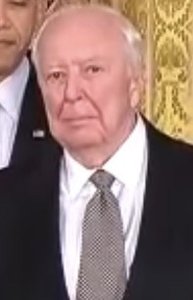
1930 - , Stati Uniti d'America

Esplora la vita e l'opera di Jacob Kainen, pioniere dell'Espressionismo Astratto americano e della pittura a campi di colore. Approfondimenti storici, influenze artistiche e l'eredità del movimento.

Esplora l'evoluzione dell'espressionismo astratto con Willem de Kooning. Analisi approfondita del suo stile, l'influenza italiana e il suo impatto sull'arte moderna. Scopri perché De Kooning è un investimento prezioso per i collezionisti.

Esplora il mondo di Richard Lindner, figura chiave della Pop Art Americana. Analisi approfondita del suo stile unico, la rappresentazione del corpo femminile e l'impatto sulla storia dell'arte contemporanea. Scopri perché le sue opere sono un investimento prezioso.

Esplora la poetica di Jim Dine, pioniere della Pop Art e dell'Happening. Analisi approfondita delle sue opere iconiche, il simbolismo personale e consigli per i collezionisti d'arte.

Esplora l'opera di Abbott Handerson Thayer, pittore americano innovativo tra realismo etereo e simbolismo spirituale. Analisi approfondita del suo stile unico, dagli angeli alle figure alate e allo studio del mimetismo animale.


Rimani aggiornato sulle ultime novità dell'arte, sulle offerte esclusive e sulle idee di decorazione.
Raccontaci del tuo progetto e i nostri esperti d'arte ti proporranno 3 suggerimenti artistici personalizzati.
Lascia che ci pensiamo noi: 3 opzioni su misura per te – Gratis!


 Condividi


 Scopri di più




































 L'opzione vetro è disponibile solo per dimensioni inferiori a 110 cm