


x
 Oil On CanvasWallArtRococo
 1744
1744 61.0 x 49.0 cm
 Galleria degli Uffizi
Acquista un'immagine digitale ad alta risoluzione e ottimizzata, di qualità nettamente superiore all'anteprima online.
Ogni file è meticolosamente preparato dai nostri specialisti interni attraverso l'uso di strumenti avanzati e un sapiente ritocco manuale. Garantiamo che ogni immagine presenti una chiarezza eccezionale, una precisione cromatica impeccabile e dettagli raffinati.
Il file finale viene consegnato via e-mail entro 72 ore, ottimizzato per un uso immediato in contesti professionali, editoriali e di stampa. Si tratta della stessa qualità affidata ai più prestigiosi studi di design, editori e gallerie d'arte.
Scarica un file ad alta risoluzione per uso personale, per la stampa e per progetti creativi. ( Ordina stampa Ordina la riproduzione dipinta a mano)
Quando scegli Most-Famous-Paintings.com, non riceverai solo un'immagine: riceverai un'opera d'arte digitale professionalmente ottimizzata, realizzata con la massima precisione e accompagnata da una garanzia di soddisfazione. Ecco tutto ciò che include il tuo ordine, automaticamente:

Riceverai il file dell'immagine digitale ad alta risoluzione via email entro 72 ore dall'ordine, pronto per un uso immediato.

La tua opera d'arte viene ottimizzata professionalmente attraverso l'uso di strumenti avanzati di intelligenza artificiale e una revisione manuale, garantendo il massimo livello di dettaglio, nitidezza e accuratezza cromatica.

Hai eliminato o perso accidentalmente il tuo file? Non preoccuparti: te lo invieremo di nuovo in qualsiasi momento, gratuitamente.

Goditi la tua opera d'arte istantaneamente senza costi doganali, dazi o spese di spedizione: i download digitali sono sempre esenti da tasse.

Garantiamo che la tua immagine digitale rifletta i colori originali con la massima fedeltà, grazie all'uso di strumenti professionali e a una gestione accurata del colore.

Se non sei soddisfatto della tua immagine digitale, la revisioneremo o ti rimborseremo il 100% entro 60 giorni, senza domande.

Non sei soddisfatto? Ricevi un rimborso completo entro 60 giorni dal ricevimento del tuo file digitale, senza dover fornire spiegazioni.

Acquista 3 immagini, risparmia il 10% - Acquista 5, risparmia il 15% - Acquista 10+, risparmia il 20%. Ideale per progetti creativi, gallerie e agenzie.
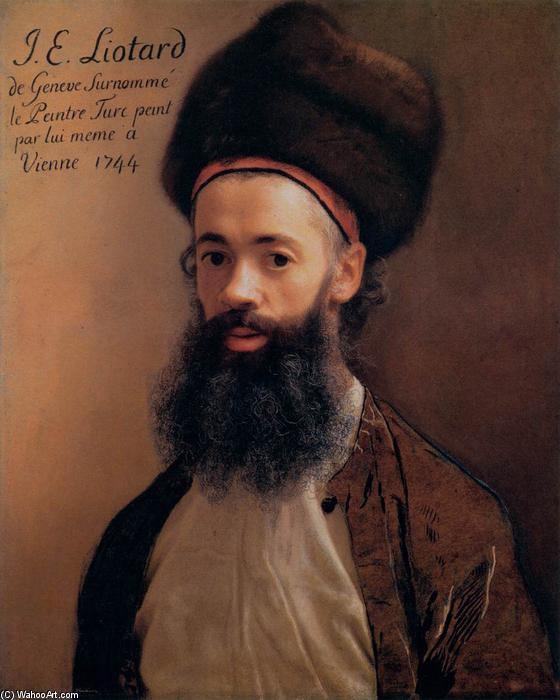
The year 1744 marks a pivotal moment in the artistic trajectory of Jean-Étienne Liotard, a Genevan painter whose oeuvre is defined by an exquisite blend of naturalism and ethereal beauty. His “Self-Portrait,” housed within the hallowed halls of the Uffizi Gallery in Florence, isn’t merely a depiction of a man; it's a carefully constructed meditation on identity, perception, and the delicate balance between the observed world and the inner self. Painted during his period in Rome, this pastel masterpiece exemplifies Liotard’s signature style – a luminous, almost dreamlike quality achieved through masterful layering and an unparalleled sensitivity to light and texture.
Liotard's technique is immediately striking. He eschews the rigid formality of traditional portraiture, opting instead for a relaxed pose and a gaze that feels both direct and contemplative. The pastel medium itself—a relatively new tool in 18th-century art—allowed Liotard to build up color with astonishing subtlety, creating an effect akin to sfumato, the hazy blurring technique perfected by Leonardo da Vinci. Notice how he employs delicate washes of pinks, blues, and greens to capture the nuances of light on his face and clothing, imbuing the portrait with a sense of atmospheric depth. The background, rendered in loose, impressionistic strokes, isn’t merely decorative; it subtly reinforces the feeling of introspection, suggesting an inner landscape mirroring the sitter's thoughts.
Born in Geneva in 1702, Liotard’s early life was shaped by his Huguenot heritage and a rigorous artistic training under esteemed miniaturists. However, it was his sojourn to Constantinople between 1738 and 1742 that profoundly influenced his artistic vision. Immersed in the vibrant culture of the Ottoman Empire, he developed a fascination with Eastern aesthetics – particularly the use of rich colors, luxurious fabrics, and the portrayal of everyday life. This influence is subtly present in “Self-Portrait,” not through overt Orientalist tropes, but rather through the overall mood of serenity and an appreciation for tactile textures. The loose brushwork and soft color palette evoke a sense of exoticism without resorting to stereotypical imagery.
Interestingly, Liotard’s embrace of the East wasn't solely aesthetic; it was also deeply personal. He deliberately adopted Turkish dress in his portraits, a conscious decision that challenged European conventions and established him as a unique figure within the art world. This choice, documented in numerous accounts, reflected not just an artistic preference but a genuine engagement with a culture vastly different from his own. It’s a testament to Liotard's intellectual curiosity and willingness to transcend conventional boundaries.
Beyond its technical brilliance, “Self-Portrait” is rich in symbolic meaning. The sitter’s direct gaze invites the viewer into his world, fostering a sense of intimacy and shared contemplation. The slightly parted lips suggest a quiet amusement, while the subtle furrow of his brow hints at underlying thoughts and emotions. Some art historians have interpreted the portrait as an exploration of the concept of “inner space”—a realm where the self is revealed through careful observation and artistic representation.
The inclusion of a small, partially visible book in the foreground adds another layer of complexity. It’s a subtle nod to Liotard's own intellectual pursuits – his studies of art theory and his role as an art dealer. The book symbolizes knowledge, reflection, and the pursuit of understanding—qualities that are central to the portrait’s overall message. The soft lighting and hazy atmosphere further contribute to this sense of introspection, creating a space where the viewer is invited to contemplate not just the subject's appearance but also his inner world.
Liotard’s “Self-Portrait” remains a captivating work of art, offering a rare glimpse into the mind and soul of a remarkable artist. Its delicate pastel technique, evocative atmosphere, and profound symbolism continue to resonate with viewers centuries after its creation. A high-quality reproduction captures much of this beauty, making it an ideal addition to any collection or interior space. The painting’s luminous quality and contemplative mood create a sense of serenity and intellectual engagement—a perfect choice for those seeking art that transcends mere decoration.


1702 - 1789 , Svizzera


Rimani aggiornato sulle ultime novità dell'arte, sulle offerte esclusive e sulle idee di decorazione.
Raccontaci del tuo progetto e i nostri esperti d'arte ti proporranno 3 suggerimenti artistici personalizzati.
Lascia che creiamo per te una selezione di 3 opzioni su misura – Gratis!


 Anteprima in scala reale
 Condividi
 Condividi
 Dettagli

 Scarica immagine
 Articoli simili
 Radiografia
 Slideshow
 Leggi tutto


