


x

Acquista un'immagine digitale ad alta risoluzione e ottimizzata, di qualità nettamente superiore all'anteprima online.
Ogni file è meticolosamente preparato dai nostri specialisti interni attraverso l'uso di strumenti avanzati e un sapiente ritocco manuale. Garantiamo che ogni immagine presenti una chiarezza eccezionale, una precisione cromatica impeccabile e dettagli raffinati.
Il file finale viene consegnato via e-mail entro 72 ore, ottimizzato per un uso immediato in contesti professionali, editoriali e di stampa. Si tratta della stessa qualità affidata ai più prestigiosi studi di design, editori e gallerie d'arte.
Scarica un file ad alta risoluzione per uso personale, per la stampa e per progetti creativi. ( Ordina stampa Ordina la riproduzione dipinta a mano)
Quando scegli Most-Famous-Paintings.com, non riceverai solo un'immagine: riceverai un'opera d'arte digitale professionalmente ottimizzata, realizzata con la massima precisione e accompagnata da una garanzia di soddisfazione. Ecco tutto ciò che include il tuo ordine, automaticamente:

Riceverai il file dell'immagine digitale ad alta risoluzione via email entro 72 ore dall'ordine, pronto per un uso immediato.

La tua opera d'arte viene ottimizzata professionalmente attraverso l'uso di strumenti avanzati di intelligenza artificiale e una revisione manuale, garantendo il massimo livello di dettaglio, nitidezza e accuratezza cromatica.

Hai eliminato o perso accidentalmente il tuo file? Non preoccuparti: te lo invieremo di nuovo in qualsiasi momento, gratuitamente.

Goditi la tua opera d'arte istantaneamente senza costi doganali, dazi o spese di spedizione: i download digitali sono sempre esenti da tasse.

Garantiamo che la tua immagine digitale rifletta i colori originali con la massima fedeltà, grazie all'uso di strumenti professionali e a una gestione accurata del colore.

Se non sei soddisfatto della tua immagine digitale, la revisioneremo o ti rimborseremo il 100% entro 60 giorni, senza domande.

Non sei soddisfatto? Ricevi un rimborso completo entro 60 giorni dal ricevimento del tuo file digitale, senza dover fornire spiegazioni.

Acquista 3 immagini, risparmia il 10% - Acquista 5, risparmia il 15% - Acquista 10+, risparmia il 20%. Ideale per progetti creativi, gallerie e agenzie.
John Constable's “Overbury Hall, Suffolk,” painted in 1815, isn’t merely a depiction of an old building; it’s a carefully constructed meditation on light, texture, and the enduring spirit of rural England. This remarkable pencil drawing, now housed within the Victoria & Albert Museum’s Prints & Drawings Study Room, offers a poignant glimpse into a bygone era – a time when the rhythms of agricultural life intertwined seamlessly with the beauty of the natural world. The scene unfolds in a quiet corner of Suffolk, where Overbury Hall, a modest yet dignified structure, stands nestled amongst rolling fields and a meandering stream. It’s a landscape imbued with a sense of melancholy and timelessness, reflecting Constable's deep connection to his native county.
Constable’s genius lies not just in his technical skill – the meticulous rendering of weathered wood, the subtle gradations of tone achieved through masterful hatching and cross-hatching – but also in his ability to evoke atmosphere. The drawing is dominated by a soft, diffused light, casting long shadows that suggest both the stillness of the afternoon and the passage of time. This atmospheric quality is further enhanced by Constable’s use of perspective; he employs a flattened approach, characteristic of topographical drawings popular at the time, creating an illusion of depth through carefully placed lines and variations in detail. The composition itself is deliberately balanced, with the building anchoring the scene while the surrounding landscape provides a sense of spaciousness and tranquility.
Executed entirely in pencil on paper, “Overbury Hall” exemplifies Constable's distinctive style – a blend of meticulous observation and expressive brushwork. He employed a technique known as ‘hatching,’ where parallel lines are drawn closely together to create tonal variations, effectively simulating the texture of wood and stone. Cross-hatching, achieved by layering these hatched lines at an angle, adds further depth and richness to the surface. Notice how Constable meticulously captures the rough grain of the building’s timbers, the unevenness of the fields, and the delicate ripples in the water – each detail rendered with a remarkable degree of sensitivity.
The drawing's overall effect is one of quiet contemplation. The lines are not sharply defined; instead, they possess a fluidity that mirrors the natural world itself. This approach reflects Constable’s belief that painting should be an honest representation of nature, capturing its essence rather than simply imitating its appearance. He was deeply influenced by the works of Claude Lorrain and other Old Masters, but he ultimately developed his own unique style – one characterized by a profound understanding of light, color, and texture.
The subject itself, Overbury Hall, is a significant element within the drawing's narrative. While the exact location of the hall remains somewhat debated—scholarly research suggests it may be Overbury Court in Tewkesbury, Worcestershire—it represents a quintessential example of rural architecture from the early 18th century. The building’s modest size and weathered appearance speak to its long history and connection to the land. It's a structure that has witnessed generations of farmers and laborers, silently observing the changing seasons and the ebb and flow of life in Suffolk.
The inclusion of livestock – cows grazing peacefully in the foreground – further reinforces this sense of rural tradition. They are not merely decorative elements; they are integral to the landscape, representing the economic heart of the region. The scene as a whole evokes a feeling of nostalgia for a simpler time—a time when life was closely tied to the rhythms of nature and the land provided sustenance and livelihood.
Beyond its purely representational qualities, “Overbury Hall” is rich in symbolism. The drawing’s muted palette and melancholic atmosphere suggest a sense of loss—the decline of rural life, the fading of traditional ways, and the inevitable passage of time. Yet, there's also an underlying feeling of resilience – a quiet dignity that endures despite the challenges faced by those who inhabit this landscape. Constable’s masterful use of light and shadow creates a powerful emotional resonance, inviting viewers to contemplate the beauty and fragility of the natural world.
Reproductions of “Overbury Hall” offer an exceptional opportunity to bring this evocative scene into your home or office. Whether you're drawn to its historical significance, its artistic merit, or simply its captivating atmosphere, this drawing is a timeless testament to John Constable’s genius and his profound love for the English countryside.
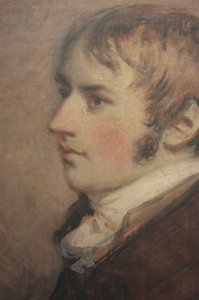
1776 - 1837 , Regno Unito


Rimani aggiornato sulle ultime novità dell'arte, sulle offerte esclusive e sulle idee di decorazione.
Raccontaci del tuo progetto e i nostri esperti d'arte ti proporranno 3 suggerimenti artistici personalizzati.
Lascia che creiamo per te una selezione di 3 opzioni su misura – Gratis!


 Anteprima in scala reale
 Condividi
 Condividi
 Dettagli

 Scarica immagine
 Articoli simili
 Radiografia
 Slideshow
 Leggi tutto


