


x


 Oil On CanvasWallArtBaroque Painting
 1630
1630 123.0 x 95.0 cm
 Museo delle Belle Arti
Olio su tela dipinto a mano nelle tue dimensioni e con la tua cornice, realizzato su ordinazione dai nostri artisti. ( Passa alla stampa Passa all'immagine)





























Scegli tra le nostre dimensioni predefinite, che rispettano le proporzioni originali dell'opera d'arte.

È possibile inserire dimensioni personalizzate per adattare l'opera a una cornice o a uno spazio specifico. Se la dimensione selezionata non corrisponde alle proporzioni dell'immagine originale, provvederemo a ritagliare l'opera o a estendere il dipinto con elementi aggiuntivi dipinti a mano. Un mockup digitale ti sarà inviato per approvazione prima dell'inizio della produzione.
Si prega di notare che l'anteprima a schermo non riflette il ritaglio o l'estensione effettivi. Solo il mockup mostrerà accuratamente la composizione finale.
Sebbene siano disponibili dimensioni personalizzate, consigliamo di selezionare una dimensione dall'elenco predefinito per preservare le proporzioni originali.
Consegna in tutto il mondo () in 3/4 settimane anziché nelle normali 5 settimane. (3 Agosto). Nessun compromesso sulla qualità.


Saint Jerome
Dimensioni della riproduzione
Jusepe de Ribera's "Saint Jerome," painted circa 1638-40, isn’t merely a portrait; it’s an immersion into the soul of a man wrestling with divine purpose and earthly suffering. This monumental work, currently residing in the Cleveland Museum of Art, exemplifies Ribera’s signature style – a dramatic blend of tenebrism, raw realism, and profound spiritual intensity that secured his place as one of the most significant artists of the Spanish Baroque era. More than just depicting a biblical figure, Ribera captures a universal struggle with faith, repentance, and the burden of divine responsibility.
The painting immediately commands attention through its masterful use of light and shadow. Ribera employs a technique known as chiaroscuro – a stark contrast between intensely illuminated areas and deep, enveloping darkness – to sculpt the figure of Saint Jerome from the gloom. The saint’s face, partially obscured by shadow, is rendered with an almost photographic realism, capturing every wrinkle, furrow, and the haunted expression etched upon his brow. This deliberate obscurity draws the viewer in, forcing a contemplative engagement with the subject's inner turmoil.
Saint Jerome, traditionally depicted as the hermit who translated the Bible into Latin, is presented here not as a serene scholar but as a man consumed by his task. He’s shown in a desolate landscape – a barren desert, rendered with muted browns and ochres – beating his breast with a stone, an act of self-flagellation symbolizing repentance and devotion. The inclusion of a skull beneath his hand is a potent reminder of mortality and the vanity of earthly pursuits, urging viewers to contemplate their own spiritual journeys.
The composition itself is carefully constructed to amplify this sense of drama. Ribera utilizes a pyramidal structure, with Jerome’s figure forming the apex, drawing the eye upwards and emphasizing his importance within the scene. The outstretched hand holding a scroll – bearing the words of the Vulgate Bible – represents not just the accomplishment of translating scripture but also the weight of that responsibility. It's a visual declaration of faith undertaken with profound humility.
Ribera’s style is deeply rooted in the artistic innovations of Michelangelo Merisi da Caravaggio, whom he encountered and profoundly admired during his time in Rome. Like Caravaggio, Ribera favored dramatic lighting, intense realism, and a focus on human emotion. However, Ribera infused this Italian influence with distinctly Spanish sensibilities – a heightened sense of drama, a darker palette, and an unflinching portrayal of the human condition. The painting’s somber mood reflects the prevailing religious fervor and social anxieties of 17th-century Spain.
Born in Xativa, Valencia, in 1591, Ribera's life was marked by hardship and exile. He spent much of his career in Naples, where he established a prolific workshop and cultivated a devoted following. His paintings often depict scenes of martyrdom, poverty, and religious ecstasy – subjects that resonated deeply with the social realities of the time. “Saint Jerome” is a testament to Ribera’s ability to transform historical narratives into emotionally resonant works of art.
“Saint Jerome” transcends its biblical subject matter, offering a timeless meditation on faith, repentance, and the human struggle for spiritual understanding. The painting's power lies not just in its technical brilliance but also in its ability to evoke a profound sense of empathy and contemplation. It’s a work that invites viewers to consider their own relationship with faith, mortality, and the enduring weight of responsibility – a truly remarkable achievement of the Spanish Baroque.

Jusepe de Ribera, conosciuto anche come Lo Spagnoletto ("Il Piccolo Spagnolo"), fu una figura fondamentale nella pittura barocca spagnola. Nato a Valencia, in Spagna, nel 1591, divenne rinomato per le sue rappresentazioni drammatiche e intensamente realistiche di soggetti religiosi, martirii, ritratti, nature morte e paesaggi. La sua carriera si estese sia in Spagna che in Italia, con Napoli che funse da sua base artistica principale per gran parte della sua vita.
I dettagli precoci della vita di Ribera rimangono in qualche modo oscuri. Si ritiene che inizialmente si sia formato a Valencia prima di trasferirsi in Italia intorno al 1607. Il suo periodo a Roma lo espose alle opere di Caravaggio e Guido Reni, influenzando profondamente il suo sviluppo artistico. Ribera assorbì l'uso drammatico della luce e dell'ombra pioniere da Caravaggio (tenebroismo) incorporando al contempo elementi di composizione classica dagli artisti come Reni. Questa sintesi risultò in uno stile unico caratterizzato da intensa emotività, crudo realismo e potenti narrazioni.
L'eredità artistica di Ribera si basa su una serie di opere avvincenti che esemplificano l'estetica barocca. Alcune delle sue pitture più celebrate includono:
Il suo stile è immediatamente riconoscibile attraverso:
La carriera di Ribera può essere suddivisa in due fasi principali. Il suo lavoro precedente, pesantemente influenzato da Caravaggio, è caratterizzato da un realismo più crudo e da un uso più drammatico del tenebrismo. In seguito nella sua carriera, in particolare dopo essersi stabilito permanentemente a Napoli, il suo stile si evolse per incorporare colori più ricchi, illuminazione più morbida e composizioni più complesse. Pur mantenendo gli elementi fondamentali della sua estetica barocca, le sue opere successive dimostrano un maggiore grado di raffinatezza.
L'influenza di Ribera si estese oltre la Spagna, influenzando artisti in tutta Europa. Il suo uso innovativo del tenebrismo e il suo realismo inflessibile stabilirono un nuovo standard per la pittura religiosa. Artisti come José de Ribera (un artista successivo influenzato da Jusepe) esplorarono ulteriormente queste tecniche. Oggi, le opere di Ribera sono ospitate in prestigiosi musei in tutto il mondo, tra cui il Museo del Prado in Spagna, la National Gallery of Art a Washington D.C. e numerose istituzioni in Europa.
Jusepe de Ribera si erge come una figura centrale nell'arte barocca spagnola, insieme a Francisco de Zurbarán, Bartolomé Esteban Murillo e Diego Velázquez. I suoi contributi allo sviluppo del tenebrismo sono innegabili e le sue potenti rappresentazioni di temi religiosi continuano a risuonare con il pubblico oggi. La collezione Most-Famous-Paintings offre una panoramica completa della sua produzione artistica, consentendo agli spettatori di apprezzare appieno l'ampiezza del suo talento e la sua eredità duratura.

1591 - 1652 , Spagna

Esplora i 25 capolavori di Claude Monet, il maestro dell'Impressionismo. Scopri la storia, i colori e le tecniche dietro ninfee, paesaggi iconici e dipinti famosi. Trova riproduzioni artistiche di alta qualità per arredare casa con stile su Most-Famous-Paintings.com.
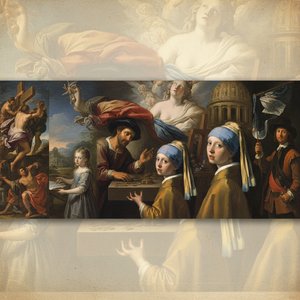
Esplora i 10 capolavori barocchi di Caravaggio, Bernini e Rembrandt che hanno rivoluzionato l'arte. Scopri storie, tecniche e colori iconici. Trova riproduzioni d'arte di alta qualità per la tua casa su !
Esplora i 25 capolavori dell'Alte Pinakothek di Monaco! Scopri la storia, gli artisti (Leonardo, Raffaello, Rembrandt) e le emozioni dietro dipinti rinascimentali e barocchi iconici. Trova riproduzioni artistiche di alta qualità per decorare casa con Most-Famous-Paintings.com.

Esplora i 10 capolavori della pittura barocca: Caravaggio, Rembrandt e altri maestri. Scopri la storia, le tecniche e l'impatto di questi dipinti iconici. Trova riproduzioni d'arte di qualità museale su Most-Famous-Paintings.com.

Explore the captivating world of chiaroscuro & tenebrism! Discover Caravaggio's influence, Baroque masters, and the enduring power of dramatic lighting in art history. Learn about these techniques with Most-Famous-Paintings.


Rimani aggiornato sulle ultime novità dell'arte, sulle offerte esclusive e sulle idee di decorazione.
Raccontaci del tuo progetto e i nostri esperti d'arte ti proporranno 3 suggerimenti artistici personalizzati.
Lascia che creiamo per te una selezione di 3 opzioni su misura – Gratis!


 Anteprima in scala reale
 Condividi
 Condividi
 Dettagli

 Scarica immagine
 Articoli simili
 Radiografia
 Slideshow
 Leggi tutto







 L'opzione vetro è disponibile solo per dimensioni inferiori a 110 cm


