x
 Olio su tavolaRitorno al Barocco
 1620Early Modern
 49.0 x 38.0 cm
 Museo de Arte de Ponce
Olio su tela dipinto a mano nelle tue dimensioni e con la tua cornice, realizzato su ordinazione dai nostri artisti. ( Ordina stampa Acquista download)





























Scegli tra le nostre dimensioni predefinite, che rispettano le proporzioni originali dell'opera d'arte.

È possibile inserire dimensioni personalizzate per adattare l'opera a una cornice o a uno spazio specifico. Se la dimensione selezionata non corrisponde alle proporzioni dell'immagine originale, provvederemo a ritagliare l'opera o a estendere il dipinto con elementi aggiuntivi dipinti a mano. Un mockup digitale ti sarà inviato per approvazione prima dell'inizio della produzione.
Si prega di notare che l'anteprima a schermo non riflette il ritaglio o l'estensione effettivi. Solo il mockup mostrerà accuratamente la composizione finale.
Sebbene siano disponibili dimensioni personalizzate, consigliamo di selezionare una dimensione dall'elenco predefinito per preservare le proporzioni originali.
Consegna in tutto il mondo () in 3/4 settimane anziché nelle normali 5 settimane. (18 Agosto). Nessun compromesso sulla qualità.


San Paolo
Dimensioni della riproduzione
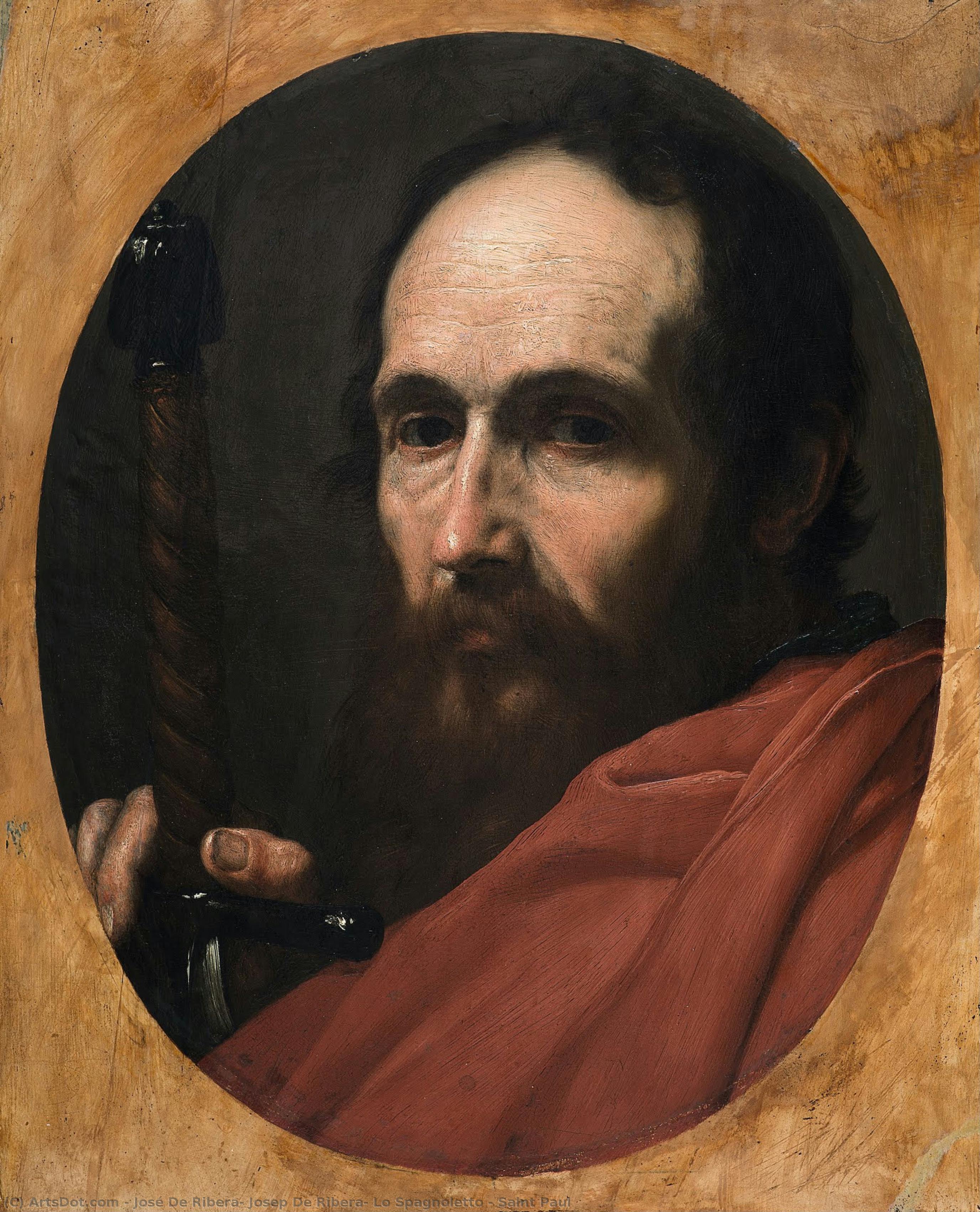
In the quiet, hallowed halls of the Monasterio de San Juan de los Reyes in Toledo, there exists a moment of profound stillness captured in paint. Jusepe de Ribera’s Saint Paul is not merely a portrait; it is an encounter with the divine through the lens of the deeply human. Created around 1620, this masterpiece serves as a breathtaking example of the Baroque era's ability to marry spiritual intensity with a gritty, unyielding realism. As one gazes upon the weathered face of the Apostle, the boundaries between the historical figure and the viewer begin to dissolve, replaced by a shared sense of contemplative gravity.
Ribera, often affectionately known as Lo Spagnoletto, was a master of the shadows. Having been profoundly influenced by the revolutionary tenebrism of Caravaggio, he utilized extreme contrasts of light and dark to sculpt form out of nothingness. In this particular work, the light does not simply illuminate; it interrogates. It strikes the textures of the Saint's skin, highlighting every furrowed brow and silvered strand of his beard, while simultaneously plunging the background into an impenetrable, mysterious void. This technique creates a dramatic tension that pulls the viewer into the Apostle's internal struggle and eventual peace.
What distinguishes this work from the idealized, polished portraits of the Renaissance is Ribera’s relentless pursuit of truth. He does not shy away from the tactile reality of existence. Within the rich, crimson folds of the Saint's robe, one can sense the weight and coarseness of the fabric. The artist’s brushwork is deliberate and thick, applying layers of paint that give the subject a three-dimensional presence. There is a visceral quality to the depiction—a focus on the anatomy of age and the physical toll of a life dedicated to faith. This commitment to realism ensures that Saint Paul feels less like a distant icon and more like a living, breathing man caught in a moment of profound reflection.
The symbolism within the frame is both subtle and striking. The presence of the swords, held with a solemnity that suggests both his martyrdom and his spiritual authority, serves as a powerful mnemonic for the Saint's history. These elements, combined with the vibrant yet somber palette, create an emotional resonance that is difficult to escape. For the collector or the interior designer, this piece offers more than just aesthetic beauty; it provides a focal point of intellectual and emotional depth. It is a work that demands attention, inviting conversation and providing a sense of historical weight to any curated space.
To possess a reproduction of Ribera’s Saint Paul is to bring a piece of Spanish Baroque history into the contemporary home. Whether placed in a study filled with books or as a centerpiece in a grand gallery, the painting’s dramatic chiaroscuro provides an unparalleled sense of sophistication and drama. It appeals to those who appreciate art that tells a story—not just of saints and legends, but of the very essence of human endurance and the transformative power of light.
For the discerning eye, this artwork represents the pinnacle of 17th-century mastery. It is an invitation to slow down, to look closer at the textures of life, and to find beauty in the shadows. As a high-quality hand-painted reproduction, it captures the soul of Ribera’s original, offering an opportunity to live alongside a masterpiece that has captivated scholars and devotees for over four centuries.

Jusepe de Ribera, conosciuto anche come Lo Spagnoletto ("Il Piccolo Spagnolo"), fu una figura fondamentale nella pittura barocca spagnola. Nato a Valencia, in Spagna, nel 1591, divenne rinomato per le sue rappresentazioni drammatiche e intensamente realistiche di soggetti religiosi, martirii, ritratti, nature morte e paesaggi. La sua carriera si estese sia in Spagna che in Italia, con Napoli che funse da sua base artistica principale per gran parte della sua vita.
I dettagli precoci della vita di Ribera rimangono in qualche modo oscuri. Si ritiene che inizialmente si sia formato a Valencia prima di trasferirsi in Italia intorno al 1607. Il suo periodo a Roma lo espose alle opere di Caravaggio e Guido Reni, influenzando profondamente il suo sviluppo artistico. Ribera assorbì l'uso drammatico della luce e dell'ombra pioniere da Caravaggio (tenebroismo) incorporando al contempo elementi di composizione classica dagli artisti come Reni. Questa sintesi risultò in uno stile unico caratterizzato da intensa emotività, crudo realismo e potenti narrazioni.
L'eredità artistica di Ribera si basa su una serie di opere avvincenti che esemplificano l'estetica barocca. Alcune delle sue pitture più celebrate includono:
Il suo stile è immediatamente riconoscibile attraverso:
La carriera di Ribera può essere suddivisa in due fasi principali. Il suo lavoro precedente, pesantemente influenzato da Caravaggio, è caratterizzato da un realismo più crudo e da un uso più drammatico del tenebrismo. In seguito nella sua carriera, in particolare dopo essersi stabilito permanentemente a Napoli, il suo stile si evolse per incorporare colori più ricchi, illuminazione più morbida e composizioni più complesse. Pur mantenendo gli elementi fondamentali della sua estetica barocca, le sue opere successive dimostrano un maggiore grado di raffinatezza.
L'influenza di Ribera si estese oltre la Spagna, influenzando artisti in tutta Europa. Il suo uso innovativo del tenebrismo e il suo realismo inflessibile stabilirono un nuovo standard per la pittura religiosa. Artisti come José de Ribera (un artista successivo influenzato da Jusepe) esplorarono ulteriormente queste tecniche. Oggi, le opere di Ribera sono ospitate in prestigiosi musei in tutto il mondo, tra cui il Museo del Prado in Spagna, la National Gallery of Art a Washington D.C. e numerose istituzioni in Europa.
Jusepe de Ribera si erge come una figura centrale nell'arte barocca spagnola, insieme a Francisco de Zurbarán, Bartolomé Esteban Murillo e Diego Velázquez. I suoi contributi allo sviluppo del tenebrismo sono innegabili e le sue potenti rappresentazioni di temi religiosi continuano a risuonare con il pubblico oggi. La collezione Most-Famous-Paintings offre una panoramica completa della sua produzione artistica, consentendo agli spettatori di apprezzare appieno l'ampiezza del suo talento e la sua eredità duratura.

1591 - 1652 , Spagna

Explore the profound drama of Spanish Baroque art. Delve into the mastery of light, shadow, and realism through the legendary works of Diego Velázquez and the Spanish Golden Age with our expert-led historical guide.

Explore the dramatic world of Tenebrism. Discover how Baroque masters like Caravaggio used intense light and shadow to redefine realism. A definitive guide for art enthusiasts seeking to understand the power of chiaroscuro in classical masterpieces.

Explore the profound elegance of Baroque Classicism. Discover how 17th-century masters synthesized dramatic emotion with classical order through the lens of the Counter-Reformation and the works of legends like Carlo Maratta and Andrea Sacchi.

Explore the dramatic evolution from Mannerist distortion to Baroque grandeur. Discover how light, shadow, and emotion redefined art history through a masterclass in technical mastery and religious fervor.


Rimani aggiornato sulle ultime novità dell'arte, sulle offerte esclusive e sulle idee di decorazione.
Raccontaci del tuo progetto e i nostri esperti d'arte ti proporranno 3 suggerimenti artistici personalizzati.
Lascia che creiamo per te una selezione di 3 opzioni su misura – Gratis!


 Anteprima in scala reale
 Condividi
 Condividi
 Dettagli

 Scarica immagine
 Articoli simili
 Radiografia
 Slideshow
 Leggi tutto







 L'opzione vetro è disponibile solo per dimensioni inferiori a 110 cm