


x

 Acquista stampa Acquista download
 Invia
Invia
 Dettagli opera
 Aggiungi ai preferiti
 Scarica
 Simili
 Radiografia
 Slideshow
 Acrilico su telaArte da pareteColor Field Painting
 218.0 x 218.0 cm
 Museo d'Arte Chrysler
Olio su tela dipinto a mano nelle tue dimensioni e con la tua cornice, realizzato su ordinazione dai nostri artisti.





























Scegli tra le nostre dimensioni predefinite, che rispettano le proporzioni originali dell'opera d'arte.

È possibile inserire dimensioni personalizzate per adattare l'opera a una cornice o a uno spazio specifico. Se la dimensione selezionata non corrisponde alle proporzioni dell'immagine originale, provvederemo a ritagliare l'opera o a estendere il dipinto con elementi aggiuntivi dipinti a mano. Un mockup digitale ti sarà inviato per approvazione prima dell'inizio della produzione.
Si prega di notare che l'anteprima a schermo non riflette il ritaglio o l'estensione effettivi. Solo il mockup mostrerà accuratamente la composizione finale.
Sebbene siano disponibili dimensioni personalizzate, consigliamo di selezionare una dimensione dall'elenco predefinito per preservare le proporzioni originali.
Consegna in tutto il mondo () in 3/4 settimane anziché nelle normali 5 settimane. (23 Luglio). Nessun compromesso sulla qualità.


Bionda
Dimensioni riproduzione
In the mid-1960s, as American art was undergoing a seismic shift, Kenneth Noland emerged as a pivotal figure, redefining abstraction through his masterful manipulation of color and form. “Blonde,” painted in 1965, isn’t merely a painting; it's an immersive experience—a carefully orchestrated dialogue between yellow and green, suggesting the quiet contemplation of a summer afternoon. This work represents a crucial moment in Noland’s trajectory, solidifying his embrace of Color Field painting and establishing him as a leading voice within the Washington Color School movement.
The genesis of “Blonde” lies in Noland's relentless pursuit of distilling art to its purest elements: color, shape, and spatial relationships. He moved away from the gestural brushstrokes characteristic of Abstract Expressionism, opting instead for a more controlled and deliberate approach. This involved applying thin layers of acrylic paint directly onto unprimed canvas, allowing the inherent texture and variations in the fabric to subtly influence the final image. The result is a surface that breathes—a delicate interplay between matte and sheen, inviting the viewer to lose themselves within its chromatic depths.
At first glance, “Blonde” presents a deceptively simple composition: a large square of vibrant yellow juxtaposed against a smaller triangle of verdant green. However, this apparent simplicity belies a profound complexity. Noland wasn’t interested in creating a representational image; rather, he sought to evoke an emotional response through the pure interaction of color. The yellow, often described as a luminous lemon hue, radiates warmth and optimism, while the green offers a grounding counterpoint—a suggestion of nature, tranquility, and perhaps even melancholy.
Noland’s technique was revolutionary for its time. He eschewed traditional brushwork, opting instead for a method he termed “staining.” He would apply thin layers of acrylic paint directly to the canvas, allowing them to soak into the fibers rather than being applied in a conventional manner. This process resulted in a remarkably matte surface, minimizing reflection and emphasizing the inherent qualities of the pigment itself. The edges of the shapes are deliberately soft and undefined, blurring the boundaries between color fields and creating a sense of fluidity and movement.
The painting’s creation was deeply influenced by Noland's exploration of color theory, particularly his interest in the psychological effects of hue. He meticulously studied the relationships between colors—how they interact with each other, how they evoke specific emotions, and how they can be used to create a sense of harmony or discord.
“Blonde” stands as a testament to Noland’s artistic vision—a powerful example of Color Field painting at its most refined. It invites viewers to slow down, to contemplate the subtle nuances of color and form, and to experience art not just through the eye but also through the emotions it evokes. Reproductions capture only a fraction of the original's luminous quality and textural depth, making a high-quality print or canvas reproduction an invaluable way to bring this iconic work into your home or studio. It’s a piece that continues to resonate with collectors and art enthusiasts alike, solidifying Noland’s place as one of the most important artists of the 20th century.

Kenneth Clifton Noland è stato un pittore americano fondamentale, rinomato come figura di spicco del movimento Color Field e della Washington Color School. La sua carriera ha attraversato decenni, evolvendosi dalle prime esplorazioni dell'Espressionismo Astratto alle innovative sperimentazioni con la pittura su tela sagomata. Nel corso della sua vita, Noland ha costantemente cercato di distillare l'arte alla sua essenza: colore, forma e relazioni spaziali.

1924 - 2010 , Stati Uniti d'America

Esplora i 25 capolavori di Claude Monet, il maestro dell'Impressionismo. Scopri la storia, i colori e le tecniche dietro ninfee, paesaggi iconici e dipinti famosi. Trova riproduzioni artistiche di alta qualità per arredare casa con stile su Most-Famous-Paintings.com.
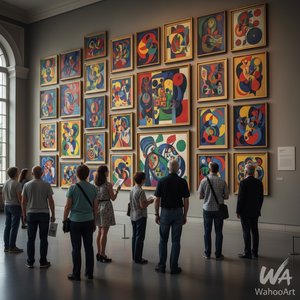
Esplora i 25 capolavori di Wassily Kandinsky, pioniere dell'arte astratta. Scopri la storia, il significato e le tecniche dietro ogni dipinto iconico. Trova riproduzioni d'arte di alta qualità per decorare la tua casa su Most-Famous-Paintings.com.
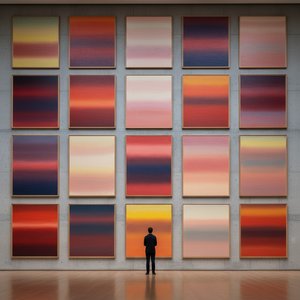
Esplora le 25 opere più iconiche di Mark Rothko, il maestro dell'espressionismo astratto. Scopri la storia, i colori e l'emozione dietro ogni tela. Acquista riproduzioni artistiche di alta qualità per arredare con stile su Most-Famous-Paintings.com

Explore the philosophical and aesthetic foundations of Color Field painting with Most-Famous-Paintings. Discover key artists like Rothko & Newman, its spiritual influences, and lasting impact on modern art. Expert insights for collectors.

Esplora i 10 capolavori che hanno rivoluzionato l'uso del colore nell'arte! Da Van Gogh a Matisse, scopri la storia, le tecniche e il significato di tele iconiche. Trova stampe d'arte e decorazioni di lusso su Most-Famous-Paintings.com.


Rimani aggiornato sulle ultime novità dell'arte, sulle offerte esclusive e sulle idee di decorazione.
Raccontaci del tuo progetto e i nostri esperti d'arte ti proporranno 3 suggerimenti artistici personalizzati.
Lascia che ci pensiamo noi: 3 opzioni su misura per te – Gratis!


 Condividi

 Scopri di più







 L'opzione vetro è disponibile solo per dimensioni inferiori a 110 cm


![Sem Título [untitled] — Paulo Roberto Pasta, Contemporary Art](/media/artworks/images/thumbnails/f5/1e/f51eb5f0cfc94e7c923b1515f06464a7.jpg)
![Sem Título [untitled] — Paulo Roberto Pasta, Contemporary Art](/media/artworks/images/thumbnails/3e/09/3e0936dfa70447eaaf99989755af850a.jpg)


