


x

 OlioOpere da pareteNaïve Art (Primitivism)
 1931Renaissance
 61.0 x 49.0 cm
Stampa giclée o su tela di qualità museale, con produzione rapida e diverse opzioni di finitura. ( Ordina la riproduzione dipinta a mano Acquista download)





























Scegli tra le nostre dimensioni predefinite, che rispettano le proporzioni originali dell'opera d'arte.

È possibile inserire dimensioni personalizzate per adattare l'opera a una cornice o a uno spazio specifico. Se la dimensione selezionata non corrisponde alle proporzioni dell'immagine originale, procederemo al ritaglio dell'opera o all'estensione dell'immagine con un bordo specchiato o a tinta unita. Un mockup digitale ti verrà inviato per approvazione prima dell'inizio della produzione.
Si prega di notare che l'anteprima a schermo non riflette il ritaglio o l'estensione effettivi. Solo il mockup mostrerà accuratamente la composizione finale.
Sebbene siano disponibili dimensioni personalizzate, si raccomanda di selezionare una dimensione dall'elenco predefinito per preservare le proporzioni originali.
Consegna in tutto il mondo () in 2 settimane invece delle normali 4/5 settimane. (22 Agosto)


Mosè e la Pietra che Scaglia
Dimensioni della riproduzione
Marc Chagall's 1931 painting, "Moses and the Striking Rock," isn’t merely a depiction of a biblical moment; it’s an immersive experience—a vibrant, dreamlike journey into the heart of faith, struggle, and the enduring power of hope. Painted in gouache on canvas with a characteristic Naïve Art style, this work transcends its simple subject matter to become a profound meditation on leadership, divine intervention, and the collective yearning for salvation. Measuring 61 x 49 cm, it’s a relatively intimate piece, yet brimming with an expansive emotional resonance that draws the viewer into the scene’s drama.
Chagall, deeply rooted in his Jewish heritage and profoundly influenced by Russian folklore and Symbolism, approached this iconic story not as a literal historical account but as a vehicle for exploring universal themes. His style, firmly within the Naïve Art movement—characterized by bold colors, flattened perspectives, and an emphasis on emotional expression rather than meticulous realism—creates an immediate sense of intimacy and immediacy. The figures are simplified, almost childlike in their presentation, yet imbued with intense feeling. This deliberate departure from academic precision allows Chagall to prioritize the narrative’s core message: the desperate need for water and the miraculous fulfillment of that need through Moses’ unwavering faith.
Understanding Chagall’s style requires a brief exploration of Naïve Art, also known as Primitivism. This movement, flourishing in Europe during the early 20th century, emerged from artists outside the established art academies—individuals who eschewed formal training and instead drew inspiration directly from their own lived experiences and intuitive artistic impulses. Artists like Henri Rousseau and Paul Nash embraced a direct, unmediated approach to representation, often employing bright colors, simplified forms, and symbolic imagery. Chagall’s work is a quintessential example of this style; he deliberately avoids detailed realism, opting instead for a heightened emotionality and a dreamlike quality that reflects the subconscious.
Within Naïve Art, Chagall's distinctive approach blends elements of Surrealism—with its exploration of dreams and the irrational—and Cubism—through his fragmented perspectives. However, it’s his deep connection to Jewish folklore and religious tradition that truly defines his artistic vision. The painting is not simply a retelling of the Exodus story; it’s an evocation of the spiritual journey undertaken by the Israelites, guided by Moses’ leadership and sustained by their unwavering belief in divine providence.
The color palette of “Moses and the Striking Rock” is immediately arresting. Earthy tones—ochres, browns, and muted greens—form the backdrop, creating a sense of timelessness and grounding the scene in the arid landscape of the desert. However, these subdued hues are dramatically contrasted by the vibrant blues and reds used to depict Moses’ staff and the water that miraculously emerges from the rock. This juxtaposition powerfully symbolizes the transformative power of faith—the ability to summon miracles through belief.
Beyond color, the painting is rich in symbolic detail. The large group of people awaiting water represents the collective hope and vulnerability of the Israelites. Moses, positioned at the center, is not depicted as a heroic warrior but as a humble leader, holding his staff with quiet determination. The rock itself becomes a potent symbol—a barrier to be overcome through faith and divine intervention. Even the simplified depiction of the sky suggests a sense of awe and wonder, hinting at the extraordinary nature of the event unfolding before the viewer’s eyes.
Marc Chagall was a prolific artist who left an indelible mark on 20th-century art. His work continues to resonate with audiences worldwide, celebrated for its emotional depth, vibrant colors, and unique blend of symbolism and storytelling. Reproductions of “Moses and the Striking Rock,” meticulously crafted by Most-Famous-Paintings.com, offer a remarkable opportunity to bring this masterpiece into your own home or office. These hand-painted reproductions capture not only the painting’s visual beauty but also its underlying spirit—a testament to faith, resilience, and the enduring power of hope. Explore more of Chagall’s captivating works on Most-Famous-Paintings.com, including “Apothecary in Vitebsk” and “Equestrienne,” to delve deeper into his extraordinary artistic vision.
For those seeking a tangible connection to this iconic artwork, Most-Famous-Paintings.com’s reproductions provide an unparalleled experience—a chance to own a piece of art history that speaks directly to the soul.

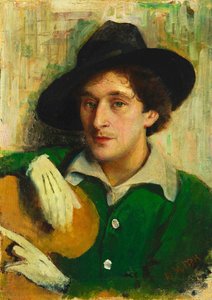
1887 - 1985 , biarussia

Explore the revolutionary world of Naïve Art & Primitivism! Discover how artists challenged academic traditions with raw emotion & unique styles. Learn about Picasso, Rousseau & more at Most-Famous-Paintings.

Discover the profound beauty of Naïve Art. Explore how self-taught masters bypass academic tradition to capture raw emotional truth through vibrant color and soulful simplicity. A cultural journey for the true art lover seeking depth beyond convention.
Ditch the boring decor. Discover why Naive Art's raw, bold, and unfiltered aesthetic is the ultimate trend for modern urban spaces. Learn how to use vibrant colors and unstudied sincerity to create a high-impact, authentic vibe in your home or studio.

Master the opaque power of gouache with our expert guide for hotel designers. Learn professional techniques for layering, texture, and color selection to elevate hospitality interiors through high-impact, water-based art procurement and custom large-scale commissions.

Explore the captivating world of naïve art! Discover its history, characteristics, key artists & collecting tips from Most-Famous-Paintings's experts. Find your perfect piece today.


Rimani aggiornato sulle ultime novità dell'arte, sulle offerte esclusive e sulle idee di decorazione.
Raccontaci del tuo progetto e i nostri esperti d'arte ti proporranno 3 suggerimenti artistici personalizzati.
Lascia che creiamo per te una selezione di 3 opzioni su misura – Gratis!


 Anteprima in scala reale
 Condividi
 Condividi
 Dettagli

 Scarica immagine
 Articoli simili
 Radiografia
 Slideshow
 Leggi tutto







 L'opzione vetro è disponibile solo per dimensioni inferiori a 110 cm


