


x

Acquista un'immagine digitale ad alta risoluzione e ottimizzata, di qualità nettamente superiore all'anteprima online.
Ogni file è meticolosamente preparato dai nostri specialisti interni attraverso l'uso di strumenti avanzati e un sapiente ritocco manuale. Garantiamo che ogni immagine presenti una chiarezza eccezionale, una precisione cromatica impeccabile e dettagli raffinati.
Il file finale viene consegnato via e-mail entro 72 ore, ottimizzato per un uso immediato in contesti professionali, editoriali e di stampa. Si tratta della stessa qualità affidata ai più prestigiosi studi di design, editori e gallerie d'arte.
Scarica un file ad alta risoluzione per uso personale, per la stampa e per progetti creativi. ( Ordina stampa Ordina la riproduzione dipinta a mano)
Quando scegli Most-Famous-Paintings.com, non riceverai solo un'immagine: riceverai un'opera d'arte digitale professionalmente ottimizzata, realizzata con la massima precisione e accompagnata da una garanzia di soddisfazione. Ecco tutto ciò che include il tuo ordine, automaticamente:

Riceverai il file dell'immagine digitale ad alta risoluzione via email entro 72 ore dall'ordine, pronto per un uso immediato.

La tua opera d'arte viene ottimizzata professionalmente attraverso l'uso di strumenti avanzati di intelligenza artificiale e una revisione manuale, garantendo il massimo livello di dettaglio, nitidezza e accuratezza cromatica.

Hai eliminato o perso accidentalmente il tuo file? Non preoccuparti: te lo invieremo di nuovo in qualsiasi momento, gratuitamente.

Goditi la tua opera d'arte istantaneamente senza costi doganali, dazi o spese di spedizione: i download digitali sono sempre esenti da tasse.

Garantiamo che la tua immagine digitale rifletta i colori originali con la massima fedeltà, grazie all'uso di strumenti professionali e a una gestione accurata del colore.

Se non sei soddisfatto della tua immagine digitale, la revisioneremo o ti rimborseremo il 100% entro 60 giorni, senza domande.

Non sei soddisfatto? Ricevi un rimborso completo entro 60 giorni dal ricevimento del tuo file digitale, senza dover fornire spiegazioni.

Acquista 3 immagini, risparmia il 10% - Acquista 5, risparmia il 15% - Acquista 10+, risparmia il 20%. Ideale per progetti creativi, gallerie e agenzie.
Marc Chagall's "The Drunkard," painted in 1914, isn’t merely a depiction of a man lost to intoxication; it’s a profound exploration of vulnerability, societal pressure, and the enduring power of memory. Emerging from his formative years in Vitebsk, Belarus—a city steeped in both Jewish tradition and Russian Orthodox influence—the painting embodies Chagall's signature style: a vibrant collision of dreamlike imagery and stark emotional honesty. The work immediately arrests the viewer with its dramatic simplicity – a near-monochromatic palette dominated by black, white, and shades of grey, punctuated only by subtle tonal shifts that sculpt form and convey mood. This deliberate restriction forces us to focus on the core elements: the slumped figure of the drunkard and the outstretched hand offering support.
The composition itself is a masterclass in controlled imbalance. A forceful diagonal line, created by the supporting figure’s arm, pulls the eye downwards and slightly to the right, mirroring the downward trajectory of the man's head and body. This instability isn’t accidental; it speaks to the precariousness of his situation, both physical and emotional. The geometric background—a network of simplified shapes reminiscent of buildings or urban structures—adds another layer of complexity. These forms aren’t merely decorative; they suggest a confining environment, perhaps representing the societal pressures that contribute to the man's plight, or even the weight of tradition and expectation.
“The Drunkard” firmly situates itself within the burgeoning Expressionist movement, though Chagall’s unique perspective quickly distinguishes it. Like many Expressionists, Chagall prioritized conveying raw emotion over realistic representation. However, he achieves this through a remarkably controlled technique—likely lithography or a similar printmaking process. The bold, thick outlines defining the figures are characteristic of this medium, lending an almost graphic quality to the scene. The flatness of the image, devoid of traditional shading and texture, further emphasizes the work’s emotional intensity. This deliberate simplification allows the viewer to project their own feelings onto the subject, fostering a deeply personal connection with the artwork.
The use of line is particularly significant. It's not used to meticulously render form but rather to delineate edges and create a sense of movement. The lines are dynamic and slightly distorted, contributing to the overall feeling of unease and disorientation. This stylistic choice aligns perfectly with the painting’s thematic concerns – the man’s loss of control and the unsettling nature of his predicament.
Beyond its formal elements, “The Drunkard” is rich in symbolic meaning. The supporting figure, often interpreted as a caregiver or perhaps even a representation of faith, offers assistance but also bears the visible weight of that support. His posture suggests a quiet resignation, hinting at the burden of responsibility and the difficulty of truly helping someone lost to their own demons. The drunkard’s slumped form embodies vulnerability and isolation – he is both physically supported and emotionally distanced from connection. The tilted head and averted gaze further reinforce this sense of detachment.
Considering Chagall's personal history, rooted in the Hasidic Jewish community, it’s not surprising that themes of faith, tradition, and the struggle between individual desire and societal expectations permeate his work. “The Drunkard” can be seen as a meditation on these complex dynamics, offering a poignant glimpse into the human condition.
“The Drunkard,” completed just before World War I, resonates with an enduring power. It’s a work that transcends its specific historical context to speak to universal themes of suffering, compassion, and the search for meaning in a chaotic world. Chagall's masterful use of color, line, and composition creates a visually arresting image that simultaneously evokes empathy and contemplation. Reproductions of this iconic painting continue to captivate audiences today, serving as a potent reminder of our shared humanity and the importance of offering support to those who stumble along life’s difficult path.

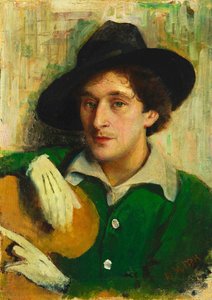
1887 - 1985 , biarussia


Rimani aggiornato sulle ultime novità dell'arte, sulle offerte esclusive e sulle idee di decorazione.
Raccontaci del tuo progetto e i nostri esperti d'arte ti proporranno 3 suggerimenti artistici personalizzati.
Lascia che creiamo per te una selezione di 3 opzioni su misura – Gratis!


 Anteprima in scala reale
 Condividi
 Condividi
 Dettagli

 Scarica immagine
 Articoli simili
 Radiografia
 Slideshow

 Leggi tutto


