x

 Ordina la riproduzione Acquista download
 Invia
Invia
 Dettagli opera
 Aggiungi ai preferiti
 Scarica
 Simili
 Radiografia
 Slideshow
Stampa giclée o su tela di qualità museale, con produzione rapida e diverse opzioni di finitura.





























Scegli tra le nostre dimensioni predefinite, che rispettano le proporzioni originali dell'opera d'arte.

È possibile inserire dimensioni personalizzate per adattare l'opera a una cornice o a uno spazio specifico. Se la dimensione selezionata non corrisponde alle proporzioni dell'immagine originale, procederemo al ritaglio dell'opera o all'estensione dell'immagine con un bordo specchiato o a tinta unita. Un mockup digitale ti verrà inviato per approvazione prima dell'inizio della produzione.
Si prega di notare che l'anteprima a schermo non riflette il ritaglio o l'estensione effettivi. Solo il mockup mostrerà accuratamente la composizione finale.
Sebbene siano disponibili dimensioni personalizzate, si raccomanda di selezionare una dimensione dall'elenco predefinito per preservare le proporzioni originali.
Consegna in tutto il mondo () in 2 settimane invece delle normali 4/5 settimane. (22 Luglio)


Play
Dimensioni riproduzione
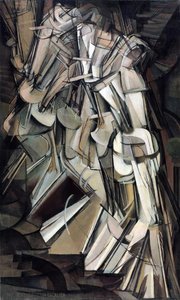
Marcel Duchamp's "Play," painted in 1902, is more than just a depiction of a woman playing tennis; it’s a carefully constructed meditation on the very nature of artistic creation and perception. This seemingly straightforward scene – a female figure poised mid-swing with a tennis racket – immediately reveals itself to be a pivotal work within Duchamp's burgeoning rebellion against traditional artistic conventions. The painting, imbued with a distinctly vintage aesthetic, speaks volumes about the artist’s evolving approach, moving beyond mere representation towards a conceptual engagement with the subject matter.
Created during a period of intense experimentation within the European art world – encompassing Impressionism, Post-Impressionism, and the nascent movements of Cubism – “Play” anticipates Duchamp’s later embrace of Dada and his groundbreaking role as one of the first conceptual artists. Duchamp's decision to paint this scene, rather than meticulously rendering it with traditional techniques, signals a deliberate shift in focus. He isn’t interested in capturing an objective reality; instead, he is exploring the *idea* of tennis, the act of play itself, and the viewer’s interpretation of that action.
Duchamp's technique in “Play” is characterized by a remarkable restraint. The brushstrokes are loose and confident, suggesting a deliberate avoidance of excessive detail. This simplicity isn’t a sign of carelessness; rather, it’s a calculated choice that amplifies the painting’s impact. The muted color palette – predominantly earthy tones with subtle hints of white – contributes to the vintage feel and adds to the overall sense of quiet contemplation. The artist's skill lies not in technical virtuosity but in his ability to distill an idea into its purest form.
Beyond the literal depiction of a tennis game, “Play” carries significant symbolic weight. The act of play itself represents a release from constraint, a moment of unburdened joy and spontaneity – qualities that Duchamp increasingly sought to explore in his work. The woman’s posture suggests both power and vulnerability, inviting viewers to consider the complexities of human experience. It's a scene frozen in time, capturing an ephemeral moment of intense concentration and potential victory.
"Play" stands as a crucial early work by Marcel Duchamp, demonstrating his nascent desire to challenge established artistic norms. Its influence can be seen throughout the 20th century, paving the way for movements like Dada and Surrealism. Today, this painting remains a powerful testament to Duchamp’s revolutionary spirit – a reminder that art can be found not just in what is created, but also in what is questioned.


1887 - 1968 , Francia

Esplora la rivoluzionaria arte di Marcel Duchamp e il suo impatto sull'arte concettuale del XX secolo. Analisi approfondite, storia del Dadaismo, Fluxus e l'eredità di un maestro anticonformista.

Explore the revolutionary Dada art movement! Discover its origins, key artists like Duchamp & Arp, and lasting impact on modern art. A deep dive into anti-art & challenging conventions.

Esplora i 10 dipinti più famosi dominati dal giallo pallido! Da Van Gogh a Monet, scopri la storia e l'arte dietro capolavori impressionisti e post-impressionisti. Trova stampe su tela di alta qualità per decorare casa con Most-Famous-Paintings.com.

Esplora i 25 capolavori di Max Ernst, pioniere del Surrealismo. Scopri la storia, le tecniche e il simbolismo dietro ogni opera iconica. Trova riproduzioni arte su tela di alta qualità per decorare casa con Most-Famous-Paintings.com.

Scopri riproduzioni d'arte dipinte a mano di qualità museale. Artisti esperti, personalizzazione su misura e consulenza gratuita per arredare con stile e investire in bellezza senza tempo. Most-Famous-Paintings: lusso accessibile e autenticità garantita.


Rimani aggiornato sulle ultime novità dell'arte, sulle offerte esclusive e sulle idee di decorazione.
Raccontaci del tuo progetto e i nostri esperti d'arte ti proporranno 3 suggerimenti artistici personalizzati.
Lascia che ci pensiamo noi: 3 opzioni su misura per te – Gratis!


 Condividi


 Scopri di più







 L'opzione vetro è disponibile solo per dimensioni inferiori a 110 cm