x

Stampa giclée o su tela di qualità museale, con produzione rapida e diverse opzioni di finitura. ( Ordina la riproduzione dipinta a mano Acquista download)





























Scegli tra le nostre dimensioni predefinite, che rispettano le proporzioni originali dell'opera d'arte.

È possibile inserire dimensioni personalizzate per adattare l'opera a una cornice o a uno spazio specifico. Se la dimensione selezionata non corrisponde alle proporzioni dell'immagine originale, procederemo al ritaglio dell'opera o all'estensione dell'immagine con un bordo specchiato o a tinta unita. Un mockup digitale ti verrà inviato per approvazione prima dell'inizio della produzione.
Si prega di notare che l'anteprima a schermo non riflette il ritaglio o l'estensione effettivi. Solo il mockup mostrerà accuratamente la composizione finale.
Sebbene siano disponibili dimensioni personalizzate, si raccomanda di selezionare una dimensione dall'elenco predefinito per preservare le proporzioni originali.
Consegna in tutto il mondo () in 2 settimane invece delle normali 4/5 settimane. (20 Agosto)


Conscious landscape
Dimensioni della riproduzione
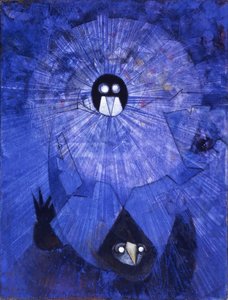
In the heart of a turbulent 1942 New York City, amidst the global shadows of war, Max Ernst birthed a vision that transcended the physical world. Conscious Landscape is not merely a depiction of nature; it is an invitation to wander through the labyrinthine corridors of the human psyche. As one of the most pivotal figures of the Surrealist movement, Ernst utilized this piece to bridge the gap between the tangible earth and the intangible dream. The painting presents a stylized forest where a colossal, imposing rock formation commands the center, acting as an anchor for the surrounding trees that seem to pulse with a life of their their own. Within this enigmatic grove, subtle details emerge—a bird perched silently upon a branch, perhaps a messenger from another realm, and figures that appear to interact with the landscape, blurring the line between observer and participant.
The emotional resonance of the work lies in its ability to evoke an unsettling yet captivating atmosphere. To look upon this canvas is to experience the uncanny—that specific Surrealist sensation where the familiar becomes strange. The composition creates a sense of profound enclosure, as if the viewer has stumbled into a sacred, hidden clearing where the laws of logic no more apply. For the collector or interior designer, this piece offers a sophisticated depth; it is a conversation starter that brings an intellectual and psychological weight to any space, transforming a room into a sanctuary for contemplation and wonder.
Technically, Conscious Landscape serves as a masterclass in the Surrealist pursuit of spontaneity. Ernst was a pioneer of frottage, a method of taking rubbings from textured surfaces to generate organic, unpredictable patterns. By applying this technique to his oil on canvas, he bypassed the constraints of rational control, allowing chance to dictate the textures of the bark and the rugged face of the central stone. This process imbues the landscape with an almost biological vitality, as if the very grain of the painting is breathing. The result is a surface that feels tactile and alive, inviting the eye to trace every mossy crevice and weathered edge.
This rejection of traditional representational accuracy in favor of psychological truth defines the piece's aesthetic power. There is no attempt at photographic realism here; instead, Ernst uses color and texture to convey a state of being. The interplay of light and shadow across the rock formation creates a sense of monumental stability amidst a swirling, dreamlike chaos. For those seeking a high-quality reproduction, capturing these intricate textures is essential, as it is through this tactile complexity that the painting’s true magic is revealed.
Beyond its striking visual elements, the painting is steeped in a rich tapestry of symbolism. The central rock formation stands as a symbol of permanence and stability—a stoic witness to the shifting tides of history and thought. In contrast, the surrounding trees represent growth, resilience, and the cyclical nature of life. This duality reflects Ernst’s own intellectual journey, shaped by the philosophical tensions of Nietzsche and the psychological depths of Freud. The landscape becomes a metaphor for the "conscious" mind attempting to navigate the wild, untamed impulses of the subconscious.
Every element within the frame—from the way the trees enclose the space to the presence of life within the stillness—contributes to a narrative of exploration. It is a piece that rewards repeated viewing, offering new layers of meaning with every encounter. Whether displayed in a modern gallery setting or as a focal point in a curated home collection, Conscious Landscape remains an enduring testament to the power of art to confront reality through the beautiful, haunting lens of the dream.

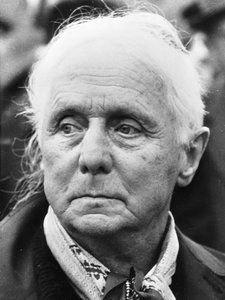
1891 - 1976 , Germania

Explore the revolutionary Barbizon School and its masters, from Corot to Rousseau. Discover how these pioneers of plein air painting redefined landscape art through naturalism. Find museum-quality hand-painted reproductions and expert art insights at Most-Famous-Paintings.com.


Rimani aggiornato sulle ultime novità dell'arte, sulle offerte esclusive e sulle idee di decorazione.
Raccontaci del tuo progetto e i nostri esperti d'arte ti proporranno 3 suggerimenti artistici personalizzati.
Lascia che creiamo per te una selezione di 3 opzioni su misura – Gratis!


 Anteprima in scala reale
 Condividi
 Condividi
 Dettagli

 Scarica immagine
 Articoli simili
 Radiografia
 Slideshow

 Leggi tutto







 L'opzione vetro è disponibile solo per dimensioni inferiori a 110 cm