x


 Ordina la riproduzione Acquista download
 Invia
Invia
 Dettagli opera
 Aggiungi ai preferiti
 Scarica
 Simili
 Radiografia
 Slideshow
 Acrylic On CanvasWallArtSurrealist Movement
 1913Modern
 80.0 x 54.0 cm
Stampa giclée o su tela di qualità museale, con produzione rapida e diverse opzioni di finitura.





























Scegli tra le nostre dimensioni predefinite, che rispettano le proporzioni originali dell'opera d'arte.

È possibile inserire dimensioni personalizzate per adattare l'opera a una cornice o a uno spazio specifico. Se la dimensione selezionata non corrisponde alle proporzioni dell'immagine originale, procederemo al ritaglio dell'opera o all'estensione dell'immagine con un bordo specchiato o a tinta unita. Un mockup digitale ti verrà inviato per approvazione prima dell'inizio della produzione.
Si prega di notare che l'anteprima a schermo non riflette il ritaglio o l'estensione effettivi. Solo il mockup mostrerà accuratamente la composizione finale.
Sebbene siano disponibili dimensioni personalizzate, si raccomanda di selezionare una dimensione dall'elenco predefinito per preservare le proporzioni originali.
Consegna in tutto il mondo () in 2 settimane invece delle normali 4/5 settimane. (22 Luglio)


Immortality
Dimensioni riproduzione
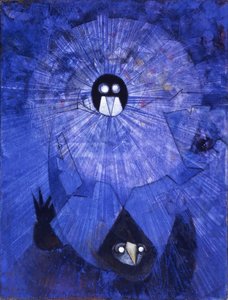
Max Ernst’s “Immortality,” painted in 1913, is not merely a depiction of a scene; it’s an invitation to contemplate the precarious nature of existence and the unsettling allure of oblivion. This surrealist masterpiece, rendered at a compact 80 x 54 cm, immediately commands attention with its stark composition – a group of figures perched precariously on a cliff edge, gazing down upon a miniature town below. The painting’s power resides in its ambiguity; it refuses easy interpretation, prompting the viewer to confront questions about mortality, memory, and the human condition.
Born in Brühl, Germany, in 1891, Max Ernst was a pivotal figure at the genesis of surrealist art. His formative years were marked by an intense intellectual curiosity, fueled by studies in philosophy, psychology, and literature – disciplines that profoundly shaped his artistic approach. Unlike many of his contemporaries who sought to replicate reality, Ernst deliberately distorted it, employing techniques like frottage (rubbing textures) and decalcomania (spreading paint on a surface) to tap into the subconscious mind. “Immortality” exemplifies this process; the seemingly random arrangement of figures and objects suggests an intuitive exploration rather than a calculated design.
Ernst’s masterful use of color—muted earth tones punctuated by flashes of grey and blue—contributes to the painting's melancholic mood. The brushwork is loose and expressive, conveying a sense of movement and unease. The overall effect is one of profound psychological depth, inviting viewers to engage with their own anxieties about mortality and the search for meaning in a chaotic world. “Immortality” remains a powerfully evocative work, demonstrating Ernst’s ability to translate complex philosophical ideas into a visually arresting and emotionally resonant image. This hand-painted reproduction captures not just the visual elements of the original but also its inherent sense of mystery and timeless contemplation.


1891 - 1976 , Germania
Esplora i 25 capolavori di Max Ernst, pioniere del Surrealismo. Scopri la storia, le tecniche e il simbolismo dietro ogni opera iconica. Trova riproduzioni arte su tela di alta qualità per decorare casa con Most-Famous-Paintings.com.

Esplora i 25 capolavori del Metropolitan Museum di New York! Scopri la storia, gli artisti (Van Gogh, Monet, Rembrandt) e le emozioni dietro dipinti iconici. Trova riproduzioni artistiche di alta qualità per decorare casa con stile su Most-Famous-Paintings.com.

Esplora i 25 capolavori del MoMA di New York: Van Gogh, Picasso, Warhol e altri maestri. Scopri la storia, le tecniche e l'emozione dietro ogni opera d'arte. Trova riproduzioni di alta qualità per decorare casa tua su Most-Famous-Paintings.com!

Esplora i 25 capolavori di Dante Gabriel Rossetti, pittore preraffaellita simbolo del romanticismo vittoriano. Scopri storie, tecniche e colori unici delle sue opere più famose. Trova riproduzioni d'arte di alta qualità per la tua casa su Most-Famous-Paintings.com

Esplora i 25 capolavori di Georges Braque, pioniere del Cubismo. Scopri la storia, le tecniche e l'impatto di opere iconiche come 'The Patience'. Trova riproduzioni d'arte di alta qualità per decorare casa tua su Most-Famous-Paintings.com.


Rimani aggiornato sulle ultime novità dell'arte, sulle offerte esclusive e sulle idee di decorazione.
Raccontaci del tuo progetto e i nostri esperti d'arte ti proporranno 3 suggerimenti artistici personalizzati.
Lascia che ci pensiamo noi: 3 opzioni su misura per te – Gratis!


 Condividi

 Scopri di più







 L'opzione vetro è disponibile solo per dimensioni inferiori a 110 cm