x

Stampa giclée o su tela di qualità museale, con produzione rapida e diverse opzioni di finitura. ( Ordina la riproduzione dipinta a mano Acquista download)





























Scegli tra le nostre dimensioni predefinite, che rispettano le proporzioni originali dell'opera d'arte.

È possibile inserire dimensioni personalizzate per adattare l'opera a una cornice o a uno spazio specifico. Se la dimensione selezionata non corrisponde alle proporzioni dell'immagine originale, procederemo al ritaglio dell'opera o all'estensione dell'immagine con un bordo specchiato o a tinta unita. Un mockup digitale ti verrà inviato per approvazione prima dell'inizio della produzione.
Si prega di notare che l'anteprima a schermo non riflette il ritaglio o l'estensione effettivi. Solo il mockup mostrerà accuratamente la composizione finale.
Sebbene siano disponibili dimensioni personalizzate, si raccomanda di selezionare una dimensione dall'elenco predefinito per preservare le proporzioni originali.
Consegna in tutto il mondo () in 2 settimane invece delle normali 4/5 settimane. (18 Agosto)


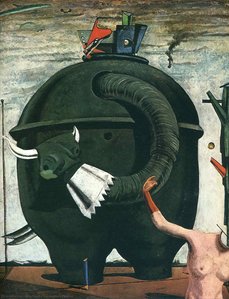
L'Amour objectif
Dimensioni della riproduzione
In the quiet, unsettling corridors of the subconscious, where logic dissolves and the boundaries of reality blur, resides the hauntingly beautiful world of Max Ernst. His 1927 masterpiece, L'Amour Objectif, serves as a profound gateway into the Surrealist movement—a period defined by the intellectual tremors of post-World War I Europe. This is not merely a painting to be viewed; it is an experience to be felt. As one gazes upon the canvas, they are invited into a meticulously crafted meditation on desire and perception, where every element serves as a cryptic clue to the hidden depths of the human psyche.
The composition is a masterclass in surrealist tension, presenting a tableau that feels both strangely familiar and deeply alien. At the heart of this dreamscape stands a bird, a recurring and enigmatic motif in Ernst’s vast oeuvre, its long beak poised as if caught in a moment of silent contemplation. Yet, the bird does not exist in isolation. It is surrounded by a constellation of disconnected objects: a boat drifting through an unseen current, a solitary chair, and a clock perched near the upper right corner. This deliberate juxtaposition of unrelated items creates a sense of "objective chance," a concept where the random meeting of objects sparks a new, poetic meaning that bypasses rational thought.
To touch the surface of L'Amour Objectif—even through a high-quality reproduction—is to encounter a landscape of profound tactile richness. Ernst was a pioneer of automatism, a technique designed to bypass the conscious mind and allow the unconscious to dictate the brushstroke. In this work, he achieves a breathtakingly complex texture by employing a collage-like method, layering the canvas with sand and burlap over a foundation of gesso. This creates an atmospheric depth that mimics the gritty, fragmented nature of memory itself.
The artist’s meticulous brushwork lends a sense of hyper-reality to these dreamlike forms, making the impossible feel tangibly present. For the discerning collector or interior designer, this textural complexity offers an unparalleled visual weight. The interplay of light and shadow across the textured surfaces provides a dynamic quality that changes with the ambient lighting of a room, ensuring that the artwork remains a living, breathing presence within any curated space.
Deeply embedded within the layers of this painting is the profound influence of Sigmund Freud’s psychoanalytic theories. Ernst, having studied psychology and psychiatry, utilized the canvas to explore the repressed anxieties and hidden impulses that define our existence. The clock, positioned prominently, acts as a symbol of time as an illusion—a reminder of the fleeting nature of consciousness and the persistent presence of temporal anxiety. Even the placement of the two bottles in the upper left corner suggests a fragmented reality, where even the most mundane objects are imbued with psychological significance.
For those seeking to bring a piece of art history into their homes, L'Amour Objectif offers more than just aesthetic beauty; it offers intellectual depth. It is a conversation piece that challenges the viewer to look beyond the surface and confront the mysteries of their own mind. Whether gracing a modern gallery wall or serving as a focal point in a sophisticated study, this reproduction captures the enduring spirit of Surrealism—a movement that continues to inspire awe, curiosity, and a profound emotional resonance in all who encounter it.

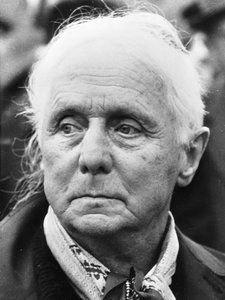
1891 - 1976 , Germania
Esplora i 25 capolavori di Max Ernst, pioniere del Surrealismo. Scopri la storia, le tecniche e il simbolismo dietro ogni opera iconica. Trova riproduzioni arte su tela di alta qualità per decorare casa con Most-Famous-Paintings.com.

Esplora i 10 capolavori bronzei che hanno segnato la storia dell'arte! Da Rodin a Michelangelo, scopri le storie e le tecniche dietro queste sculture iconiche. Trova riproduzioni d'arte di alta qualità per decorare la tua casa con Most-Famous-Paintings.com.

Esplora i 10 capolavori in bronzo che hanno segnato la storia dell'arte! Da Michelangelo a Rodin, scopri le storie e le tecniche dietro queste statue iconiche. Trova riproduzioni artistiche di alta qualità per decorare casa tua con Most-Famous-Paintings.com.
Esplora i 10 capolavori del paesaggio artistico! Da Monet a Van Gogh, scopri la storia e le tecniche dietro quadri iconici. Trova stampe su tela di alta qualità per decorare casa con arte e stile. Scopri tutte le opere su Most-Famous-Paintings.com

Explore the rich history of sculpture from ancient masterpieces to contemporary innovations. Discover key techniques, influential artists & investment potential for discerning art collectors.


Rimani aggiornato sulle ultime novità dell'arte, sulle offerte esclusive e sulle idee di decorazione.
Raccontaci del tuo progetto e i nostri esperti d'arte ti proporranno 3 suggerimenti artistici personalizzati.
Lascia che creiamo per te una selezione di 3 opzioni su misura – Gratis!


 Anteprima in scala reale
 Condividi
 Condividi
 Dettagli

 Scarica immagine
 Articoli simili
 Radiografia
 Slideshow

 Leggi tutto







 L'opzione vetro è disponibile solo per dimensioni inferiori a 110 cm