


x

Olio su tela dipinto a mano nelle tue dimensioni e con la tua cornice, realizzato su ordinazione dai nostri artisti. ( Acquista stampa Acquista immagine)





























Scegli tra le nostre dimensioni predefinite, che rispettano le proporzioni originali dell'opera d'arte.

È possibile inserire dimensioni personalizzate per adattare l'opera a una cornice o a uno spazio specifico. Se la dimensione selezionata non corrisponde alle proporzioni dell'immagine originale, provvederemo a ritagliare l'opera o a estendere il dipinto con elementi aggiuntivi dipinti a mano. Un mockup digitale ti sarà inviato per approvazione prima dell'inizio della produzione.
Si prega di notare che l'anteprima a schermo non riflette il ritaglio o l'estensione effettivi. Solo il mockup mostrerà accuratamente la composizione finale.
Sebbene siano disponibili dimensioni personalizzate, consigliamo di selezionare una dimensione dall'elenco predefinito per preservare le proporzioni originali.
Consegna in tutto il mondo () in 3/4 settimane anziché nelle normali 5 settimane. (23 Agosto). Nessun compromesso sulla qualità.


Landscape with Wheatgerm
Dimensioni riproduzione
In the vast, labyrinthine corridors of Surrealism, few works capture the unsettling beauty of the subconscious quite like Max Ernst’s Landscape with Wheatgerm. Created in 1936, this oil on canvas masterpiece serves as a profound window into the human psyche, where the boundaries between the rational world and the dream state dissolve into a singular, haunting vision. To gaze upon this landscape is to abandon the safety of logic and surrender to an imagery that is simultaneously mesmerizing and deeply disquieting. Ernst does not merely depict a scene; he engineers a psychological experience, inviting the viewer to navigate a terrain where the familiar becomes strange and the inanimate breathes with a life of its almost spectral intensity.
The painting’s origins are rooted in the rebellious spirit of the Dada movement, a period of profound disillusionment following the devastation of World War I. Having embraced the Dadaist rejection of reason and tradition, Ernst transitioned into Surrealism by seeking to liberate art from the constraints of representation. In Landscape with Wheatgerm, we see this evolution perfected. The composition is a deliberate disruption of the pastoral ideal, replacing the comfort of a recognizable horizon with a desolate, muted landscape that feels as though it has been excavated directly from a fever dream.
Every element within Ernst’s composition is laden with a heavy, symbolic significance that demands contemplation. The artist employs a disconcerting blend of organic and inorganic forms—a technique that creates a sense of profound ontological instability. We encounter dogs positioned with a primal vulnerability, alongside seemingly random objects such as chairs, bottles, and vases scattered across the terrain. These disparate components coalesce into an evocative scene that transcends literal depiction. The presence of the bird, perched amidst the ruggedness, introduces a note of fragile aspiration, yet it remains framed against an oppressive, mountainous backdrop that suggests the weight of existence.
At the very heart of this visual narrative lies the wheatgerm itself—a potent symbol of embryonic potential, rebirth, and the promise of future harvests. Yet, Ernst masterfully complicates this optimism by juxtaposing it with elements of decay and uncertainty. This tension between fertility and fragility is what gives the work its enduring emotional resonance. For the collector or the observer, the painting offers a complex dialogue between growth and dissolution, making it a piece that does not merely sit upon a wall but actively engages the intellect and stirs the soul.
For the interior designer or art enthusiast, the technical brilliance of Landscape with Wheatgerm offers unparalleled opportunities for visual storytelling. Ernst was a pioneer of revolutionary techniques, including frottage (rubbing) and grattage (scraping), which he used to bypass the conscious mind and tap into the irrational. In this work, his masterful use of mixed media—combining traditional oil paints with elements reminiscent of collage—creates a textured surface that feels tactile and sculptural. The way light and shadow dance across the layered botanical fragments and rocky outcrops provides a rich, multidimensional quality.
This intricate layering of memory and matter allows the painting to possess a commanding presence in any sophisticated space. Whether anchored in a minimalist gallery setting or serving as a profound focal point in a curated residential collection, the artwork’s muted tones and complex textures provide a sense of depth that pulls the viewer into its enigmatic world. Owning a high-quality reproduction of such a cornerstone of Surrealism is more than an acquisition of decor; it is an invitation to inhabit a landscape of infinite imagination.

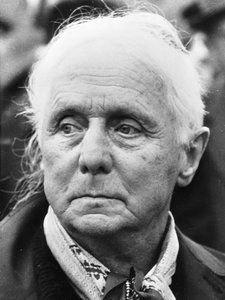
1891 - 1976 , Germania

Explore the profound history of landscape masterpieces. From the Barbizon School to Monet's Impressionism, discover how timeless natural scenes bring serenity and prestige to your collection through museum-quality, hand-painted oil reproductions.


Rimani aggiornato sulle ultime novità dell'arte, sulle offerte esclusive e sulle idee di decorazione.
Raccontaci del tuo progetto e i nostri esperti d'arte ti proporranno 3 suggerimenti artistici personalizzati.
Lascia che creiamo per te una selezione di 3 opzioni su misura – Gratis!


 Anteprima in scala reale
 Invia
Invia Condividi
 Dettagli opera

 Scarica immagine
 Simili
 Radiografia
 Slideshow

 Espandi i dettagli







 L'opzione vetro è disponibile solo per dimensioni inferiori a 110 cm


