x
Olio su tela dipinto a mano nelle tue dimensioni e con la tua cornice, realizzato su ordinazione dai nostri artisti. ( Ordina stampa Acquista download)





























Scegli tra le nostre dimensioni predefinite, che rispettano le proporzioni originali dell'opera d'arte.

È possibile inserire dimensioni personalizzate per adattare l'opera a una cornice o a uno spazio specifico. Se la dimensione selezionata non corrisponde alle proporzioni dell'immagine originale, provvederemo a ritagliare l'opera o a estendere il dipinto con elementi aggiuntivi dipinti a mano. Un mockup digitale ti sarà inviato per approvazione prima dell'inizio della produzione.
Si prega di notare che l'anteprima a schermo non riflette il ritaglio o l'estensione effettivi. Solo il mockup mostrerà accuratamente la composizione finale.
Sebbene siano disponibili dimensioni personalizzate, consigliamo di selezionare una dimensione dall'elenco predefinito per preservare le proporzioni originali.
Consegna in tutto il mondo () in 3/4 settimane anziché nelle normali 5 settimane. (16 Agosto). Nessun compromesso sulla qualità.


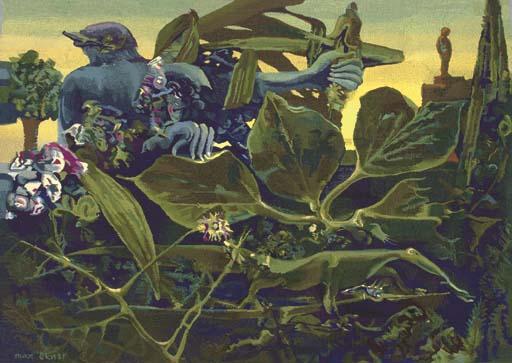
Nature at Dawn
Dimensioni della riproduzione
Max Ernst’s “Nature at Dawn,” painted in 1924, stands as an arresting emblem of the Surrealist movement—a visual manifesto born from a profound questioning of rationality and fueled by dreams and subconscious impulses. More than just a depiction of a landscape bathed in nascent sunlight, it's a meticulously crafted allegory that delves into themes of power, vulnerability, and the interconnectedness of humanity and nature.
Ernst’s artistic approach was characterized by an embrace of chance—a deliberate rejection of traditional compositional rules in favor of spontaneous experimentation. He achieved this through a masterful technique of collage, meticulously assembling fragments of printed matter – newspapers, maps, botanical illustrations – onto canvas. These disparate elements weren't merely glued together; they were interwoven with meticulous care, creating textures and patterns that defied linear perspective.
“Nature at Dawn” emerged from the turbulent aftermath of Dada—the nihilistic anti-art movement that challenged bourgeois values. Dada artists deliberately undermined logic and reason, seeking to expose the absurdity of societal conventions. Ernst swiftly transitioned into Surrealism, championed by André Breton, who sought to liberate creativity from conscious control. This artistic lineage reflects a broader intellectual preoccupation with psychoanalysis, particularly Sigmund Freud’s theories on dreams and unconscious desire.
The painting’s symbolism is layered and evocative. At its core is a solitary man perched atop a monumental statue—a figure embodying both strength and confinement. The statue itself represents authority and tradition, while the man’s posture conveys vulnerability beneath the weight of expectation. Above him floats a bird, symbolizing freedom and transcendence – an aspirational element juxtaposed against the static grandeur below. Furthermore, the inclusion of plants sprouting from his back speaks to themes of regeneration and the merging of human and natural realms.
"Nature at Dawn" isn't merely aesthetically pleasing; it compels viewers to confront unsettling questions about identity and perception. The surreal juxtaposition of elements generates a palpable tension—a feeling that something fundamental is shifting beneath the surface. Ultimately, Ernst’s masterpiece invites contemplation on the transformative power of dreams and the enduring allure of exploring the hidden depths of consciousness. It remains an unforgettable testament to Surrealism's ambition to capture the elusive essence of human experience.

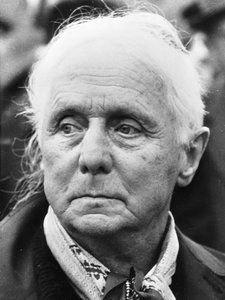
1891 - 1976 , Germania

Explore the profound history of sculpture, from classical realism to modern abstraction. Discover the mastery of form, texture, and medium through an expert art-historical lens designed for discerning collectors and enthusiasts.


Rimani aggiornato sulle ultime novità dell'arte, sulle offerte esclusive e sulle idee di decorazione.
Raccontaci del tuo progetto e i nostri esperti d'arte ti proporranno 3 suggerimenti artistici personalizzati.
Lascia che creiamo per te una selezione di 3 opzioni su misura – Gratis!


 Anteprima in scala reale
 Condividi
 Condividi
 Dettagli

 Scarica immagine
 Articoli simili
 Radiografia
 Slideshow
 Leggi tutto







 L'opzione vetro è disponibile solo per dimensioni inferiori a 110 cm