x

Stampa giclée o su tela di qualità museale, con produzione rapida e diverse opzioni di finitura. ( Ordina la riproduzione dipinta a mano Acquista download)





























Scegli tra le nostre dimensioni predefinite, che rispettano le proporzioni originali dell'opera d'arte.

È possibile inserire dimensioni personalizzate per adattare l'opera a una cornice o a uno spazio specifico. Se la dimensione selezionata non corrisponde alle proporzioni dell'immagine originale, procederemo al ritaglio dell'opera o all'estensione dell'immagine con un bordo specchiato o a tinta unita. Un mockup digitale ti verrà inviato per approvazione prima dell'inizio della produzione.
Si prega di notare che l'anteprima a schermo non riflette il ritaglio o l'estensione effettivi. Solo il mockup mostrerà accuratamente la composizione finale.
Sebbene siano disponibili dimensioni personalizzate, si raccomanda di selezionare una dimensione dall'elenco predefinito per preservare le proporzioni originali.
Consegna in tutto il mondo () in 2 settimane invece delle normali 4/5 settimane. (14 Agosto)


The hat makes the man
Dimensioni della riproduzione
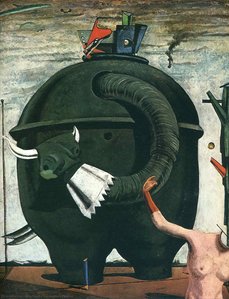
Max Ernst’s “The Hat Makes the Man,” completed in 1920, isn't merely a depiction of hats; it’s an invitation into the labyrinthine corridors of the subconscious. Created during the fervent crucible of Surrealism—a movement determined to liberate art from rational constraints—this gouache and ink on cut-and-pasted printed paper embodies Ernst’s signature approach: unsettling juxtapositions, textural experimentation, and a deliberate blurring of reality and fantasy.
Beyond its striking visual impact, “The Hat Makes the Man” overflows with symbolic significance. The hat itself—a commonplace object transformed into a monumental presence—represents identity, social status, and perhaps even protection from an unseen threat. Ernst’s masterful use of color – muted browns and greys punctuated by flashes of crimson – reinforces this sense of unease and invites contemplation about the masks we wear in everyday life.
Ernst’s innovative grattage technique wasn’t simply a stylistic flourish; it was a deliberate effort to capture the elusive essence of the unconscious mind. By stripping away layers of paint, he unearthed hidden textures and forms that spoke directly to the viewer's emotions—a testament to his belief in art as a conduit for psychological exploration.
To appreciate the breadth of Surrealist art and Ernst’s contribution to its canon, explore resources like Most-Famous-Paintings.com for insightful articles on Ernst's life and work. Alternatively, immerse yourself in the artistic landscape at institutions such as The Centre Pompidou (https://www.moma.org/collection/works/35478) and The Columbus Museum of Art ( /en/art/max-ernst-the-song-of-the-flesh-9GG5ZV-en/).

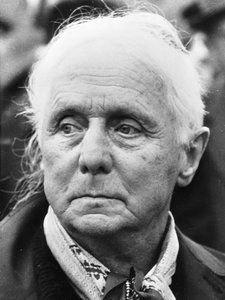
1891 - 1976 , Germania

Explore the profound depths of Surrealism. From Dalí’s dreamscapes to Magritte’s enigmas, master the history of the subconscious mind through our expert art guide and discover museum-quality oil reproductions of the world's most iconic surrealist masterpieces.

Explore the profound evolution of digital collage, where art history meets modern technology. Discover how contemporary masters merge classical techniques with digital innovation to create breathtaking new masterpieces for the modern collector.


Rimani aggiornato sulle ultime novità dell'arte, sulle offerte esclusive e sulle idee di decorazione.
Raccontaci del tuo progetto e i nostri esperti d'arte ti proporranno 3 suggerimenti artistici personalizzati.
Lascia che creiamo per te una selezione di 3 opzioni su misura – Gratis!


 Anteprima in scala reale
 Condividi
 Condividi
 Dettagli

 Scarica immagine
 Articoli simili
 Radiografia
 Slideshow

 Leggi tutto







 L'opzione vetro è disponibile solo per dimensioni inferiori a 110 cm