x

Stampa giclée o su tela di qualità museale, con produzione rapida e diverse opzioni di finitura. ( Ordina la riproduzione dipinta a mano Acquista download)





























Scegli tra le nostre dimensioni predefinite, che rispettano le proporzioni originali dell'opera d'arte.

È possibile inserire dimensioni personalizzate per adattare l'opera a una cornice o a uno spazio specifico. Se la dimensione selezionata non corrisponde alle proporzioni dell'immagine originale, procederemo al ritaglio dell'opera o all'estensione dell'immagine con un bordo specchiato o a tinta unita. Un mockup digitale ti verrà inviato per approvazione prima dell'inizio della produzione.
Si prega di notare che l'anteprima a schermo non riflette il ritaglio o l'estensione effettivi. Solo il mockup mostrerà accuratamente la composizione finale.
Sebbene siano disponibili dimensioni personalizzate, si raccomanda di selezionare una dimensione dall'elenco predefinito per preservare le proporzioni originali.
Consegna in tutto il mondo () in 2 settimane invece delle normali 4/5 settimane. (14 Agosto)


untitled (3054)
Dimensioni della riproduzione
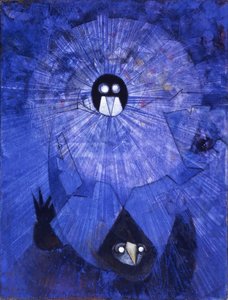
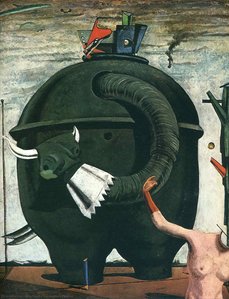
Max Ernst’s “Untitled (3054)” presents a disconcerting yet undeniably captivating tableau – a crimson object imbued with a human-like face, adrift within a carefully constructed landscape of modern anxieties. Painted by the German surrealist master in an unknown date, this work immediately draws the viewer into a realm where familiar objects are rendered alien and unsettling, reflecting Ernst’s lifelong fascination with the subconscious and his rejection of rationalism.
Max Ernst’s artistic trajectory was profoundly shaped by his intellectual pursuits and his engagement with the burgeoning surrealist movement. Born in Brühl, Germany, in 1891, Ernst initially studied philosophy, art history, literature, psychology, and psychiatry at the University of Bonn – a curriculum that fueled his exploration of dreams, myths, and the irrational. This academic grounding is evident in “Untitled (3054),” where recognizable objects are juxtaposed to create a deliberately illogical scene, echoing the techniques pioneered by André Breton and other surrealist thinkers.
Ernst’s methods were as innovative as his subject matter. He employed techniques such as frottage (rubbing textures onto paper) and decalcomania (spreading paint on a surface and then lifting it to create random patterns), allowing chance and the subconscious to guide his creative process. These approaches, combined with his intellectual rigor, resulted in works that are both meticulously crafted and profoundly unsettling.
The inclusion of cell phones within this painting is particularly significant when viewed through the lens of Ernst’s era. Created before the ubiquity of mobile technology, they represent a nascent intrusion of the external world into the private sphere – a theme that would become increasingly relevant in subsequent decades. The book, often associated with wisdom and enlightenment, here appears almost burdened by its own weight, suggesting the potential for knowledge to be overwhelming or misleading.
"Untitled (3054)" is more than just a surrealist image; it's a meditation on the human condition, exploring themes of identity, communication, and the anxieties inherent in modern life. Max Ernst’s ability to tap into these universal concerns through his unique artistic vision ensures that this work continues to resonate with viewers today. A hand-painted reproduction offers an unparalleled opportunity to experience the full impact of this enigmatic masterpiece – a testament to Ernst's enduring legacy as one of the 20th century’s most influential artists.

1891 - 1976 , Germania

Esplora i 10 capolavori dell'Espressionismo Surrealista con Most-Famous-Paintings.com! Scopri Salvador Dalí, Magritte e altri maestri: storia, tecnica e significato di opere iconiche per decorazioni uniche. Esplora la collezione online.
Esplora le 25 opere iconiche di Kazimir Malevich, pioniere del suprematismo e dell'arte astratta. Scopri la storia dietro 'Black Square', 'Bianco su bianco' e altre creazioni rivoluzionarie. Trova riproduzioni d'arte di alta qualità per decorare la tua casa su Most-Famous-Paintings.com.
Esplora i 25 capolavori di Max Ernst, pioniere del Surrealismo. Scopri la storia, le tecniche e il simbolismo dietro ogni opera iconica. Trova riproduzioni arte su tela di alta qualità per decorare casa con Most-Famous-Paintings.com.
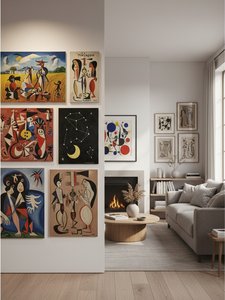
Esplora i 25 capolavori di Joan Miró, pittore surrealista catalano. Scopri la storia, il simbolismo e le tecniche dietro opere iconiche come 'La Fattoria'. Stampe d'arte e riproduzioni su Most-Famous-Paintings.com per arredare con stile.

Explore the captivating world of Surrealism with Most-Famous-Paintings. Discover its origins, key artists like Dalí & Ernst, and enduring influence on art history. High-quality reproductions available.


Rimani aggiornato sulle ultime novità dell'arte, sulle offerte esclusive e sulle idee di decorazione.
Raccontaci del tuo progetto e i nostri esperti d'arte ti proporranno 3 suggerimenti artistici personalizzati.
Lascia che creiamo per te una selezione di 3 opzioni su misura – Gratis!


 Anteprima in scala reale
 Condividi
 Condividi
 Dettagli

 Scarica immagine
 Articoli simili
 Radiografia
 Slideshow
 Leggi tutto







 L'opzione vetro è disponibile solo per dimensioni inferiori a 110 cm